
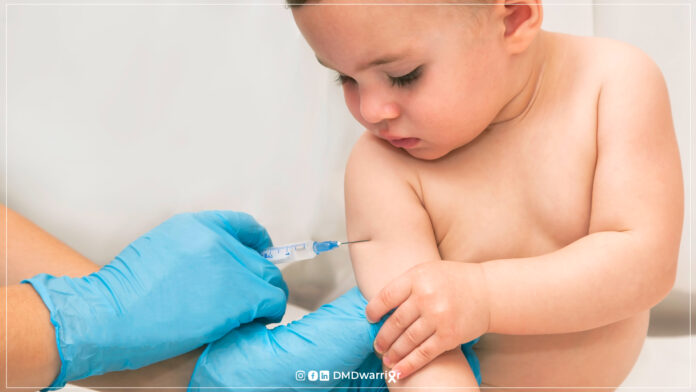
Vaccinations in Duchenne muscular dystrophy (DMD) play a crucial role in protecting patients from preventable infections that can lead to severe complications. Duchenne muscular dystrophy is a progressive genetic disorder characterized by muscle degeneration affecting skeletal, respiratory, and cardiac muscles. Because respiratory muscles gradually weaken in DMD, infections such as influenza, pneumonia, and COVID-19 can become life-threatening much more quickly than in the general population.
Maintaining an up-to-date vaccination schedule for Duchenne muscular dystrophy helps reduce the risk of serious infections, hospitalizations, and respiratory complications. Many individuals with Duchenne also receive long-term corticosteroid therapy, which can influence how certain vaccines—especially live vaccines—should be administered.
In this guide, we explain which vaccines Duchenne patients should get, why they are important, and what families should know about vaccination safety when corticosteroid therapy is involved.

Table of Contents
Why Vaccines Are Important for Duchenne Patients
Children and adults living with Duchenne muscular dystrophy are particularly vulnerable to complications from respiratory infections. Progressive weakening of the diaphragm and other breathing muscles makes it more difficult for the body to clear mucus and fight infections. Discover More: Maintaining for Lung Muscles in Duchenne
When individuals with Duchenne develop respiratory illnesses, they may experience:
- Severe upper respiratory symptoms
- Difficulty clearing airway secretions
- Reduced oxygen levels
- Secondary bacterial infections
- Increased risk of pneumonia and hospitalization
Vaccination helps prevent these infections before they occur. Even when vaccines do not completely prevent illness, they often reduce disease severity, shorten recovery time, and lower the risk of complications. Learn More: Infection in Duchenne
For these reasons, major health organizations including the Centers for Disease Control and Prevention (CDC), the American Academy of Pediatrics (AAP), and neuromuscular specialists strongly recommend that people with Duchenne remain fully vaccinated according to routine immunization schedules.
Family members and caregivers should also stay vaccinated to create a protective environment (herd protection) around the patient.
Understanding Vaccine Types
Vaccines stimulate the immune system to recognize harmful pathogens and respond quickly when exposed. Two main types of vaccines are commonly used.
Inactivated (Non-Live) Vaccines
Inactivated vaccines contain a killed version of a virus or bacteria or only parts of the pathogen. These vaccines cannot cause the disease they protect against.
Common types include:
- Subunit vaccines – contain pieces of a pathogen
- Conjugate vaccines – combine pathogen components with proteins to improve immune response
- Toxoid vaccines – use inactivated toxins
For individuals with Duchenne muscular dystrophy, inactivated vaccines are safe, including for patients taking daily corticosteroids.
Examples include:
- Influenza shot
- Pneumococcal vaccines
- Tdap (adult tetanus, diptheria, pertussis vaccine)
- Hepatitis B
- HPV
- Inactivated polio vaccine
Live-Attenuated Vaccines
Live-attenuated vaccines contain weakened versions of viruses or bacteria. These vaccines usually produce strong, long-lasting immunity.
However, in people with weakened immune systems—including some individuals taking high-dose steroids—live vaccines may pose risks.
Examples of live vaccines include:
- MMR (Measles, Mumps, Rubella)
- Varicella (Chickenpox)
- Nasal spray influenza vaccine (Should be avoided by people with Duchenne or Becker, regardless of their steroid use.)
For Duchenne patients, live vaccines require careful consideration, especially when steroid therapy is involved.
Live Vaccines and Steroid Therapy Considerations
Long-term corticosteroid therapy is commonly used in Duchenne muscular dystrophy to slow muscle degeneration and preserve function. However, steroids can suppress the immune system.
Because of this, live-attenuated vaccines may need to be avoided or delayed depending on steroid dose.
Guidance from the CDC indicates:
Low-Dose Steroids
Patients receiving less than:
- <2 mg/kg/day prednisone, or
- <2.4 mg/kg/day deflazacort (Emflaza)
are generally not considered immunosuppressed, and live vaccines may be given if necessary. But first and foremost, always consult your doctor.
High-Dose Steroids
Patients receiving:
- ≥2 mg/kg/day prednisone, or
- ≥2.4 mg/kg/day deflazacort
may be considered immunosuppressed and should usually avoid live vaccines.
Read More: Contraindications and Precautions
Adults and Older Children
Individuals taking:
- ≥20 mg/day prednisone, or
- ≥24 mg/day deflazacort
should generally avoid live vaccines unless steroid doses are reduced temporarily.
If a live vaccine is necessary, physicians may recommend lowering steroid doses for one month before and one month after vaccination.
Intermittent Steroid Dosing
Patients receiving intermittent steroid therapy (such as weekend dosing or alternate-day regimens) are usually not considered immunosuppressed, meaning live vaccines may be administered if needed.
Vamorolone (Agamree)
Because the immunosuppressive effects of vamorolone are still being studied, families should consult neuromuscular specialists before administering live vaccines.
Recommended Vaccinations for Children with DMD
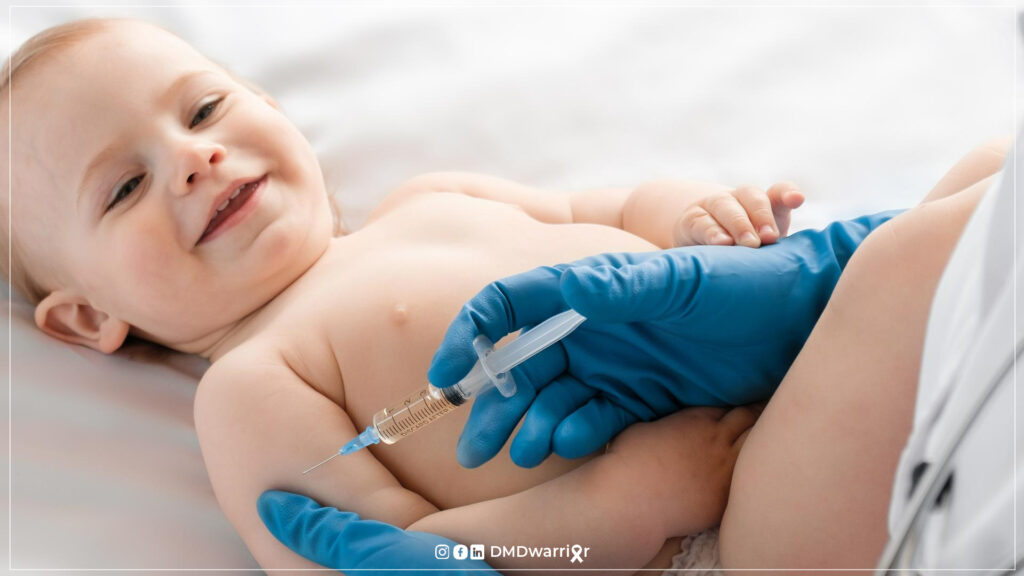
Maintaining the recommended vaccination schedule helps protect individuals with Duchenne from serious infections.
Below are the most important vaccines recommended for Duchenne patients.
Influenza and Pneumococcal Vaccines
Influenza Vaccine
The annual influenza vaccine is one of the most important immunizations for individuals with Duchenne muscular dystrophy.
Influenza infection can cause severe respiratory complications due to weakened breathing muscles.
Key Recommendations
- All Duchenne patients should receive yearly influenza vaccination.
- The injectable flu shot is recommended because it is inactivated.
- The nasal spray vaccine should be avoided, as it is a live-attenuated vaccine.
Even when the flu vaccine does not fully prevent infection, it often reduces disease severity and the risk of hospitalization.
Family members should also receive annual flu vaccinations to protect the individual with Duchenne.
Pneumococcal Vaccines
Pneumococcal bacteria can cause serious infections such as:
- Pneumonia
- Bloodstream infections
- Meningitis
Because Duchenne patients are more susceptible to respiratory complications, pneumococcal vaccination is strongly recommended.
Learn More: Pneumococcal Vaccine Recommendations
Current recommendations may include:
- PCV13 or PCV15 in early childhood
- Follow-up vaccination with PCV20 or PPSV23
- Prevnar13 (PCV13) in 2010 for use in children and in 2011 for use in adults. PCV13 helps protect against 13 types of pneumococcal bacteria that cause the most severe illness among children and adults. PCV13 replaced a previous pneumococcal vaccine, PCV7.
- Vaxneuvance (PCV15) in 2021 for use in adults and in 2022 for use in children. PCV15 helps protect against 15 types of pneumococcal bacteria that commonly cause severe illness among adults.
- Prevnar20 (PCV20) in 2023 for use in people 6 weeks and older. PCV20 helps protect against 20 types of pneumococcal bacteria that commonly cause severe illness among adults.
- FDA approved Pneumovax 23 (PPSV23) in 1983. It helps protect against serious infections caused by 23 types of pneumococcal bacteria.
Read More: Pneumococcal Vaccine Safety
These vaccines provide long-term protection against bacterial pneumonia and other pneumococcal diseases.
COVID-19 Vaccination in DMD
COVID-19 can cause severe complications in individuals with Duchenne muscular dystrophy due to involvement of respiratory, cardiac, and skeletal muscles.
Vaccination against COVID-19 significantly reduces the risk of:
- Severe illness
- Hospitalization
- Respiratory failure
Medical organizations recommend that individuals with Duchenne receive COVID-19 vaccination and booster doses when eligible.
Read More: COVID-19 Vaccination & Duchenne
Family members and caregivers should also be vaccinated to minimize exposure risks.
Families should discuss timing and eligibility with their neuromuscular specialist or primary care provider.
Other Recommended Vaccinations
Several routine immunizations are also recommended for individuals with Duchenne muscular dystrophy because they protect against serious infections.
These include:
Tdap Vaccine (adult tetanus, diptheria, pertussis vaccine)
Protects against:
- Tetanus
- Diphtheria
- Pertussis (whooping cough)
Tdap boosters are recommended every 10 years.
Hepatitis B Vaccine
Protects against liver infection caused by hepatitis B virus.
This vaccine is typically given during childhood but may also be recommended for adults who have not previously been vaccinated.
Inactivated Polio Vaccine
Polio vaccination is important for lifelong protection against poliovirus infection.
Meningococcal Vaccine
Protects against meningococcal bacteria that can cause meningitis and bloodstream infections.
HPV Vaccine
The human papillomavirus vaccine helps prevent cancers associated with HPV infection.
It is typically recommended for adolescents and young adults.
Vaccination Schedule for Duchenne Muscular Dystrophy
The vaccination schedule for Duchenne muscular dystrophy generally follows the routine immunization schedule recommended for the general population, with special considerations regarding live vaccines and steroid therapy.
Key recommendations include:
- Completing childhood vaccinations before starting long-term corticosteroids when possible
- Receiving annual influenza vaccination
- Staying up to date with pneumococcal vaccination
- Receiving COVID-19 vaccination and boosters
- Maintaining routine immunizations throughout adulthood
Patients should bring their vaccination records to neuromuscular appointments so physicians can ensure all recommended vaccines are up to date.
Practical Tips for Families
Families caring for a child with Duchenne muscular dystrophy can improve protection by following these strategies:
- Keep a complete vaccination record.
- Share vaccination records with all healthcare providers.
- Ensure family members and caregivers are vaccinated.
- Consult neuromuscular specialists before receiving live vaccines.
- Stay informed about updated vaccination guidelines.
Vaccination remains one of the most effective ways to prevent serious infections in Duchenne muscular dystrophy.
Frequently Asked Questions (FAQ)
Should Duchenne patients receive routine childhood vaccines?
Yes. Most routine childhood vaccines are recommended for individuals with Duchenne muscular dystrophy. Inactivated vaccines are safe even when taking corticosteroids.
Are live vaccines safe for Duchenne patients?
Live vaccines may be safe for some Duchenne patients but require evaluation based on steroid dose and immune status. Physicians may recommend avoiding or delaying live vaccines.
Why is the flu vaccine so important for Duchenne patients?
Influenza infection can cause severe respiratory complications in individuals with Duchenne due to weakened breathing muscles. Annual vaccination significantly reduces risk.
Can Duchenne patients receive the COVID-19 vaccine?
Yes. COVID-19 vaccination is strongly recommended because Duchenne patients are at increased risk of severe complications from respiratory infections.
Should family members be vaccinated?
Yes. Vaccinating household members helps protect the Duchenne patient from exposure to infectious diseases.
Final Thoughts
Staying informed about vaccinations in Duchenne muscular dystrophy is essential for protecting long-term health. Preventable infections can become dangerous for individuals with weakened respiratory muscles.
Following the recommended vaccinations for Duchenne muscular dystrophy helps reduce the risk of serious complications and hospitalizations. Families often ask which vaccinations should Duchenne patients get, especially when steroid therapy is involved. Most routine vaccines remain safe and strongly recommended.
Annual influenza and pneumococcal vaccines are particularly important. COVID-19 vaccination also provides vital protection. Always consult neuromuscular specialists before receiving live vaccines. Keeping vaccination records updated supports coordinated care. With proper guidance, vaccination remains a powerful tool for protecting people living with Duchenne.
Sources and Scientific References
- Centers for Disease Control and Prevention (CDC). Immunization Guidelines.
- American Academy of Pediatrics (AAP). Immunization Schedule.
- Birnkrant DJ et al. Diagnosis and management of Duchenne muscular dystrophy. Lancet Neurology. 2018.
- Bushby K et al. DMD care considerations. The Lancet Neurology. 2010.
- Muscular Dystrophy Association (MDA). Vaccination recommendations for neuromuscular disorders.