
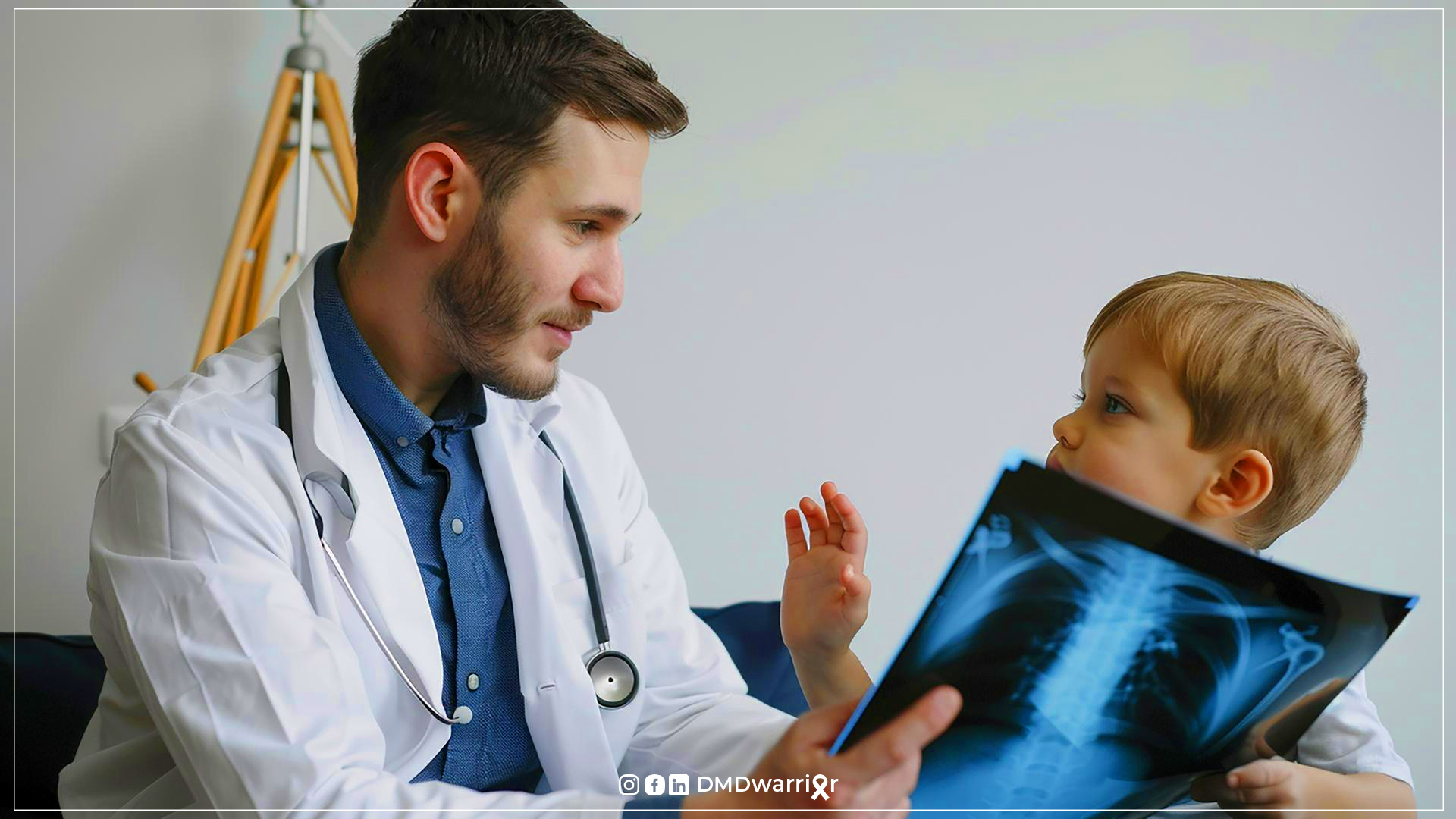
Duchenne Muscular Dystrophy (DMD) is a progressive genetic disorder characterized by the weakening of skeletal muscles, including those responsible for breathing. Over time, respiratory muscle weakness in DMD can compromise lung function, increasing the risk of infections, sleep-disordered breathing, and respiratory failure. Maintaining for lung muscles or respiratory health care in Duchenne muscular dystrophy is essential, as understanding and applying effective respiratory management strategies can significantly improve quality of life and extend survival for patients.
This guide provides an in-depth look at maintaining pulmonary function with Duchenne muscular dystrophy, covering the importance of pulmonary function tests, diaphragm function and breathing exercises, lung volume recruitment techniques, non-invasive ventilation, cough assistance and airway clearance, and evidence-based respiratory health care guidelines. Read More: FAQ in Duchenne
Table of Contents
Understanding Respiratory Muscle Weakness in DMD
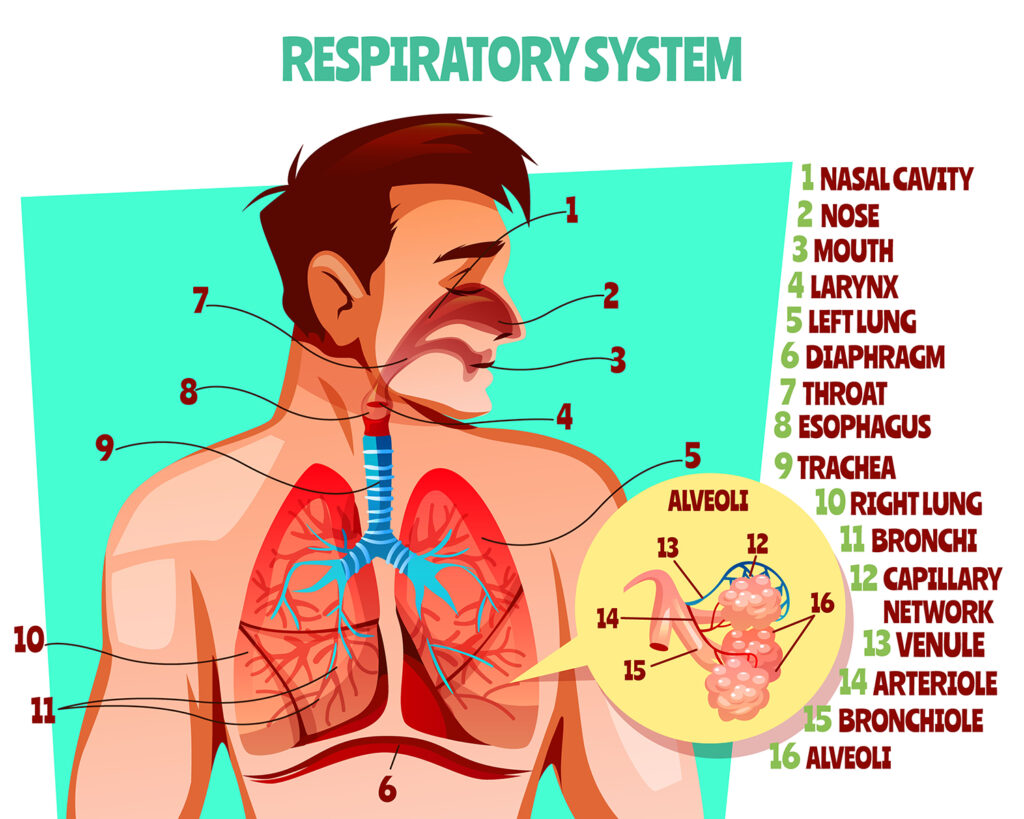
Respiratory muscle weakness in DMD is a hallmark of disease progression. The diaphragm function and breathing in DMD are compromised due to the degeneration of muscle fibers, leading to decreased lung volumes, shallow breathing, and increased susceptibility to infections. Early detection is crucial:

- Signs of respiratory muscle weakness include shortness of breath during activity, morning headaches, fatigue, and decreased cough strength.
- Progression is gradual: inspiratory muscles weaken first, followed by expiratory muscles, impacting the ability to clear secretions and maintain adequate ventilation.
The Importance of Pulmonary Function Tests for DMD
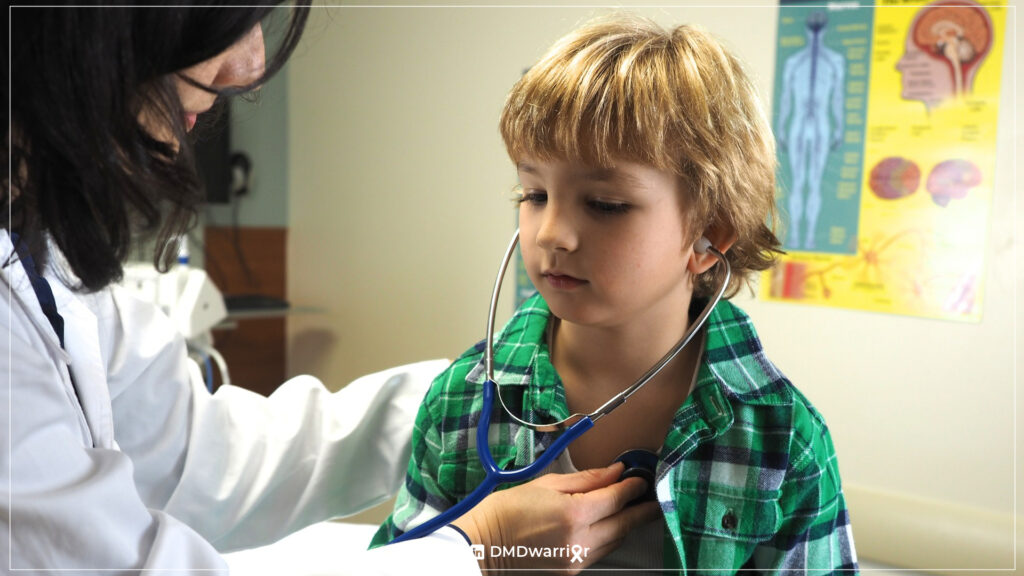
Pulmonary function tests for DMD are essential to monitor respiratory decline. Key metrics include:
- Forced Vital Capacity (FVC): Measures the volume of air exhaled after a deep breath.
- Peak Cough Flow (PCF): Evaluates cough strength.
- Maximal Inspiratory and Expiratory Pressures: Assess diaphragm and accessory muscle strength.
Read More: Spirometry Test in Duchenne
Early and regular monitoring helps guide respiratory management strategies for DMD patients and enables timely interventions.
Learn More: Management of respiratory function in patients with Duchenne
Respiratory Health Care in Duchenne Muscular Dystrophy
Maintaining lung function in Duchenne muscular dystrophy requires a proactive approach that combines therapies, exercises, and supportive care. Key strategies include:
Lung Volume Recruitment Techniques
These techniques, also known as “breath-stacking,” expand lung capacity and prevent atelectasis. They involve:
- Using a resuscitation bag or insufflation device to deliver larger breaths.
- Combining with manual chest physiotherapy.
- Performing daily sessions to preserve lung compliance.
Non-Invasive Ventilation in Duchenne Muscular Dystrophy
As respiratory muscles weaken, non-invasive ventilation (NIV) supports breathing, especially at night. Benefits include:
- Reducing hypoventilation during sleep
- Preventing chronic hypercapnia
- Improving quality of life and survival rates
NIV can be delivered via nasal masks, mouthpieces, or full-face masks depending on patient needs.
Cough Assistance and Airway Clearance in DMD
Cough assistance devices, such as mechanical insufflation-exsufflation machines, are critical to prevent infections. Techniques include:
- Assisted coughing
- High-frequency chest wall oscillation
- Manual chest physiotherapy
Maintaining effective airway clearance is vital as weak expiratory muscles reduce the ability to clear secretions.
Diaphragm Function and Breathing in DMD
The diaphragm is the primary muscle for inhalation. Maintaining its function involves:
- Inspiratory muscle training
- Positioning strategies to maximize lung expansion
- Avoiding prolonged inactivity that accelerates muscle atrophy
Respiratory Health Care Guidelines for Duchenne Muscular Dystrophy
Guidelines recommend:
- Initiating pulmonary function tests by age 5–6 or at diagnosis
- Beginning NIV when FVC falls below 50% predicted or PCF is below 270 L/min
- Regular monitoring every 6–12 months, or more frequently during decline
- Integrating multidisciplinary care involving pulmonologists, physical therapists, and caregivers
Daily and Supportive Interventions
Families play a critical role in maintaining lung function in Duchenne muscular dystrophy:
- Encouraging deep breathing exercises
- Performing assisted cough sessions
- Ensuring proper nutrition to support muscle health (Best Foods and Nutrition Plan for Duchenne)
- Keeping up with vaccinations to prevent respiratory infections
- Using adaptive equipment to support mobility and posture, which indirectly improves lung function
Optimizing Respiratory Management Strategies for DMD Patients
Clinicians and caregivers can adopt a structured approach:
- Preventive Care: Vaccinations, infection control, early intervention for minor respiratory symptoms. Learn More: Recommended Vaccinations for Children with DMD
- Therapeutic Interventions: NIV, lung volume recruitment, airway clearance devices.
- Exercise Programs: Low-impact activities that encourage deep breathing without overexertion.
- Monitoring Tools: Regular pulmonary function tests and oxygen saturation checks.
- Education: Training families on device use and recognizing early warning signs.
Integrating Nutrition, Physical Therapy, and Lifestyle
Physical therapy supports thoracic mobility, while nutrition ensures adequate energy and muscle health. Recommendations include:
- Balanced diet with protein-rich foods for muscle support
- Maintaining healthy weight to reduce respiratory burden
- Physiotherapy focusing on posture, stretching, and gentle resistance exercises
Technology and Adaptive Equipment in Respiratory Health
Modern devices assist in daily respiratory care:
- Cough assist machines
- Portable NIV devices
- Positioning aids to maximize chest expansion
- Monitoring tools for oxygen saturation and CO₂ levels
These devices empower families to maintain independence and prevent hospitalizations.
Prognosis and Long-Term Considerations
With proper respiratory health in DMD, pulmonary decline can be slowed, quality of life improved, and life expectancy extended. Early intervention is key. Families and clinicians must remain vigilant for:
- Nighttime hypoventilation
- Recurrent infections
- Progressive decline in FVC or PCF
A multidisciplinary approach ensures the patient receives comprehensive support.
FAQ About Maintaining Lung Muscles in Duchenne Muscular Dystrophy
What are the early signs of lung muscle weakness in Duchenne muscular dystrophy?
Shortness of breath, morning headaches, fatigue, shallow breathing, and reduced cough strength.
How does Duchenne muscular dystrophy affect breathing and lung muscles?
DMD progressively weakens the diaphragm and accessory respiratory muscles, decreasing lung volumes and airflow.
Why is maintaining lung muscles important for someone with Duchenne?
It prevents respiratory infections, slows decline, and supports overall survival and quality of life.
How can families help strengthen lung muscles in Duchenne patients?
Through assisted breathing exercises, cough support, posture management, and daily monitoring.
What breathing exercises are recommended for Duchenne muscular dystrophy?
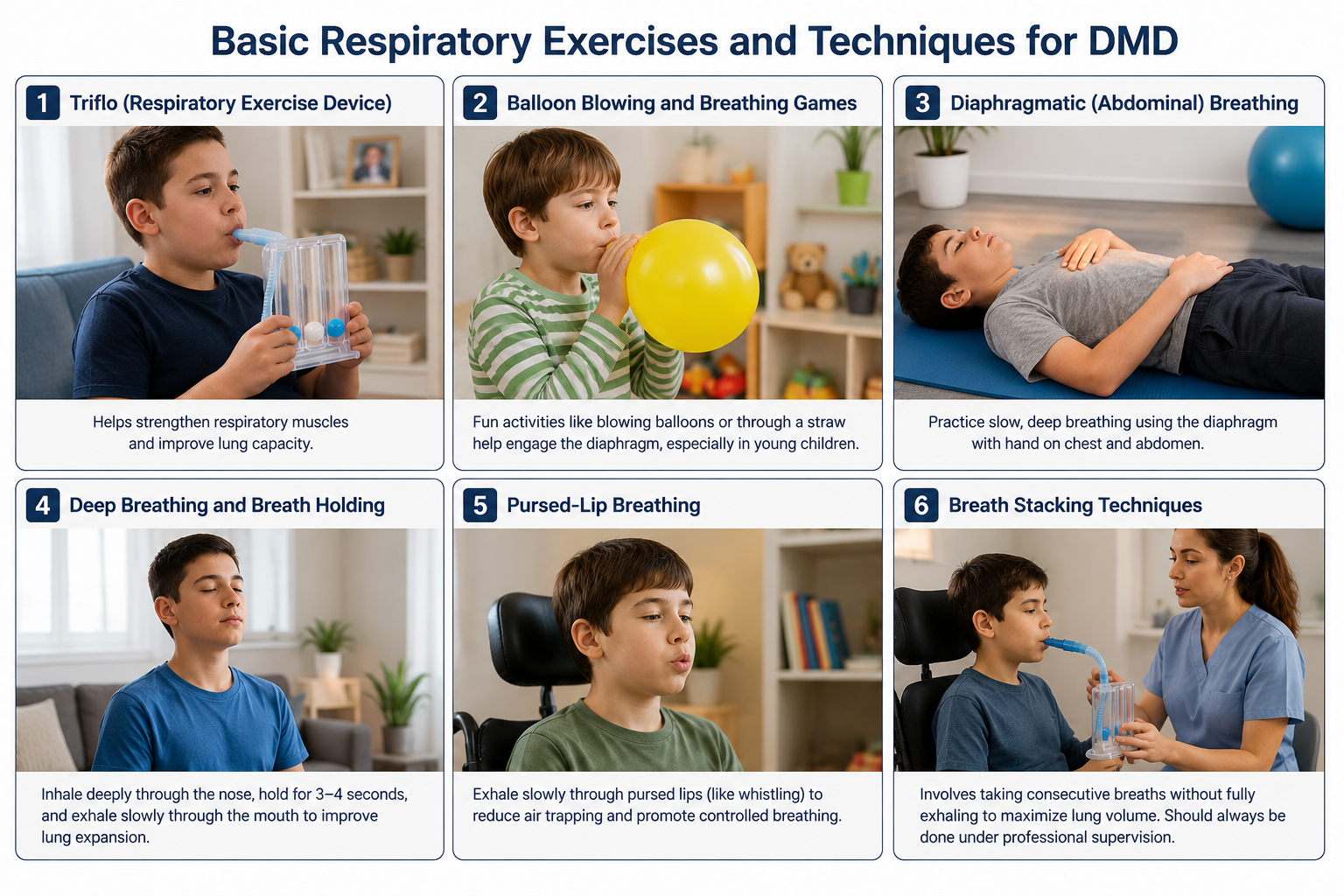
Lung volume recruitment, deep breathing, inspiratory muscle training, and chest expansion exercises.
Read More: Breathing Exercises in DMD
Can physical therapy improve lung function in Duchenne?
Yes, by improving posture, thoracic mobility, and diaphragmatic efficiency.
What daily activities help support lung muscle health with Duchenne?
Gentle exercise, incentive spirometry, maintaining upright posture, and frequent mobility.
How often should respiratory evaluations be done in Duchenne?
Typically every 6–12 months, more frequently if decline is observed.
What are common complications from weak lung muscles in Duchenne?
Respiratory infections, sleep apnea, hypoventilation, and eventual respiratory failure.
What role does nutrition play in lung muscle care for Duchenne?
Adequate protein and caloric intake support muscle strength and overall energy for breathing.
When should pulmonary function tests start for someone with Duchenne?
Around age 5–6 or at diagnosis to establish a baseline.
How can we slow down pulmonary decline in Duchenne muscular dystrophy?
Early intervention with NIV, lung recruitment, cough assistance, and consistent monitoring.
What treatments help maintain healthy lungs in Duchenne?
NIV, airway clearance, lung volume recruitment, and respiratory physiotherapy.
How do cough assist devices help pulmonary function in Duchenne?
They enhance secretion clearance and prevent infections by compensating for weak expiratory muscles. Read More: Cough Assist
What is the best way to manage nighttime breathing issues in Duchenne?
Non-invasive ventilation and regular monitoring of oxygen and CO₂ levels.
What medications support pulmonary health in Duchenne muscular dystrophy?
Steroids, bronchodilators, and antibiotics for infection management when prescribed.
How can families prepare for respiratory changes in Duchenne?
Learn device use, recognize early signs, plan for adaptive equipment, and maintain regular medical follow-up.
What are the warning signs that pulmonary function is worsening?
Increased shortness of breath, fatigue, morning headaches, low oxygen saturation, and weak cough.
How do clinicians measure lung strength in Duchenne patients?
Pulmonary function tests, peak cough flow, and inspiratory/expiratory pressures.
How can adaptive equipment improve breathing for Duchenne patients?
Devices like NIV machines, cough assist devices, and positioning aids optimize ventilation and airway clearance.
Final Thoughts
Effective care for lung muscles in DMD is essential to preserve breathing strength and prevent complications. Maintaining pulmonary function with Duchenne muscular dystrophy requires early intervention, regular monitoring, and consistent use of airway clearance techniques.
Respiratory health care in Duchenne muscular dystrophy includes lung volume recruitment, non-invasive ventilation, and diaphragm exercises to slow decline. Families and clinicians play a key role in supporting daily respiratory routines. Proper nutrition, physical therapy, and adaptive equipment further enhance lung health. Early recognition of weakness allows timely interventions.
Ongoing pulmonary function tests guide care decisions. Preventing infections remains a priority. A multidisciplinary approach ensures the best outcomes. Prioritizing respiratory health improves both longevity and quality of life for DMD patients.