
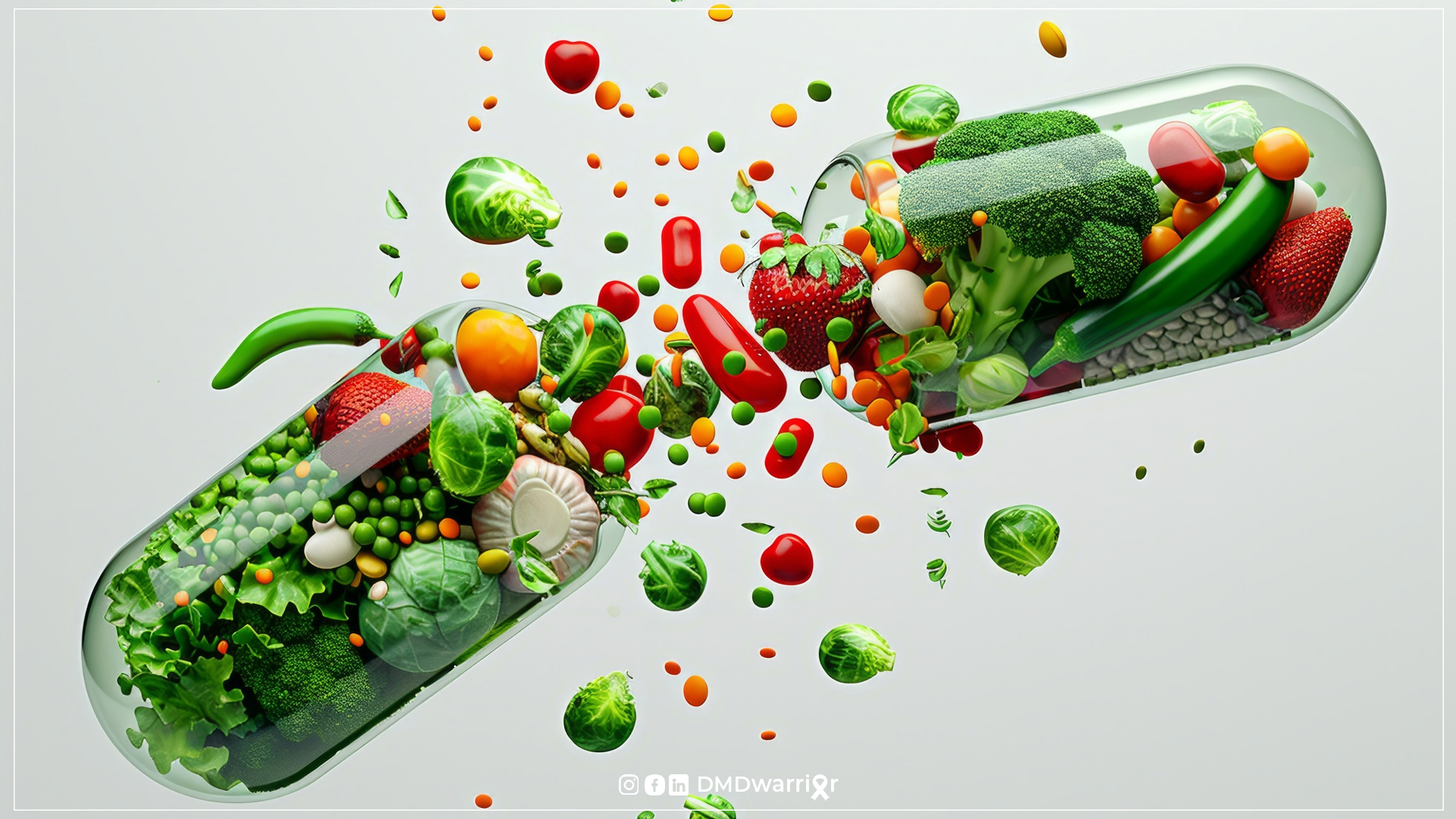
Duchenne Muscular Dystrophy (DMD) is one of the most severe inherited neuromuscular disorders, primarily affecting boys and causing progressive muscle degeneration, weakness, and loss of ambulation. The disease results from mutations in the dystrophin gene, leading to the absence of dystrophin, a protein essential for maintaining muscle cell membrane stability. Without dystrophin, muscle fibers become vulnerable to damage, triggering chronic inflammation, oxidative stress, and progressive muscle loss. Because of these challenges, researchers are increasingly investigating Duchenne muscular dystrophy supplements and other nutraceuticals for Duchenne Muscular Dystrophy that may help support muscle health and reduce inflammation.
Although several pharmacological treatments exist—including corticosteroids and emerging gene-based therapies—many patients and caregivers are increasingly exploring nutritional and nutraceutical approaches that may complement standard medical care.
In recent years, scientists have investigated numerous Duchenne Muscular Dystrophy supplements that may help reduce inflammation, improve mitochondrial function, or protect muscle cells from oxidative stress. These substances fall under the category of Nutraceuticals for Duchenne Muscular Dystrophy, which include vitamins, amino acids, antioxidants, and plant-derived compounds.

This article explores the scientific evidence behind Dietary supplements for DMD patients, focusing on which nutritional supplements may reduce muscle inflammation in Duchenne muscular dystrophy and potentially support muscle health. It also discusses how Natural therapies for Duchenne Muscular Dystrophy may complement conventional treatment strategies.
Table of Contents
Understanding Inflammation and Oxidative Stress in Duchenne Muscular Dystrophy
Two major pathological processes drive disease progression in DMD:
- Chronic inflammation
- Oxidative stress
When muscle fibers are damaged due to dystrophin deficiency, immune cells infiltrate the tissue and release inflammatory cytokines such as:
- TNF-α
- IL-6
- NF-κB signaling molecules
At the same time, damaged mitochondria produce excess reactive oxygen species (ROS), leading to oxidative stress. This combination accelerates muscle fiber degeneration and fibrosis.
Several nutraceuticals for Duchenne Muscular Dystrophy target these processes by:
- Reducing inflammatory signaling
- Scavenging free radicals
- Supporting mitochondrial metabolism
- Enhancing nitric oxide signaling
The following sections review the most promising Duchenne Muscular Dystrophy supplements supported by scientific studies.
Which Nutritional Supplements Reduce Muscle Inflammation in Duchenne Muscular Dystrophy?
Coenzyme Q10
Coenzyme Q10 is a mitochondrial antioxidant involved in cellular energy production. Because muscle cells require high levels of ATP (adenosine triphosphate), mitochondrial dysfunction is particularly damaging in DMD.
Potential benefits
Research suggests CoQ10 may:
- Improve mitochondrial function
- Reduce oxidative stress
- Enhance muscle energy metabolism
A clinical trial published in Muscle & Nerve reported that combining CoQ10 with corticosteroids improved muscle strength in some DMD patients.1
Mechanism
- Enhances mitochondrial electron transport chain
- Reduces lipid peroxidation
- Protects muscle cell membranes
For this reason, CoQ10 is commonly included among Dietary supplements for DMD patients.
Foods High in Coenzyme Q10
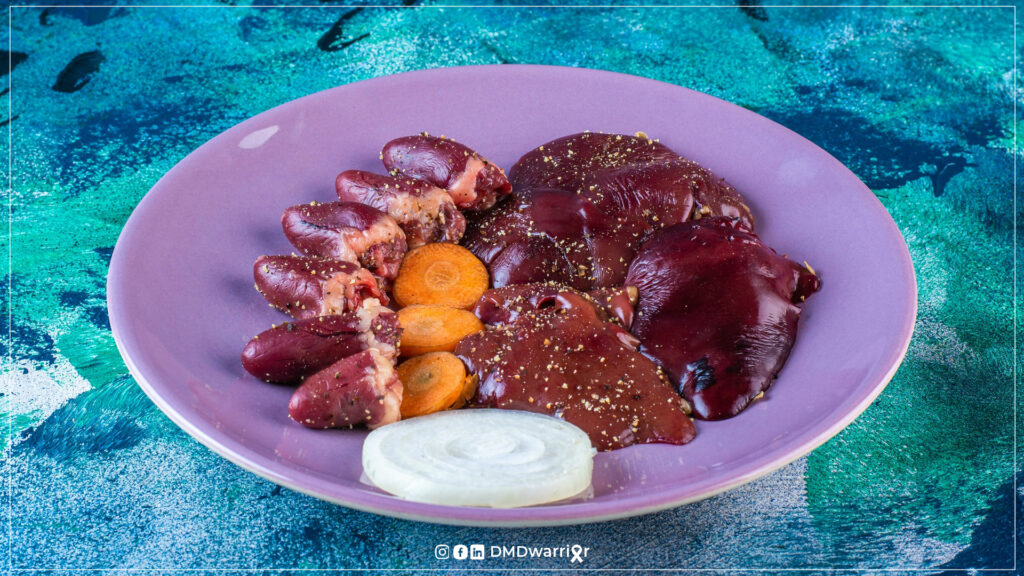
1. Organ Meats
- Heart, liver, and kidney (especially beef and pork)
- These are among the richest natural sources of CoQ10.
2. Fatty Fish
- Salmon, mackerel, sardines, and trout
- Provide both CoQ10 and omega-3 fatty acids, which support muscle and cardiovascular health.
3. Meat (Muscle Cuts)
- Beef, chicken, and pork (muscle tissue)
- Moderate amounts of CoQ10; cooking reduces content slightly.
4. Nuts and Seeds
- Peanuts, pistachios, sesame seeds, and sunflower seeds
- Good plant-based sources for vegetarian diets.
5. Vegetable Oils
- Soybean oil, canola oil, and olive oil
- Contain moderate CoQ10; best used raw or lightly cooked.
6. Legumes
- Soybeans, peanuts, and lentils
- Provide small but beneficial amounts of CoQ10.
7. Vegetables (Lower Amounts)
- Spinach, broccoli, and cauliflower
- Contain CoQ10, though in smaller quantities compared to meats and fish.
🧠 About Coenzyme Q10 Supplements
Nutraceutical supplements containing Coenzyme Q10 that are commonly stocked in pharmacies or available through pharmacy retailers. CoQ10 is widely used for cellular energy support and antioxidant benefits, and products are often marketed to support general health.
Even though CoQ10 supplements are widely used and available without a prescription, you should consult a healthcare provider or pharmacist before using them, especially if considering them as part of a broader strategy (e.g., alongside medication, or in conditions like muscular dystrophy).
Find out more: Best Foods and Nutrition Plan for Duchenne
N-Acetylcysteine (NAC)
N‑Acetylcysteine is a precursor to glutathione, one of the body’s most powerful endogenous antioxidants.
Evidence in DMD research
Studies using the mdx mouse model of DMD have shown that NAC supplementation can:
- Reduce oxidative damage in muscle tissue
- Improve muscle force production
- Lower inflammation markers
Mechanism
NAC works by:
- Increasing glutathione levels
- Neutralizing reactive oxygen species
- Suppressing inflammatory signaling pathways
These properties make NAC one of the most widely discussed Nutraceuticals for Duchenne Muscular Dystrophy in experimental research.2
Foods High in Cysteine (NAC Precursors)
Unlike Coenzyme Q10, N-acetylcysteine (NAC) is not directly found in foods.3 NAC is a synthetic derivative of the amino acid cysteine, which is present in protein-rich foods. Your body can convert cysteine into NAC and ultimately use it to boost glutathione, a major antioxidant.
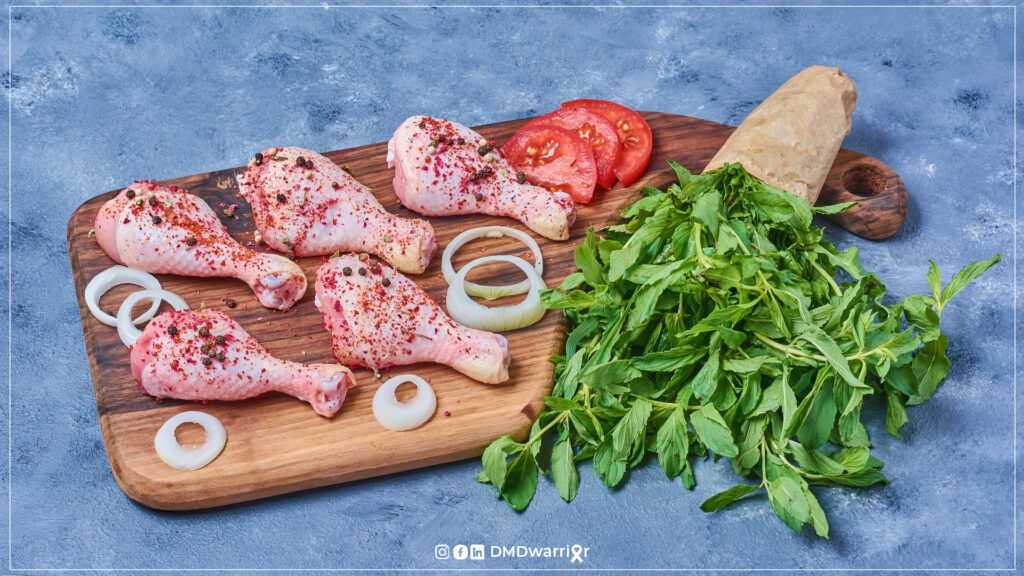
1. Poultry
- Chicken and turkey
- Excellent sources of protein and cysteine, supporting glutathione synthesis.
2. Eggs
- Egg whites in particular
- Rich in sulfur-containing amino acids, including cysteine.
3. Dairy Products
- Yogurt, milk, and cheese
- Provide cysteine along with other essential amino acids.
4. Meat
- Beef, pork, and lamb
- Good sources of cysteine and protein for antioxidant support.
5. Legumes
- Lentils, chickpeas, and soybeans
- Plant-based sources of cysteine, helpful for vegetarians.
6. Nuts and Seeds
- Sunflower seeds, walnuts, and peanuts
- Contain cysteine and other sulfur-containing amino acids.
7. Cruciferous Vegetables
- Broccoli, Brussels sprouts, cauliflower, and cabbage
- High in sulfur compounds that can support glutathione production.
8. Garlic and Onions
- Contain organosulfur compounds that aid in NAC and glutathione synthesis.
🧠 About N‑Acetylcysteine (NAC) Supplements
Nutraceutical supplements containing N‑Acetylcysteine (NAC) that are commonly available in pharmacies or through pharmacy‑friendly retailers. NAC is widely used as a dietary supplement and antioxidant precursor (glutathione precursor) and is sometimes considered in broader nutritional strategies—though you should always consult a healthcare provider before use, especially in specific health conditions.
- N‑Acetylcysteine (NAC) is a synthetic amino acid derivative that acts as a precursor to glutathione, one of the body’s most important antioxidants. It helps support antioxidant defenses and has been studied for various uses including oxidative stress support.
- NAC supplements are available in various doses (e.g., ~500 mg to 1000 mg) and forms (capsules, tablets, powders) — choose based on your health goals and professional guidance.
- Some products may also include synergistic ingredients to support antioxidant capacity, but consult a healthcare provider before combining supplements or starting a new regimen.
Omega-3 Fatty Acids
Omega‑3 fatty acids are essential polyunsaturated fats known for their strong anti-inflammatory effects.
Anti-inflammatory mechanisms
Omega-3 fatty acids reduce inflammation by:
- Inhibiting NF-κB signaling
- Decreasing pro-inflammatory cytokines
- Producing anti-inflammatory lipid mediators (resolvins)
Animal studies have shown that omega-3 supplementation may reduce muscle necrosis and fibrosis in dystrophic muscles.4
These effects position omega-3 fatty acids among the most promising Natural therapies for Duchenne Muscular Dystrophy.
Foods High in Omega-3 Fatty Acids
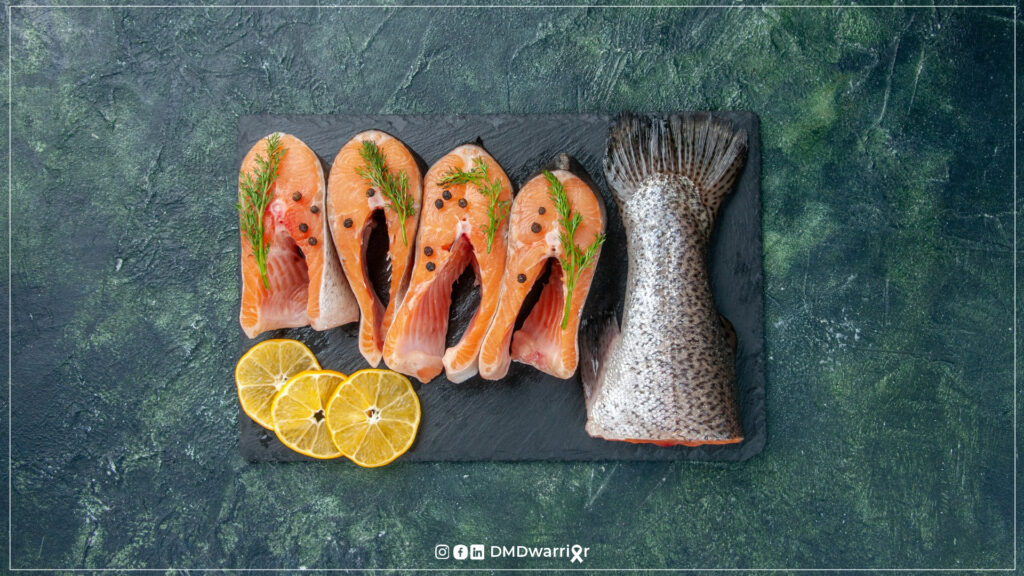
- Salmon
- Mackerel
- Sardines
- Herring
- Trout
These fish are the most concentrated sources of long-chain omega-3s (EPA and DHA), which support heart, brain, and muscle health.
1. Fatty Fish (Rich in EPA & DHA)
2. Shellfish
- Oysters
- Mussels
- Crab
Contain moderate amounts of omega-3s and are high in zinc and other nutrients.
3. Plant-Based Sources (Rich in ALA)
- Chia seeds
- Flaxseeds and flaxseed oil
- Hemp seeds
- Walnuts
Provide alpha-linolenic acid (ALA), which the body can partially convert to EPA and DHA.
4. Oils
- Flaxseed oil
- Canola oil
- Soybean oil
- Walnut oil
Good sources of plant-based omega-3s; best used in dressings or low-heat cooking.
5. Leafy Greens
- Spinach
- Kale
- Purslane
Contain small amounts of ALA and are rich in other antioxidants.
6. Eggs
- Omega-3 enriched eggs
- Hens fed a diet rich in flaxseed or fish oil produce eggs with higher DHA content.
🧠 About Omega-3 Fatty Acids Supplements
Nutraceutical supplements containing Omega‑3 fatty acids that are commonly available through pharmacies or pharmacy‑friendly retailers. Omega‑3s (EPA/DHA) are often used to support anti‑inflammatory and cardiovascular health, and are popular in general wellness supplementation.
Resveratrol
Resveratrol is a polyphenol found in grapes and berries with strong antioxidant and anti-inflammatory properties.
Research findings
Preclinical studies suggest resveratrol can:
- Activate the SIRT1 pathway
- Improve mitochondrial biogenesis
- Reduce muscle inflammation
In dystrophic mouse models, resveratrol supplementation improved muscle function and reduced muscle degeneration.5
Foods High in Resveratrol
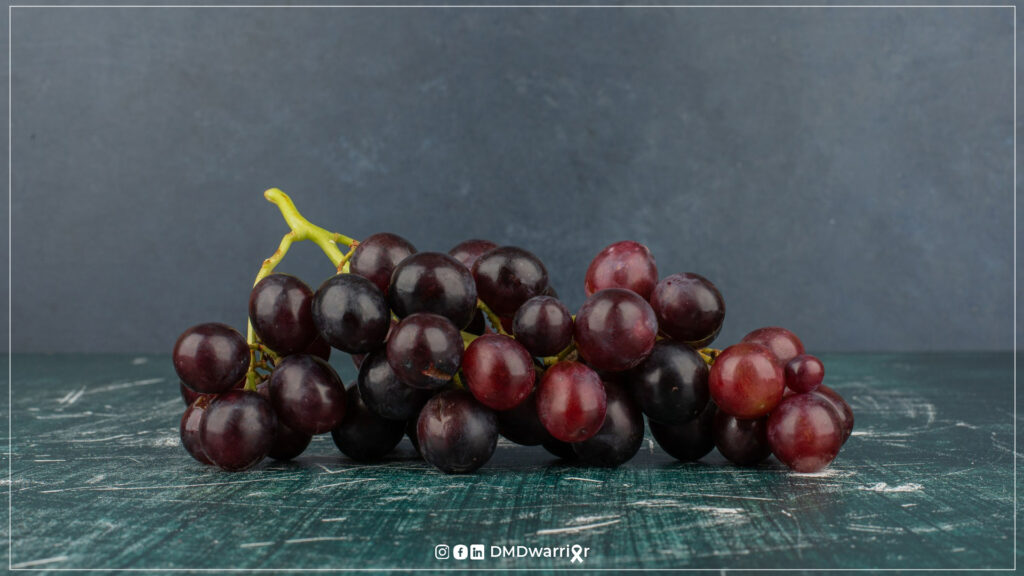
1. Red and Purple Grapes
- Red grapes (especially the skins)
- Concord grapes
- Resveratrol is concentrated in the skin and seeds; red wine also contains resveratrol due to fermentation with grape skins.
2. Berries
- Blueberries
- Cranberries
- Mulberries
- Lingonberries
These berries contain significant amounts of resveratrol and other polyphenols with antioxidant benefits.
3. Peanuts
- Raw peanuts and peanut butter
- Contain resveratrol in smaller amounts; roasted peanuts retain some resveratrol.
4. Dark Chocolate and Cocoa
- High-cocoa dark chocolate (70% or more)
- Contains resveratrol along with flavonoids that support cardiovascular and cellular health.
5. Japanese Knotweed
A natural source often used in resveratrol supplements; very high concentration compared to foods.
🧠 About Resveratrol Supplements
Nutraceutical supplements containing Resveratrol that are commonly sold in pharmacies or available through pharmacy‑friendly retailers. Resveratrol is a plant‑derived polyphenol with antioxidant and anti‑inflammatory properties, often promoted for general health support including cellular protection and reduced oxidative stress—qualities that make it of interest in broader dietary strategies.
Dietary supplements—including resveratrol—are not regulated as strictly as prescription medications. Always consult a pharmacist or healthcare provider before starting any supplement, especially if you have existing health conditions or are taking other medications.
Curcumin
Curcumin, the active compound in turmeric, has potent anti-inflammatory properties.
Benefits in muscular dystrophy research
Curcumin may:
- Inhibit NF-κB activation
- Reduce muscle inflammation
- Decrease fibrosis
Animal studies show that curcumin supplementation may improve muscle regeneration and reduce inflammatory damage.6
Because of these effects, curcumin is frequently listed among Natural therapies for Duchenne Muscular Dystrophy.
Foods High in Curcumin
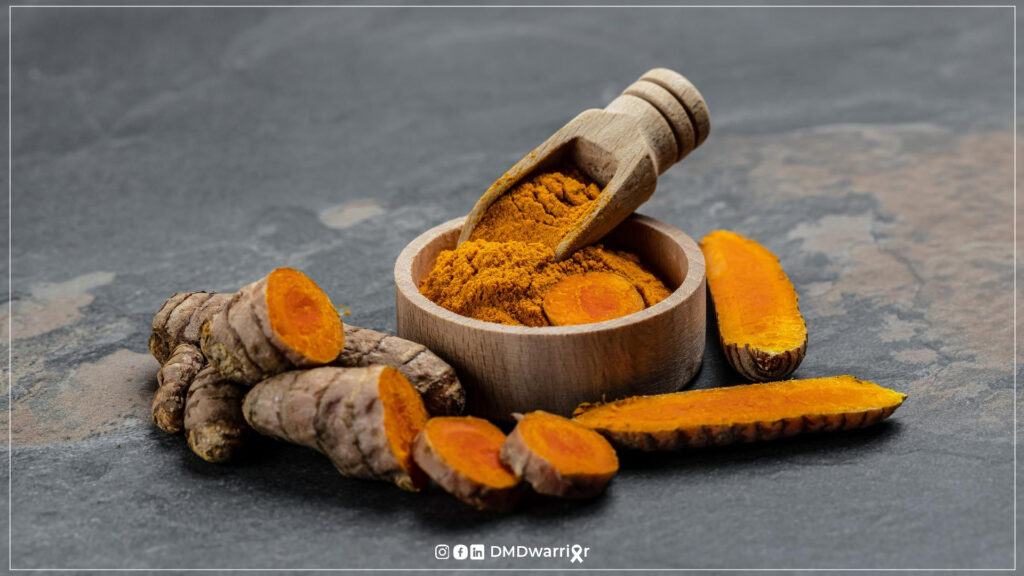
1. Turmeric Root
- Fresh turmeric root – the richest natural source of curcumin.
- Can be grated into dishes, smoothies, or teas.
2. Turmeric Powder
- Dried and powdered turmeric – commonly used in curries, soups, and sauces.
- Often combined with black pepper to increase absorption (piperine enhances bioavailability).
3. Golden Milk and Turmeric Lattes
- Beverages containing turmeric and milk or plant-based milk with added spices.
- Provides a palatable way to consume curcumin daily.
4. Curry Blends
- Spice mixes containing turmeric as the main ingredient.
- Incorporating curry powders into cooking can add dietary curcumin.
5. Turmeric Supplements (Optional)
- Curcumin capsules or tablets provide concentrated doses when dietary intake is insufficient.
- Often formulated with piperine or lipid carriers for better absorption.
🧠 About Curcumin Supplements
Nutraceutical supplements containing curcumin that are commonly available in pharmacies or through pharmacy‑friendly retailers. Curcumin (derived from turmeric) is often used for its anti‑inflammatory and antioxidant properties and is widely stocked as a dietary supplement.
While curcumin supplements are generally considered safe for many people, high doses or enhanced formulations may interact with medications or affect liver enzymes. Always consult a healthcare provider before starting any new supplement, especially if you have underlying health conditions or are taking other medications.
Taurine
Taurine is an amino acid involved in muscle function, calcium signaling, and membrane stability.
Scientific evidence
Research in mdx mice indicates taurine supplementation may:
- Reduce muscle inflammation
- Improve muscle strength
- Protect muscle membranes from oxidative damage
Taurine deficiency has been observed in dystrophic muscle tissue, suggesting supplementation may help restore normal muscle metabolism.7
Foods High in Taurine
1. Seafood
- Shellfish: clams, mussels, oysters, and scallops
- Fish: salmon, tuna, cod, and sardines
Seafood is one of the richest natural sources of taurine.
2. Meat
- Beef, lamb, pork, and chicken
- Taurine is concentrated in muscle tissues, especially dark meat.
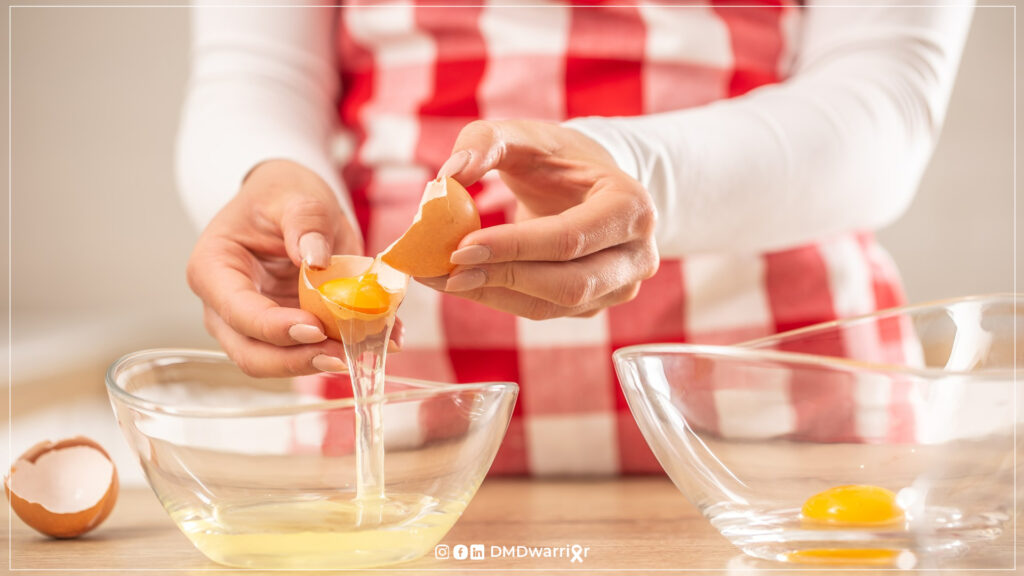
3. Eggs
- Egg whites and yolks contain small amounts of taurine.
- Often combined with other protein sources for optimal intake.
4. Dairy Products
- Milk, cheese, and yogurt
- Contain modest amounts of taurine and other amino acids.
5. Seaweed
- Nori, wakame, and kelp
- Plant-based source of taurine, though lower than animal products.
🧠 About Taurine Supplements
Nutraceutical supplements containing taurine that are widely available from pharmacy‑friendly retailers or supplement suppliers. Taurine is an amino acid often included in wellness and muscle‑health support products.
- Taurine is a sulfur‑containing amino acid that plays roles in muscle metabolism, membrane stability, and cellular antioxidant systems. Taurine supplements are available in capsule and powder forms and are used for general amino acid support, antioxidant activity, and muscle function.
- These products are marketed as nutraceuticals or dietary supplements, not as medicines, meaning they support overall wellness rather than treat diseases. Always consult a healthcare provider before starting any new supplement regimen, especially if you have underlying health conditions or are taking medications.
L-Arginine
L‑Arginine is an amino acid that increases nitric oxide production.
Role in DMD
Nitric oxide improves blood flow to muscles and supports muscle repair.8
Studies indicate that L-arginine supplementation combined with corticosteroids may:9
- Reduce muscle damage
- Improve muscle function
- Enhance vascular perfusion
Foods High in L-Arginine
1. Meat
- Turkey, chicken, pork, and beef
- Muscle meats are rich in L-arginine, supporting protein synthesis and nitric oxide production.
2. Seafood
- Salmon, tuna, shrimp, and crab
- Provide L-arginine along with omega-3 fatty acids for anti-inflammatory support.
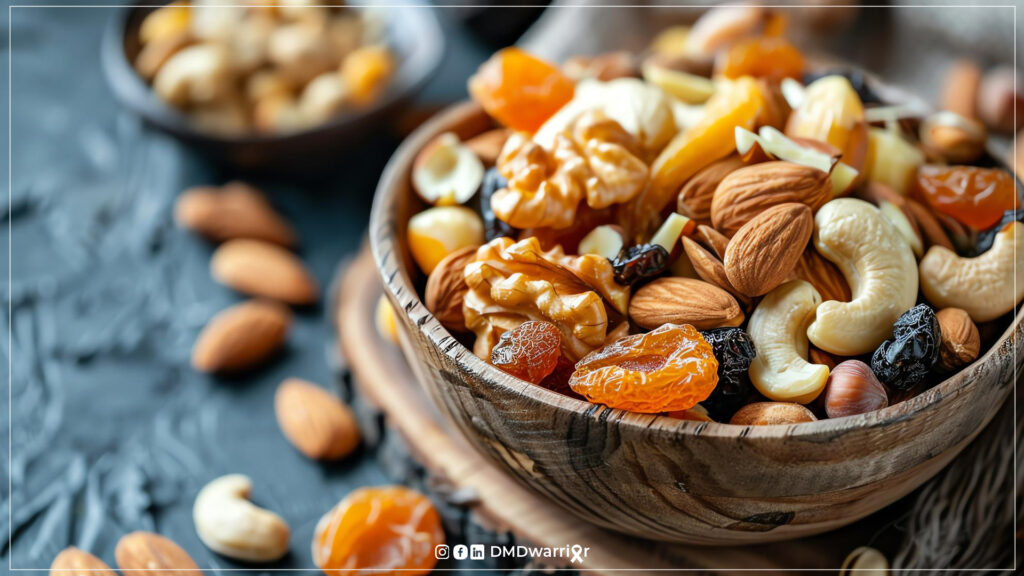
3. Nuts and Seeds
- Pumpkin seeds, peanuts, almonds, walnuts, and sunflower seeds
- Excellent plant-based sources of L-arginine for vegetarians.
4. Legumes
- Chickpeas, lentils, soybeans, and kidney beans
- High in protein and L-arginine, supporting muscle metabolism.
5. Dairy Products
- Milk, yogurt, and cheese
- Moderate sources of L-arginine, especially in combination with other protein foods.
6. Whole Grains
- Oats, wheat germ, and quinoa
- Contain small but beneficial amounts of L-arginine.
🧠 About L‑Arginine Supplements
Nutraceutical supplements containing L‑Arginine that you can typically find in pharmacies or pharmacy‑friendly retail outlets. L‑Arginine is an amino acid often used to support blood flow, nitric oxide production, and muscle metabolism — and is sometimes included in broader nutritional support strategies.
- L‑Arginine is a conditionally essential amino acid that the body can produce, but supplementation may help when nitric oxide production, circulation, or muscle nutrient delivery is a priority.
- These products vary in form (capsules, tablets, sachets, powders) and dosage, so choose based on your preference and professional guidance.
- Though available as nutraceuticals, always talk with a healthcare provider or pharmacist—especially if you plan to use them as part of a targeted supplement plan such as supporting muscle health or circulatory function.
Vitamin D
Vitamin D deficiency is common in individuals with limited mobility, including DMD patients.
Benefits
Vitamin D plays an important role in:
- Bone health
- Muscle function
- Immune regulation
Because long-term corticosteroid use increases the risk of osteoporosis, vitamin D is frequently recommended among Dietary supplements for DMD patients.10
Foods High in Vitamin D
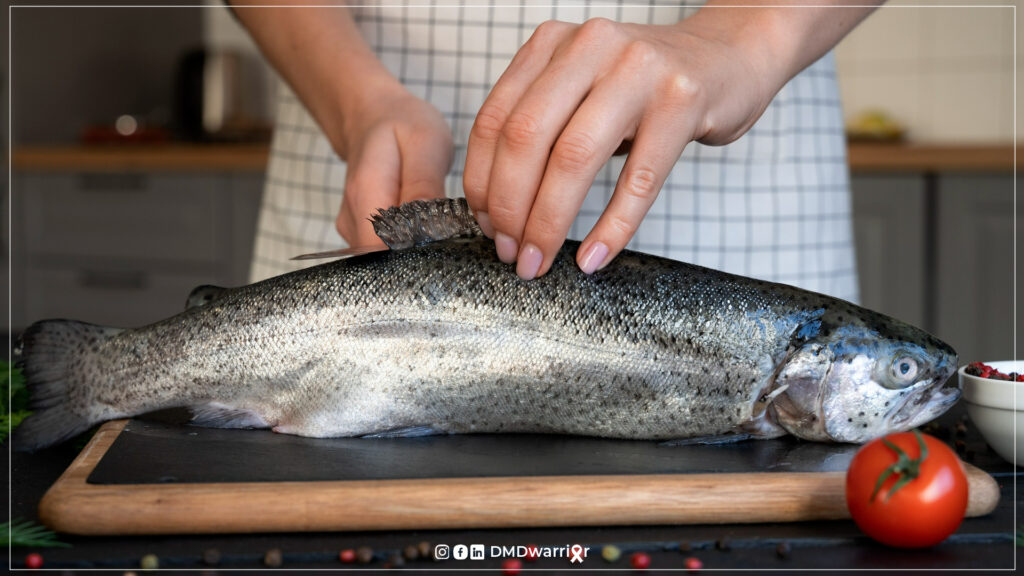
1. Fatty Fish (Rich in Vitamin D3)
- Salmon, mackerel, sardines, and trout
- Among the richest natural sources of vitamin D, supporting muscle and bone health.
2. Cod Liver Oil
- Extremely high in vitamin D, often used as a supplement.
- Also provides omega-3 fatty acids.
3. Egg Yolks
- Contain moderate amounts of vitamin D.
- Best from free-range or pasture-raised eggs, which have higher D content.
4. Fortified Dairy Products
- Milk, yogurt, and cheese often fortified with vitamin D.
- Important dietary source where sunlight exposure is limited.
5. Fortified Plant-Based Milks
- Soy milk, almond milk, and oat milk
- Usually fortified with vitamin D2 or D3 for vegetarians and vegans.
6. Mushrooms
- Shiitake, maitake, and UV-exposed mushrooms
- Contain vitamin D2; UV-exposed mushrooms have significantly higher levels.
7. Fortified Cereals
- Many breakfast cereals are fortified with vitamin D.
- Useful for children and adolescents with limited sun exposure.
🧠 About Vitamin D Supplements
Nutraceutical supplements containing Vitamin D that are commonly available through pharmacies, health‑stores, or pharmacy‑friendly online retailers. Vitamin D is widely used to support bone health, immune function, and muscle function and can be found in various potencies and forms.
⚠️ Important: Always consult a healthcare provider before beginning any vitamin D supplement, especially at higher dosages, since excessive intake can lead to health issues such as hypercalcemia.
Creatine
Creatine is widely known for improving muscle energy availability.
Clinical research
Studies suggest creatine supplementation may:
- Increase muscle strength
- Improve muscle endurance
- Enhance muscle phosphocreatine stores
Creatine is often considered one of the more evidence-supported Duchenne Muscular Dystrophy supplements.11
Foods High in Creatine
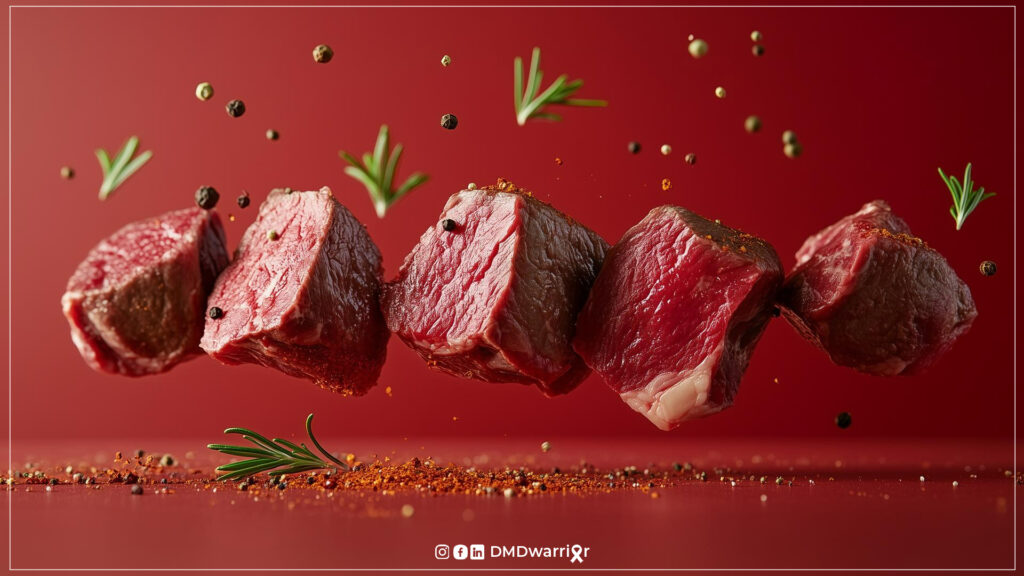
1. Red Meat
- Beef and lamb
- Muscle tissue is naturally rich in creatine, making red meat one of the top dietary sources.
2. Pork
- Pork cuts contain moderate amounts of creatine.
- Cooking preserves most creatine if done at lower temperatures.
3. Fish
- Herring, salmon, tuna, cod, and sardines
- Excellent sources of creatine, also providing omega-3 fatty acids.
4. Poultry
- Chicken and turkey
- Contain moderate creatine levels, mainly in dark meat.
5. Game Meats
- Venison, bison, and rabbit
- Muscle meats from wild animals have higher creatine concentrations than farmed meats.
6. Supplements
- Creatine is also available as a powder or capsule, which provides higher and standardized doses than food sources alone.
🧠 About Creatine Supplements
Nutraceutical supplements containing creatine that are commonly found in pharmacies and nutrition‑focused stores — often used to support muscle energy, strength, and performance as part of broader wellness and supplementation plans. Creatine is one of the most studied and widely used supplements for increasing muscle phosphocreatine stores and supporting short‑term intense activity.
⚠️ Important: Creatine supplements are generally safe for most healthy adults, but individuals with kidney concerns, pre‑existing health conditions, or those taking medications should consult a healthcare provider before starting creatine supplementation — especially if considering it as part of a broader health or rehabilitation plan.
Emerging Nutraceutical Research in Duchenne Muscular Dystrophy
Several other compounds are being explored as Nutraceuticals for Duchenne Muscular Dystrophy:
Green tea polyphenols
Epigallocatechin gallate (EGCG) may reduce oxidative stress and inflammation.
Quercetin
Quercetin is a flavonoid that may improve mitochondrial function.
Melatonin
Melatonin acts as both an antioxidant and anti-inflammatory molecule.
These compounds are currently under investigation but require further clinical validation.
Integrating Nutritional Strategies With Conventional DMD Treatment
While Natural therapies for Duchenne Muscular Dystrophy show promise, they should not replace medical treatment.
Standard therapies for DMD include:
- Corticosteroids
- Cardiac medications
- Respiratory support
- Physical therapy
- Emerging gene therapies
Nutraceuticals should be viewed as adjunctive strategies that may support muscle metabolism and reduce inflammation.
Patients should always consult healthcare professionals before starting Duchenne Muscular Dystrophy supplements, as interactions with medications may occur.
Safety Considerations for Dietary Supplements in DMD
Although many nutraceuticals are generally safe, excessive supplementation may cause adverse effects.
Examples include:
- High doses of antioxidants potentially interfering with cellular signaling
- Creatine causing gastrointestinal discomfort in some individuals
- Herb-derived supplements interacting with medications
Therefore, individualized supplementation strategies are recommended. Always consult your doctor before use.
Future Directions in Nutraceutical Research for Duchenne Muscular Dystrophy
The field of Nutraceuticals for Duchenne Muscular Dystrophy is rapidly evolving.
Future research focuses on:
- Clinical trials evaluating supplement combinations
- Personalized nutritional therapy
- Integration with gene-based treatments
With advances in precision medicine, nutritional strategies may become an increasingly important part of comprehensive DMD care.
Final Thoughts
Duchenne muscular dystrophy remains a challenging condition with significant health impacts. However, research suggests that several Duchenne Muscular Dystrophy supplements may help address key pathological mechanisms such as inflammation, oxidative stress, and mitochondrial dysfunction.
Among the most promising nutraceuticals for DMD patients are:
- Coenzyme Q10
- N-acetylcysteine
- Omega-3 fatty acids
- Resveratrol
- Curcumin
- Taurine
- L-arginine
- Creatine
- Vitamin D
Although these compounds cannot cure the disease, they may complement conventional treatment and potentially improve quality of life.
Ongoing research into Natural therapies for Duchenne Muscular Dystrophy continues to expand our understanding of how nutrition and nutraceuticals may support muscle health in individuals living with this condition.
Learn More: Summary of studies using different supplements in people with Duchenne
FAQ: Nutraceuticals for Duchenne Muscular Dystrophy
What are nutraceuticals for Duchenne muscular dystrophy?
Nutraceuticals for Duchenne Muscular Dystrophy refer to natural compounds, dietary supplements, and bioactive nutrients that may support muscle health and reduce inflammation in individuals with Duchenne Muscular Dystrophy. These may include antioxidants, amino acids, vitamins, and plant-derived compounds studied for their potential to complement medical treatment.
Can nutraceuticals cure Duchenne muscular dystrophy?
No. Currently, nutraceuticals cannot cure Duchenne muscular dystrophy. However, some supplements may help manage symptoms by reducing oxidative stress, improving mitochondrial function, and supporting muscle metabolism. They are generally considered supportive therapies used alongside standard medical care.
Which supplements may help reduce muscle inflammation in Duchenne muscular dystrophy?
Several supplements studied for their potential anti-inflammatory effects include:
• Coenzyme Q10
• N-Acetylcysteine
• Curcumin
• Taurine
• Omega-3 fatty acids
Research suggests these compounds may help reduce oxidative stress and inflammatory pathways involved in muscle degeneration.
Are dietary supplements safe for DMD patients?
Many dietary supplements for DMD patients are considered safe when used appropriately. However, safety depends on factors such as dosage, existing medications, and overall health status. It is important that individuals with Duchenne Muscular Dystrophy consult a healthcare professional before starting any supplement.
Do antioxidants help Duchenne muscular dystrophy?
Antioxidants may play a supportive role in managing Duchenne muscular dystrophy because the disease involves significant oxidative stress. Nutraceutical antioxidants like Resveratrol, Coenzyme Q10, and N-Acetylcysteine may help protect muscle cells from oxidative damage in experimental studies.
What vitamins are commonly recommended for Duchenne muscular dystrophy?
Some commonly recommended vitamins include:
• Vitamin D
• Vitamin E
• Vitamin C
These nutrients support bone health, immune function, and antioxidant defenses, which may be beneficial for individuals with DMD.
Can omega-3 fatty acids benefit people with Duchenne muscular dystrophy?
Omega-3 fatty acids are known for their anti-inflammatory properties. Some research suggests they may help reduce inflammatory signaling in dystrophic muscles and potentially improve muscle health, although more human studies are needed.
What role does creatine play in Duchenne muscular dystrophy?
Creatine is a compound involved in muscle energy production. Research suggests that creatine supplementation may increase muscle strength and improve short-term muscle performance in some individuals with neuromuscular disorders.
Should children with Duchenne muscular dystrophy take supplements?
Some Duchenne Muscular Dystrophy supplements may be recommended by physicians or clinical nutritionists depending on the patient’s nutritional status and treatment plan. Supplement use in children should always be supervised by healthcare professionals to ensure safety and appropriate dosing.
Are natural therapies effective for Duchenne muscular dystrophy?
Natural therapies for Duchenne Muscular Dystrophy, including nutraceuticals, dietary strategies, and lifestyle interventions, may support overall health and help manage inflammation. However, they should be considered complementary approaches rather than replacements for medical treatment.
⚠️ Important: Use all information published in this article under the supervision of your doctor and at the dosages they recommend.
Academic Sources and References
- Antioxidants for Treatment of Duchenne Muscular Dystrophy: A Systematic Review and Meta-Analysis ↩︎
- Pre-clinical evaluation of N-acetylcysteine reveals side effects in the mdx mouse model of Duchenne muscular dystrophy ↩︎
- A Review on Various Uses of N-Acetyl Cysteine ↩︎
- Functional Foods, a Hope to Delay Muscle Dystrophy Progression: A Potential Role for Omega Fatty Acids ↩︎
- Resveratrol attenuates denervation-induced muscle atrophy due to the blockade of atrogin-1 and p62 accumulation ↩︎
- Curcumin in Inflammatory Complications: Therapeutic Applications and Clinical Evidence ↩︎
- The Role of Taurine in Skeletal Muscle Functioning and Its Potential as a Supportive Treatment for Duchenne Muscular Dystrophy ↩︎
- Supplementation with Nitric Oxide Precursors for Strength Performance: A Review of the Current Literature ↩︎
- Nutraceuticals and Their Potential to Treat Duchenne Muscular Dystrophy: Separating the Credible from the Conjecture ↩︎
- Corticosteroids for the treatment of Duchenne muscular dystrophy ↩︎
- Creatine Supplementation in Children and Adolescents ↩︎
Follow This Page >>> All Clinical Trials for Duchenne