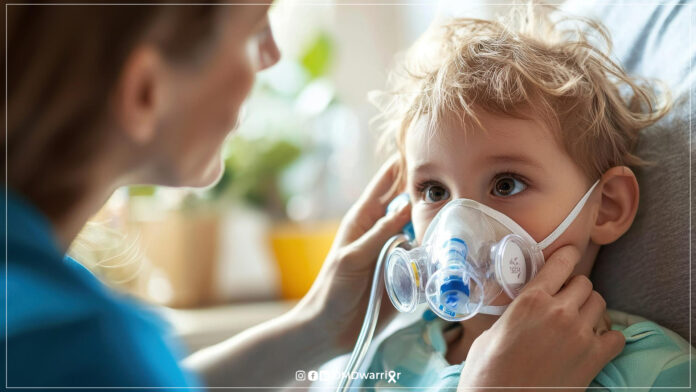
Respiratory devices for Duchenne muscular dystrophy play a critical role in managing breathing complications caused by progressive respiratory muscle weakness. As Duchenne muscular dystrophy advances, patients often develop reduced lung capacity, ineffective coughing, and sleep-related breathing disorders. Modern respiratory technologies such as noninvasive ventilation, cough assist machines, vibration vests, and multi-function ventilators help maintain lung function, improve airway clearance, and significantly enhance quality of life.
Learn More: Respiratory Health Care in Duchenne
Respiratory complications remain one of the leading causes of morbidity and mortality in individuals with DMD. Historically, respiratory failure often occurred in late adolescence or early adulthood. However, advances in respiratory management—including noninvasive ventilation and airway clearance technologies—have dramatically improved survival and quality of life.

Modern respiratory care combines ventilatory support, airway clearance devices, and respiratory physiotherapy. The goal is to maintain adequate ventilation, remove airway secretions, prevent infections, and preserve lung function for as long as possible.
This comprehensive guide explains:
- How noninvasive ventilation helps Duchenne muscular dystrophy
- When to start ventilatory support in Duchenne muscular dystrophy
- Best respiratory devices for Duchenne muscular dystrophy patients
- The role of cough assist machines for neuromuscular respiratory weakness
Table of Contents
Understanding Respiratory Muscle Weakness in Duchenne Muscular Dystrophy
As DMD progresses, respiratory muscles weaken gradually. This process affects:
- Inspiratory muscles (diaphragm and external intercostals)
- Expiratory muscles (abdominal and internal intercostals)
- Bulbar muscles that coordinate swallowing and airway protection
These changes lead to several respiratory complications:
1. Ineffective cough
Weak expiratory muscles reduce cough strength, making it difficult to clear mucus and airway secretions.
2. Nocturnal hypoventilation
During sleep—especially REM sleep—respiratory muscle weakness becomes more pronounced, leading to shallow breathing and low oxygen levels.
3. Reduced lung volumes
Forced vital capacity (FVC) gradually declines as the disease progresses.1
4. Respiratory infections
Inability to clear secretions increases risk of pneumonia and lung infections.
Studies show that respiratory muscle weakness significantly reduces cough effectiveness and airway clearance in individuals with DMD.
Early and proactive respiratory care can delay complications and extend life expectancy.
When to Start Ventilatory Support in Duchenne Muscular Dystrophy
One of the most important clinical decisions is determining when to start ventilatory support in Duchenne muscular dystrophy.
Respiratory specialists typically monitor several clinical markers:
Key indicators for starting respiratory support
- Forced vital capacity (FVC) below 50% predicted
- Nocturnal oxygen desaturation
- Elevated carbon dioxide levels during sleep
- Symptoms of hypoventilation:
- Morning headaches
- Daytime sleepiness
- Poor concentration
- Fatigue
Sleep studies and pulmonary function testing are commonly used to identify early respiratory insufficiency.
Research suggests that initiating noninvasive ventilation when symptoms of nocturnal hypoventilation appear significantly improves outcomes.
In many patients, respiratory support begins with night-time ventilation, eventually progressing to daytime support as muscle weakness advances.
How Noninvasive Ventilation Helps Duchenne Muscular Dystrophy
What is Non-Invasive Ventilation?
Noninvasive ventilation (NIV) provides breathing assistance without requiring a surgical airway such as a tracheostomy. Instead, a ventilator delivers pressurized air through a mask or mouthpiece.2
Common NIV interfaces include:
- Nasal masks
- Full face masks
- Mouthpiece ventilation
Benefits of Noninvasive Ventilation
1. Improves breathing during sleep
NIV stabilizes breathing patterns and prevents nocturnal hypoventilation.
2. Reduces carbon dioxide retention
Weak respiratory muscles often cannot fully eliminate CO₂. NIV improves ventilation efficiency.
3. Preserves lung function
Research shows that initiating NIV can slow the decline in vital capacity and respiratory muscle strength in DMD patients.
4. Extends survival
Clinical studies demonstrate that continuous noninvasive ventilation combined with cough-assist techniques can significantly prolong life expectancy in DMD patients.
5. Improves quality of life
Patients often experience:
- Better sleep quality
- Reduced fatigue
- Improved daytime energy
- Fewer hospitalizations
Best Respiratory Devices for Duchenne Muscular Dystrophy
Effective respiratory management usually requires multiple devices working together.
Below are the most commonly recommended respiratory technologies.
1. Non-Invasive Ventilation
Non-invasive ventilators provide breathing assistance without invasive procedures.
Common types
- BiPAP ventilators
- Volume-assured ventilators
- Mouthpiece ventilation systems
Clinical benefits
- Supports weakened respiratory muscles
- Maintains adequate oxygen and carbon dioxide levels
- Delays the need for tracheostomy
- Enables daytime breathing support
In many cases, patients start with nighttime NIV, then progress to daytime mouthpiece ventilation as disease advances.
Where can I buy a non-invasive ventilation device?
2. One-Way Valve Systems
A one-way valve (also known as a speaking valve or breathing valve depending on configuration) allows controlled airflow during respiratory therapy.
These valves are often used in:
- Air stacking exercises
- Lung expansion therapy
- Mouthpiece ventilation systems
Benefits
- Helps increase lung volume
- Improves cough strength
- Supports airway clearance therapy
Air stacking using ventilators or resuscitator bags has been shown to significantly improve cough peak flow in individuals with DMD.
Where can I buy a One-Way Valve device?
3. Cough Assist (Mechanical Insufflation–Exsufflation)
What is a cough assist machine?
A cough assist machine—also known as Mechanical Insufflation–Exsufflation (MI-E)—is a device designed to simulate a natural cough.
It works by:
- Delivering positive pressure to inflate the lungs
- Rapidly switching to negative pressure
- Creating a high-flow exhalation similar to a cough
This helps remove mucus from the airways.
Why cough assist machines are essential
Patients with neuromuscular disorders often cannot generate strong cough flows.
A cough assist machine for neuromuscular respiratory weakness provides several benefits:
- Clears airway secretions
- Prevents mucus plugs
- Reduces pneumonia risk
- Improves oxygenation
- Reduces hospitalization rates
Studies show that assisted cough techniques significantly increase cough peak flow and improve airway clearance in individuals with DMD.
Where can I buy a Cough Assist device?
4. Vibration Vest (High Frequency Chest Wall Oscillation)
The vibration vest, also called High-Frequency Chest Wall Oscillation (HFCWO), helps loosen mucus in the lungs.
The device consists of:
- An inflatable vest
- A connected air pulse generator
The machine delivers rapid vibrations that loosen mucus from airway walls.
Benefits
- Improves mucus clearance
- Reduces infection risk
- Complements cough assist therapy
- Enhances airway hygiene
The vibration vest is often used in combination with cough assist devices for optimal secretion removal.
Where can I buy a Vibration Vest device?
5. Multi-Function Ventilator
Advanced ventilators used in neuromuscular diseases often include multiple respiratory support features:
Key functions
- Noninvasive ventilation modes
- Air stacking capability
- Mouthpiece ventilation
- Integrated cough assist functions
- Volume-assured pressure support
These multi-function systems allow clinicians to manage multiple respiratory needs using a single device.
For patients with advanced DMD, these ventilators may provide continuous respiratory support throughout the day and night.
Where can I buy a Multi-Function Ventilator device?
Comprehensive Respiratory Care Strategy in Duchenne Muscular Dystrophy
The most effective respiratory management programs combine several approaches:
Daily respiratory therapy
- Lung expansion exercises
- Air stacking techniques
- Airway clearance therapy
Device-based respiratory support
- Noninvasive ventilation
- Cough assist machines
- Chest physiotherapy devices
Monitoring and evaluation
Regular assessments include:
- Pulmonary function tests
- Sleep studies
- Cough peak flow measurement
- Oxygen saturation monitoring
The Impact of Modern Respiratory Care
The introduction of noninvasive ventilation and airway clearance technologies has transformed outcomes for patients with DMD.
Studies show that combining NIV with mechanically assisted cough devices can extend survival into the third decade of life and beyond.
Today, many individuals with DMD live significantly longer and maintain higher quality of life thanks to advances in respiratory medicine.
Future Innovations in Respiratory Technology
Emerging technologies are continuing to improve respiratory care in neuromuscular diseases:
Smart ventilators
Artificial intelligence and smart algorithms allow ventilators to adapt to patient breathing patterns.
Remote respiratory monitoring
Home monitoring systems allow physicians to track respiratory function remotely.
Portable respiratory devices
New compact ventilators improve mobility and independence.
These innovations are expected to further improve survival and quality of life for individuals living with DMD.
Conclusion
Respiratory care is a cornerstone of modern management for Duchenne muscular dystrophy. As respiratory muscles weaken, patients require advanced support to maintain adequate breathing and airway clearance.
Key respiratory technologies include:
- Noninvasive ventilation
- Cough assist machines
- Air stacking techniques
- Vibration vest therapy
- Multi-function ventilators
Early intervention, regular monitoring, and comprehensive respiratory therapy can dramatically improve outcomes for individuals living with Duchenne muscular dystrophy.
FAQ: Frequently Asked Questions from Families
What is the best respiratory device for Duchenne muscular dystrophy?
The most commonly used devices include noninvasive ventilators, cough assist machines, and vibration vests. These technologies help maintain breathing and clear airway secretions.
When should a patient with Duchenne muscular dystrophy start using a ventilator?
Ventilatory support typically begins when patients develop nocturnal hypoventilation, declining lung function, or symptoms such as morning headaches and daytime fatigue.
How does a cough assist machine help Duchenne muscular dystrophy patients?
A cough assist device generates a strong artificial cough by rapidly switching between positive and negative air pressure, helping remove mucus from the lungs.
Can noninvasive ventilation extend life expectancy in Duchenne muscular dystrophy?
Yes. Research shows that noninvasive ventilation combined with airway clearance therapy significantly improves survival and quality of life.
Do all patients with Duchenne muscular dystrophy need respiratory support?
Not immediately. Respiratory support is typically introduced gradually as respiratory muscles weaken.
Are respiratory devices used at home?
Yes. Most modern ventilators and cough assist machines are designed for home use, allowing patients to manage respiratory care outside the hospital.
Sources and Academic References
- Toussaint M et al. Cough augmentation techniques in Duchenne muscular dystrophy. ↩︎
- Bach JR, Martinez D. Continuous noninvasive ventilatory support prolongs survival in Duchenne muscular dystrophy. ↩︎