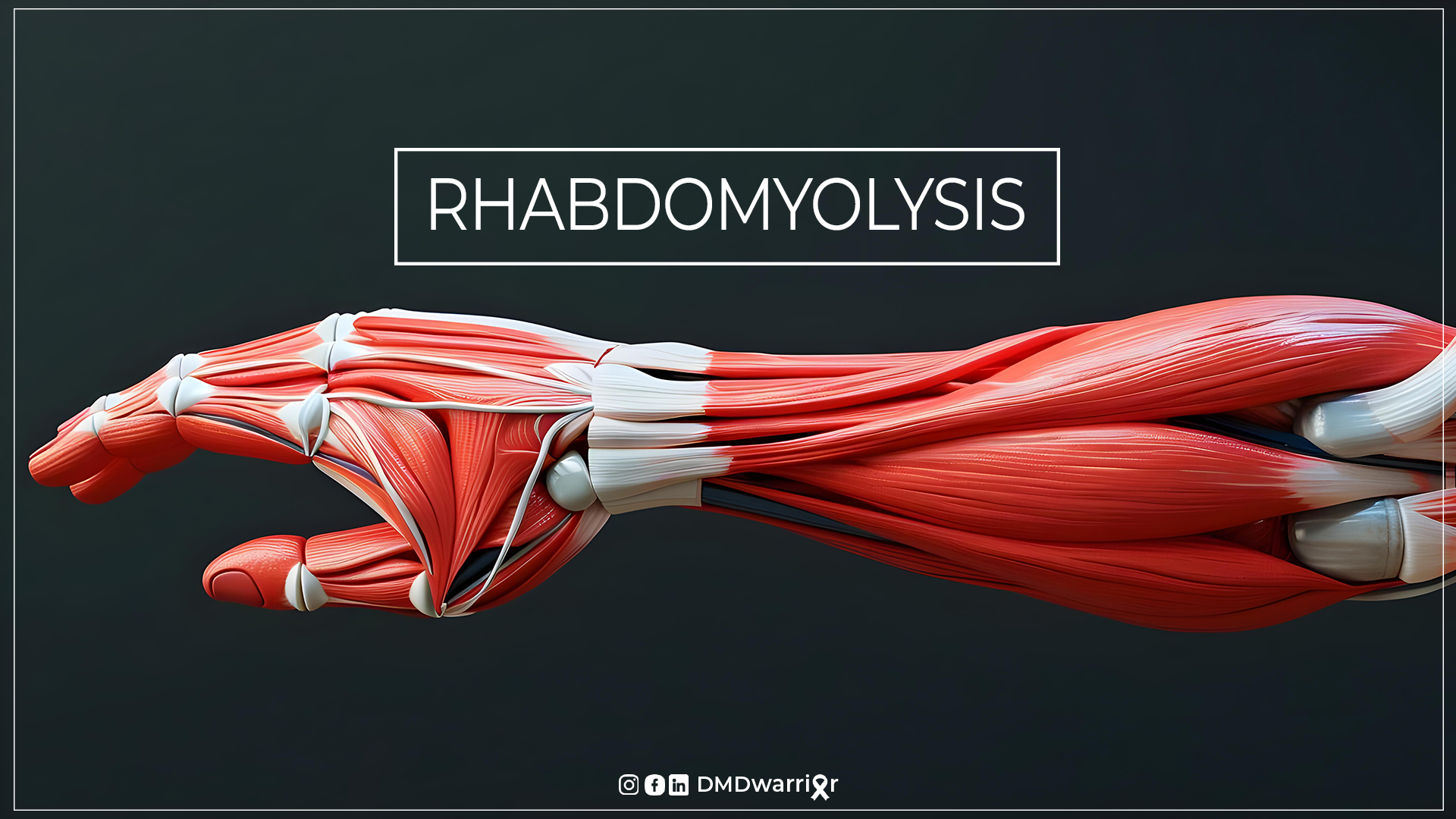
Rhabdomyolysis is a serious medical condition involving the rapid breakdown of muscle tissue, leading to the release of muscle contents into the bloodstream. In people with Duchenne muscular dystrophy (DMD), the risk of rhabdomyolysis is higher due to ongoing muscle degeneration and vulnerability to muscle injury.
Understanding what is rhabdomyolysis in Duchenne muscular dystrophy (DMD), along with its symptoms, causes, and treatment options, is critical for early recognition and prevention of complications such as kidney damage.
Table of Contents
What Is Rhabdomyolysis?
Rhabdomyolysis occurs when damaged muscle fibers break down and release substances like myoglobin, creatine kinase (CK), and electrolytes into the bloodstream. High levels of these substances can overwhelm the kidneys and may lead to acute kidney failure if not treated promptly. >>> What is creatine kinase (CK)?

While rhabdomyolysis can affect anyone, individuals with neuromuscular disorders—especially Duchenne muscular dystrophy—are at increased risk.
What Is Rhabdomyolysis in Duchenne Muscular Dystrophy (DMD)?
Duchenne muscular dystrophy (DMD) is a genetic disorder characterized by progressive muscle weakness caused by the absence of dystrophin, a protein essential for maintaining muscle integrity. Without dystrophin, muscle cells are fragile and prone to damage.
In DMD patients, rhabdomyolysis can occur due to:
- Increased muscle fragility
- Muscle stress from physical activity
- Illness, infection, or fever
- Certain medications or anesthesia
Even mild trauma or overexertion can trigger muscle breakdown in DMD, making rhabdomyolysis a potentially life-threatening complication.
Rhabdomyolysis Symptoms
Recognizing rhabdomyolysis symptoms early is crucial for preventing severe complications. Symptoms can vary in severity and may develop rapidly.
Common Rhabdomyolysis Symptoms
- Muscle pain, tenderness, or swelling
- Muscle weakness beyond baseline DMD-related weakness
- Dark-colored or tea-colored urine
- Reduced urine output
- Fatigue or general weakness
- Fever or nausea
Severe Symptoms
- Confusion or altered mental status
- Irregular heartbeat due to electrolyte imbalances
- Signs of kidney failure
In individuals with DMD, symptoms may be subtle at first and mistaken for disease progression, making vigilance especially important.
Rhabdomyolysis Causes
There are many rhabdomyolysis causes, but in Duchenne muscular dystrophy, the condition often results from a combination of factors.
Common Rhabdomyolysis Causes
- Muscle injury or trauma
- Overexertion or intense physical activity
- Infections or high fever
- Dehydration
- Prolonged immobility
- Certain medications or toxins
- Surgical procedures and anesthesia
DMD-Specific Risk Factors
- Fragile muscle fibers due to dystrophin deficiency
- Respiratory infections increasing muscle stress
- Steroid use combined with dehydration
- Heat exposure and inadequate fluid intake
Understanding these causes allows caregivers and healthcare providers to reduce preventable triggers.
Rhabdomyolysis Treatment
Prompt rhabdomyolysis treatment is essential to prevent kidney damage and other complications. Treatment typically requires hospitalization, especially in patients with Duchenne muscular dystrophy.
Primary Rhabdomyolysis Treatment Approaches
- Intravenous (IV) fluids to flush toxins from the kidneys
- Electrolyte monitoring and correction
- Urine output monitoring
- Discontinuation of triggering medications
- Treatment of underlying infections or causes
Severe Cases
In rare or severe cases:
- Dialysis may be required if kidney failure develops
- Intensive care monitoring may be necessary
Early intervention significantly improves outcomes, emphasizing the importance of rapid medical evaluation when symptoms appear.
Preventing Rhabdomyolysis in Duchenne Muscular Dystrophy
While not all cases are preventable, risk can be reduced by:
- Maintaining proper hydration
- Avoiding excessive physical exertion
- Monitoring for infections and fever
- Communicating DMD status before surgeries or anesthesia
- Regular medical follow-ups and lab monitoring
Caregivers and patients should have an emergency plan in place and seek immediate care if warning signs develop.
Conclusion
Understanding what is rhabdomyolysis in Duchenne muscular dystrophy (DMD) is essential for early detection and effective management. Due to fragile muscle structure in DMD, rhabdomyolysis can occur more easily and progress rapidly.
By recognizing rhabdomyolysis symptoms, understanding rhabdomyolysis causes, and initiating timely rhabdomyolysis treatment, serious complications such as kidney failure can often be prevented. Awareness, prevention strategies, and prompt medical care play a vital role in improving outcomes for individuals living with Duchenne muscular dystrophy.
Frequently Asked Questions (FAQs)
What is rhabdomyolysis in Duchenne muscular dystrophy (DMD)?
Rhabdomyolysis in Duchenne muscular dystrophy (DMD) is a condition where fragile muscle fibers break down rapidly, releasing muscle proteins such as myoglobin into the bloodstream. Because individuals with DMD lack dystrophin, their muscles are more prone to damage, increasing the risk of rhabdomyolysis and related complications like kidney failure.
Why are people with Duchenne muscular dystrophy at higher risk of rhabdomyolysis?
People with Duchenne muscular dystrophy are at higher risk because their muscles are structurally weaker and more vulnerable to injury. Factors such as physical exertion, infections, dehydration, anesthesia, or trauma can trigger muscle breakdown more easily than in individuals without DMD.
What are the early rhabdomyolysis symptoms to watch for?
Early rhabdomyolysis symptoms include muscle pain or swelling, unusual muscle weakness, fatigue, and dark-colored urine. In people with DMD, symptoms may be subtle and can be mistaken for disease progression, making early recognition especially important.
Can rhabdomyolysis cause kidney failure?
Yes, rhabdomyolysis can cause kidney failure. When muscle cells break down, they release myoglobin into the bloodstream, which can damage the kidneys. Prompt rhabdomyolysis treatment significantly reduces the risk of acute kidney injury.
What are the most common rhabdomyolysis causes?
Common rhabdomyolysis causes include muscle trauma, overexertion, infections, dehydration, prolonged immobility, high fever, medications, and toxins. In Duchenne muscular dystrophy, muscle fragility itself is a major contributing cause.
Can exercise cause rhabdomyolysis in Duchenne muscular dystrophy?
Yes, excessive or intense exercise can cause rhabdomyolysis in individuals with Duchenne muscular dystrophy. While gentle, supervised physical activity may be beneficial, overexertion can lead to muscle breakdown and should be avoided.
How is rhabdomyolysis diagnosed?
Rhabdomyolysis is diagnosed through blood tests that show elevated creatine kinase (CK) levels, along with urine tests for myoglobin. Kidney function and electrolyte levels are also monitored to assess complications.
What is the best rhabdomyolysis treatment?
The primary rhabdomyolysis treatment is aggressive intravenous (IV) fluid therapy to protect the kidneys. Additional treatment includes correcting electrolyte imbalances, stopping triggering medications, and treating underlying causes such as infections. Severe cases may require dialysis.
Is rhabdomyolysis a medical emergency?
Yes, rhabdomyolysis is a medical emergency. Without prompt treatment, it can lead to kidney failure, heart rhythm disturbances, and other life-threatening complications. Immediate medical attention is essential when symptoms appear.
Can rhabdomyolysis be prevented in Duchenne muscular dystrophy?
While not always preventable, the risk of rhabdomyolysis in Duchenne muscular dystrophy can be reduced by staying well hydrated, avoiding overexertion, managing infections early, and informing healthcare providers about DMD before surgeries or anesthesia.