

DMD genetic testing for Duchenne muscular dystrophy involves analyzing a person’s DNA to identify mutations in the dystrophin (DMD) gene. Depending on the suspected mutation, genetic testing may include MLPA (Multiplex Ligation-dependent Probe Amplification), Next-Generation Sequencing (NGS), Sanger Sequencing, Whole Exome Sequencing (WES), or Whole Genome Sequencing (WGS). These tests help detect large deletions, duplications, point mutations, and other disease-causing genetic variants. Since the dystrophin gene produces the protein responsible for maintaining muscle structure and function, mutations can result in little or no functional dystrophin, leading to the progressive muscle weakness and degeneration characteristic of Duchenne Muscular Dystrophy (DMD). [Read More: How do I Know if My Child has Muscular Dystrophy?]
By identifying these mutations through genetic testing, healthcare providers can confirm a diagnosis of DMD and provide information about the specific genetic changes present in an individual. This information can be useful for guiding treatment decisions, predicting disease progression, and informing family. [Read More: What is Creatine Kinase (CK)? What Does High Creatine Kinase Mean?]
Things You Need to Know About DMD Genetic Testing
Purpose of DMD genetic testing

The purpose of DMD genetic testing is to identify mutations in the dystrophin gene that are responsible for causing the disease. This information can help healthcare providers confirm a diagnosis of DMD and provide personalized treatment options for individuals with the condition. Additionally, genetic testing can also be used to predict the progression of the disease and help families make informed decisions about future family planning. Ultimately, DMD genetic testing plays a crucial role in improving the management and outcomes of individuals affected by this debilitating condition.
Importance of early detection and intervention
Early detection and intervention are key factors in improving the prognosis and quality of life for individuals with DMD. By identifying the disease at an early stage through genetic testing, healthcare providers can initiate appropriate interventions and therapies to slow the progression of muscle weakness and other symptoms. This can help delay the onset of complications and improve overall outcomes for patients with DMD. Additionally, early detection allows for early access to supportive care services and resources that can help individuals and their families cope with the challenges of living with a progressive neuromuscular disorder. Therefore, promoting awareness of the importance of early detection and intervention in DMD is crucial for optimizing patient care and outcomes.
Process of DMD genetic testing
Genetic testing is a key component in the diagnosis and management of DMD. It involves analyzing an individual’s DNA to identify mutations in the dystrophin gene that are responsible for causing the disorder. This process typically begins with a thorough medical history and physical examination to determine if symptoms are consistent with DMD. If DMD is suspected, genetic testing is recommended to confirm the diagnosis and provide valuable information about the specific genetic mutation present. Early genetic testing can also help identify carriers of the mutation within the family, allowing for genetic counseling and family planning decisions to be made.
Sample collection and analysis
Sample collection and analysis is a crucial step in the genetic testing process for DMD. Samples may be collected through a simple blood draw, cheek swab, or saliva sample. These samples are then sent to a laboratory where they undergo DNA sequencing to identify any mutations in the dystrophin gene. The analysis of the DNA sequence is a complex process that requires specialized equipment and expertise to accurately identify and interpret any genetic changes. Once the results are obtained, they are reviewed by a genetic counselor or healthcare provider who can explain the implications of the findings and help guide further treatment and management decisions.
How is DMD Genetic Testing Done
DNA Testing (Genetic Sequencing or Mutation Analysis)
- The most common test involves analyzing the DMD gene for mutations. This can be done using blood or saliva samples. The test looks for specific mutations that are known to cause DMD, such as deletions, duplications, or point mutations in the gene.
- Deletion/Duplication analysis: This is often the first step in testing. It checks for missing or extra copies of certain parts of the gene, as these are the most common types of mutations.
- Sequencing: If no deletions or duplications are found, a more detailed sequencing of the gene might be done to detect smaller mutations.
Learn More: Types of DMD Genetic Variants
Carrier Testing (for Family Members)
- Women who are carriers of the DMD gene mutation (they have one copy of the mutated gene) can also undergo genetic testing. This is important for family planning and understanding the risk of passing the condition to offspring.
Prenatal Testing
- Genetic testing during pregnancy can be done to determine if a fetus has inherited the DMD mutation, especially if there is a known family history of the condition.
Counseling and interpretation of results
Genetic testing can encompass a variety of techniques, including Polymerase Chain Reaction (PCR) and sequencing, which can provide valuable insights into an individual’s genetic makeup. After undergoing testing, individuals may benefit from genetic counseling to help them understand and interpret their results. Genetic counselors can offer guidance on the implications of test findings and help individuals navigate the complex information presented to them. By working closely with healthcare providers, genetic counselors ensure that individuals receive personalized care and support based on their unique genetic profile.
Which Genetic Test Is Best for Duchenne Muscular Dystrophy?
Genetic testing is the gold standard for diagnosing Duchenne Muscular Dystrophy (DMD). Thanks to advances in molecular genetics, most patients can now receive a definitive diagnosis without the need for a muscle biopsy.
Several different genetic tests are available, each with unique strengths, limitations, and clinical applications. Understanding how these tests differ can help families better interpret genetic reports, evaluate treatment eligibility, and participate in clinical trials.
The comparison below summarizes the most commonly used genetic tests for Duchenne Muscular Dystrophy.
| Test | Detects | Detection Rate in DMD | Exon-Level Information | Point Mutations | Copy Number Changes | Best Used For |
|---|---|---|---|---|---|---|
| MLPA | Large Deletions & Duplications | 70–75% | ✅ Excellent | ❌ | ✅ | First-line testing |
| Targeted DMD NGS Sequencing | Point mutations, small indels | 20–30% | Partial | ✅ | Partial | Second-line after negative MLPA |
| Sanger Sequencing | Specific targeted regions | Limited | No | ✅ | ❌ | Mutation confirmation |
| Whole Exome Sequencing (WES) | All coding genes | Very High | No | ✅ | Limited | Unclear diagnosis |
| Whole Genome Sequencing (WGS) | Entire genome | Highest | No | ✅ | ✅ | Most comprehensive analysis |
1. MLPA (Multiplex Ligation-dependent Probe Amplification)
MLPA is the most widely used first-line genetic test for Duchenne Muscular Dystrophy worldwide.
What Can MLPA Detect?
MLPA is designed to identify:
- Large deletions
- Large duplications
Approximately:
- 60–65% of DMD patients have deletions.
- 8–10% have duplications.
Therefore, MLPA alone can identify approximately 70–75% of all Duchenne cases.
Advantages
- Fast turnaround time
- Cost-effective
- Provides exon-by-exon results
A typical report may show:
Deletion: Exons 45–50
or
Duplication: Exons 2–7
This information is extremely valuable for determining:
- Exon skipping therapy eligibility
- Gene therapy considerations
- Genetic counseling
- Clinical trial eligibility
Limitations
MLPA cannot detect:
- Point mutations
- Small insertions
- Small deletions
- Splice-site variants
2. Targeted DMD Gene Sequencing (NGS)
If MLPA does not identify a disease-causing mutation, the next recommended test is usually Next-Generation Sequencing (NGS) of the DMD gene.
NGS analyzes approximately 2.2 million base pairs of the DMD gene and examines its coding regions in great detail.
Mutations Detected
NGS can identify:
- Missense mutations
- Nonsense mutations
- Frameshift mutations
- Small deletions
- Small insertions
- Splice-site variants
Approximately 20–30% of Duchenne patients carry one of these mutation types.
When MLPA and targeted DMD NGS are used together, they identify the causative mutation in approximately 95–99% of patients.
3. Sanger Sequencing
Before the widespread adoption of NGS, Sanger sequencing was considered the gold standard for DNA sequencing.
Today, it is mainly used to:
- Confirm variants detected by NGS
- Test family members
- Validate suspected pathogenic variants
- Perform targeted analysis of specific DNA regions
Advantages
- Extremely accurate
- Excellent for confirming individual variants
Limitations
- Very time-consuming for large genes like DMD
- Expensive if all 79 exons must be sequenced
- Cannot reliably detect large deletions or duplications
For these reasons, Sanger sequencing is now primarily a confirmatory test rather than a primary diagnostic tool.
4. Whole Exome Sequencing (WES)
Whole Exome Sequencing examines all protein-coding genes in the human genome rather than only the DMD gene.
It analyzes approximately 20,000 genes simultaneously.
Advantages
WES is particularly useful when:
- DMD testing is negative
- Another inherited muscle disease is suspected
- Physicians need to differentiate between multiple neuromuscular disorders
It can identify disorders such as:
- Becker Muscular Dystrophy
- Limb-Girdle Muscular Dystrophy
- Congenital Myopathies
- Other rare neuromuscular diseases
Limitations
WES is generally not the first choice when Duchenne Muscular Dystrophy is strongly suspected because targeted DMD testing is more cost-effective and easier to interpret.
5. Whole Genome Sequencing (WGS)
Whole Genome Sequencing is currently the most comprehensive genetic test available.
Rather than analyzing only coding regions, WGS examines the entire human genome.
Approximately:
3.2 billion DNA base pairs
are analyzed.
WGS Can Detect
- Coding variants
- Intronic variants
- Regulatory region mutations
- Structural variants
- Large chromosomal rearrangements
- Copy number changes
Advantages
- Highest diagnostic potential
- Detects the widest range of mutation types
- Increasingly used in research and difficult diagnostic cases
Limitations
- Expensive
- Generates enormous amounts of data
- Requires advanced bioinformatics analysis
- Not yet routinely available in many healthcare systems
Which Genetic Test Is the Most Accurate?
The answer depends on what is meant by “most accurate.”
For Routine Clinical Diagnosis
The combination of:
- MLPA
- Targeted DMD Next-Generation Sequencing
is considered the current clinical gold standard for diagnosing Duchenne Muscular Dystrophy.
Together, these tests identify the disease-causing mutation in approximately 95–99% of patients.
For the Most Comprehensive Genetic Analysis
Whole Genome Sequencing (WGS) provides the most complete evaluation because it examines the entire genome rather than only the DMD gene.
However, its higher cost and complexity currently limit its routine clinical use.
Comparison of Test Resolution
| Feature | MLPA | Targeted DMD NGS | Sanger Sequencing | WES | WGS |
|---|---|---|---|---|---|
| Large Deletions | ✅ | Partial | ❌ | Partial | ✅ |
| Large Duplications | ✅ | Partial | ❌ | Partial | ✅ |
| Point Mutations | ❌ | ✅ | ✅ | ✅ | ✅ |
| Small Insertions/Deletions | ❌ | ✅ | ✅ | ✅ | ✅ |
| Splice-Site Variants | ❌ | ✅ | Limited | ✅ | ✅ |
| Intronic Variants | ❌ | Usually No | ❌ | ❌ | ✅ |
| Regulatory Regions | ❌ | ❌ | ❌ | ❌ | ✅ |
| Copy Number Variants | ✅ | Partial | ❌ | Limited | ✅ |
| Entire Genome | ❌ | ❌ | ❌ | ❌ | ✅ |
Recommended Diagnostic Workflow for Duchenne Muscular Dystrophy
Current international neuromuscular guidelines generally recommend the following diagnostic pathway:
- Serum Creatine Kinase (CK) Test – Supports clinical suspicion but cannot confirm DMD.
- MLPA – First-line genetic test to detect large deletions and duplications.
- Targeted DMD NGS Sequencing – Performed if MLPA is negative to identify point mutations and small variants.
- Whole Exome Sequencing (WES) or Whole Genome Sequencing (WGS) – Considered when targeted testing fails to identify a causative mutation or another neuromuscular disorder is suspected.
- Muscle Biopsy – Reserved for rare cases in which genetic testing remains inconclusive or when dystrophin protein expression needs to be evaluated.
What Information Should Be Included in a DMD Genetic Report?
Receiving a diagnosis of Duchenne Muscular Dystrophy is only the first step. A high-quality genetic report should provide enough detail to guide treatment decisions, clinical trial eligibility, and family counseling.
Ideally, the report should include:
- The exact HGVS variant nomenclature (e.g., c.6439C>T (p.Arg2147Ter))
- The mutation type (deletion, duplication, nonsense, missense, splice-site, insertion, deletion, etc.)
- The affected exon(s) (e.g., Deletion of Exons 45–50)
- Whether the mutation is out-of-frame or in-frame
- The clinical classification (Pathogenic, Likely Pathogenic, Variant of Uncertain Significance, etc.)
This information is essential for determining eligibility for exon skipping therapies, gene therapy, mutation-specific clinical trials, genetic counseling, and future precision medicine approaches. EXPLORE NOW: DMDWarrior Exon Check Tool
Benefits of DMD genetic testing

Diagnosis: The genetic test confirms whether a person has DMD and the specific mutation involved. This is crucial for proper management and care.
Treatment Decisions: Early diagnosis can lead to better management of the disease and allow for interventions to help slow its progression.
Family Planning: Carrier testing can help family members understand their genetic risks and make informed choices regarding reproduction.
Early diagnosis and treatment planning
By identifying the specific genetic mutations causing the condition, healthcare providers can tailor treatment strategies to target the underlying cause of the disease. This personalized approach can help slow the progression of DMD and improve quality of life for patients. Additionally, early intervention can help address potential complications and comorbidities associated with DMD, such as respiratory and cardiac issues. Therefore, genetic testing plays a crucial role in the comprehensive care of individuals with DMD.
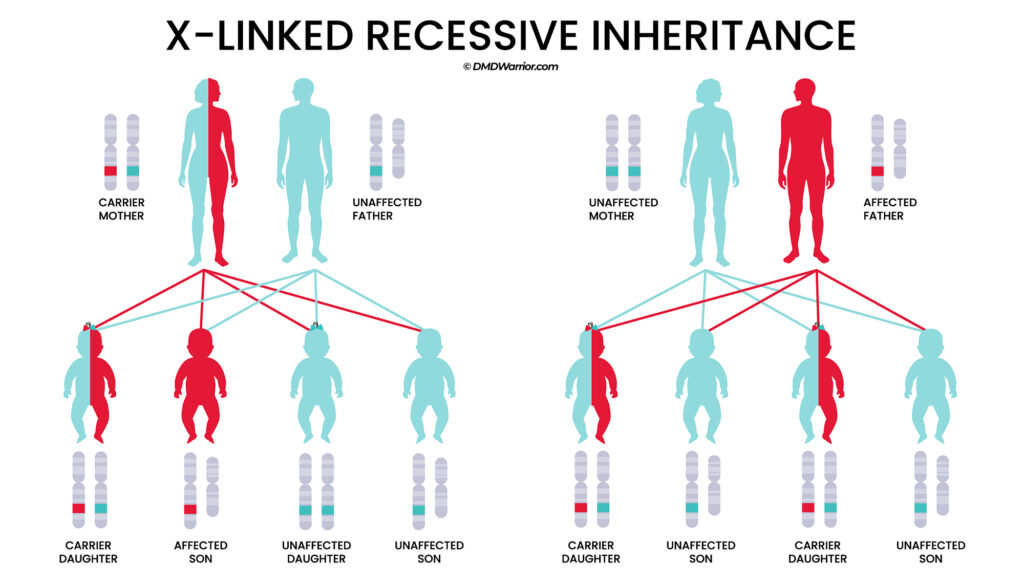
Carrier testing for family members
By identifying carriers within a family, healthcare providers can offer genetic counseling and support to help individuals understand their risk of passing on the condition to future generations. This information can empower family members to make informed decisions about family planning and reproductive options. Additionally, carrier testing can help identify individuals who may be at risk for developing symptoms of DMD later in life, allowing for early intervention and proactive management of the condition. Overall, genetic testing and carrier testing are essential tools in the management of DMD and can greatly impact the health and well-being of individuals and their families. Learn More: Duchenne Carriers
Prenatal testing for at-risk pregnancies
Prenatal testing can provide valuable information about the health of the fetus and help parents make decisions about their pregnancy and future care for their child. By identifying DMD in utero, parents can work with healthcare providers to develop a comprehensive care plan and ensure that the child receives the necessary support and treatment from the moment they are born. Prenatal testing can also help families prepare emotionally and mentally for the challenges that come with raising a child with DMD. Overall, prenatal testing plays a crucial role in the early detection and management of DMD, ultimately improving outcomes for both the child and their family. Learn More: What is Prenatal testing in Duchenne?
Learn More: Genetic Causes of Duchenne Muscular Dystrophy
Frequently Asked Questions About DMD Genetic Testing
How is DMD diagnosed?
Genetic blood test (MLPA): A genetic blood test that looks for the absence of the dystrophin gene can reveal DMD.
Can DMD be detected by genetic testing?
Yes, DMD can be diagnosed with an MLPA blood test or muscle biopsy.
Which blood test can detect DMD?
A blood test measures the level of creatine kinase (CK), a type of enzyme found in muscles >> What is creatine kinase? High CK levels in the blood may indicate muscle damage. Genetic testing is done to determine if there are any mutations in the blood.
Can DMD show up in blood tests?
Tests your doctor may order to diagnose DMD include: Blood tests: A blood sample will be taken from your child to look for creatine kinase (CK). High CK levels are a strong indication that your child may have DMD or another muscle disease.
How many days does it take for DMD genetic testing results to come back?
Depending on the institution where you have the DMD genetic test done, the results will be available between 28 days and 4 months later.
Should parents get genetic testing after their child is diagnosed with DMD?
Yes. If a mother is a genetic carrier, her other children should be tested to learn if they carry a mutated DMD gene. This can help other sons who are found to have DMD start treatment earlier on. Other members of her family, such as sisters and female cousins, may also want to get genetic testing to learn if they are carriers.
Summary of key points for DMD genetic testing
Duchenne muscular dystrophy is a genetic disorder that primarily affects boys, causing progressive muscle weakness and loss of function. Genetic testing is crucial for diagnosing this condition early on, as it can help guide treatment options and provide valuable information for families and healthcare providers. By identifying the specific genetic mutation responsible for Duchenne, individuals can receive personalized care and support to manage their symptoms and improve their quality of life.
Discover More: Explore Duchenne Clinical Trials