
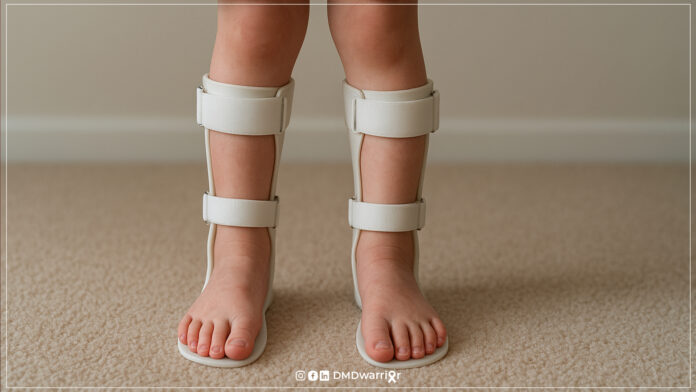
Ankle Foot Orthosis (AFO) devices are pivotal in assisting individuals with Duchenne Muscular Dystrophy (DMD) in managing mobility difficulties. Given the muscle weakness associated with this progressive condition, particularly in the lower extremities, AFOs offer crucial support by enhancing walking ability, preserving joint alignment, and mitigating contracture risks. This piece delves into the definition and significance of AFOs within the realm of Duchenne, elucidating their application, benefits, and comfort considerations. Whether you’re a parent, caregiver, or healthcare professional, comprehending the function of AFOs in Duchenne is imperative for informed care choices and enhanced prognoses. – What is Duchenne? –
Table of Contents
What is Ankle Foot Orthosis (AFO) in Duchenne Muscular Dystrophy?
An Ankle Foot Orthosis (AFO) is a type of orthopedic device commonly used to support the ankle and foot in individuals with muscular or neurological conditions. In Duchenne Muscular Dystrophy (DMD)—a progressive neuromuscular disorder that causes muscle weakness—AFOs play a vital role in managing mobility and preventing complications as the disease progresses.
Duchenne primarily affects boys and often leads to the loss of walking ability by the early teenage years. As lower limb muscles weaken, particularly in the calves and thighs, balance, gait, and joint alignment are compromised. This is where an AFO becomes beneficial. It offers stability, maintains joint alignment, and can even help delay the development of contractures (tightening of muscles or tendons).

Using Ankle Foot Orthosis (AFO) in Duchenne
Why Use AFOs in Duchenne?
AFOs in Duchenne are typically prescribed for two main purposes:
- Night-time Stretching (Static AFOs):
These AFOs are worn during sleep to prevent or delay contractures, especially in the Achilles tendon. They help keep the foot in a neutral position, gently stretching the muscles and tendons. - Day-time Support (Dynamic or Hinged AFOs):
These can be used during walking to improve gait, enhance stability, and reduce fatigue. However, daytime use is less common in ambulatory (walking) stages of DMD, as AFOs may restrict the compensatory gait patterns these children rely on.
Benefits of Using AFOs in Duchenne
- Improved Foot and Ankle Positioning
- Reduced Risk of Contractures
- Increased Comfort During Sleep
- Better Balance and Posture
- Slower Progression of Joint Deformities
When is an AFO used?
AFOs are generally introduced when a child with Duchenne begins to show signs of:
- Toe walking
- Heel cord tightness
- Foot drop
- Loss of range of motion in the ankle
Orthotists, physiotherapists, and neuromuscular specialists work together to assess the right time and type of AFO to prescribe, ensuring it aligns with the child’s current functional abilities.
FAQ About Ankle Foot Orthosis (AFO) in Duchenne
1. At what age do boys with Duchenne start using AFOs?
There’s no specific age. AFOs are typically introduced when muscle tightness or weakness starts affecting ankle positioning—often between ages 3 and 10, but it varies by individual.
2. Are AFOs painful or uncomfortable to wear?
Properly fitted AFOs should not cause pain. There might be an adjustment period at first, but discomfort can usually be addressed by customizing the fit or adding padding.
3. Can AFOs help my child walk longer?
While AFOs can support walking and improve gait mechanics in some children, they’re not a cure and won’t prevent the eventual loss of ambulation. They may help reduce fatigue and provide better balance in the earlier stages.
4. Is it necessary to wear AFOs all day?
Not always. Many children with Duchenne only wear AFOs at night to prevent contractures. Daytime use depends on individual needs and recommendations from the care team.
5. Can AFOs be worn with regular shoes?
Yes. AFOs are designed to fit inside wide or orthopedic-friendly shoes. It’s essential to choose shoes with removable insoles and adjustable fastenings for comfort and support.
Informative Stretching Videos
Watch the videos linked below for some commonly recommended stretches. These were made by PTC Therapeutics and filmed at Leeds Children’s Hospital.
Learn More: Physical Therapy Series
Final Thoughts
Ankle Foot Orthoses (AFOs) are a valuable tool in managing Duchenne Muscular Dystrophy, especially when used at the right stage of the disease. Whether worn during the night to prevent contractures or during the day to support walking, AFOs can improve quality of life and delay complications.
If you’re considering AFOs for your child with Duchenne, consult with a neuromuscular specialist, orthotist, or physiotherapist. Personalized evaluation ensures the best fit and function tailored to your child’s evolving needs.