
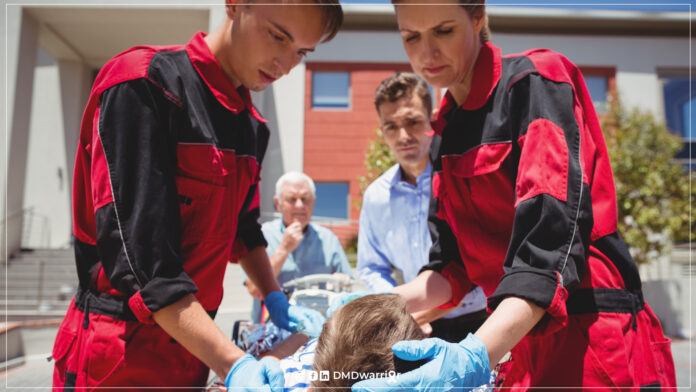
Emergency care in Duchenne muscular dystrophy (DMD) is a critical and often life-saving aspect of disease management. Duchenne muscular dystrophy is a progressive genetic disorder characterized by muscle degeneration due to the absence of dystrophin protein. Over time, this leads to severe complications affecting respiratory and cardiac systems—two major causes of emergency hospital visits and mortality.1
Advancements in multidisciplinary care have extended life expectancy, but they have also increased the likelihood that patients will require acute emergency interventions during their lifetime. Read More: Multidisciplinary Team
This article provides a comprehensive, evidence-based guide to emergency care in Duchenne muscular dystrophy, integrating clinical research, emergency protocols, and caregiver strategies.

Table of Contents
Emergency Care in Duchenne Muscular Dystrophy: Overview and Importance
Emergency situations in DMD arise primarily due to respiratory failure, cardiac complications, infections, trauma, and metabolic crises. Historically, respiratory failure was the leading cause of death, but today, cardiomyopathy has become equally or more significant due to improved respiratory management.2
🟧 Why Emergency Preparedness is Critical
- Progressive muscle weakness affects breathing and heart function
- Sudden deterioration can occur even in stable patients
- Emergency teams may lack DMD-specific knowledge
🟧 Key Emergency Risks in DMD
- Acute respiratory failure
- Heart failure and arrhythmias
- Rhabdomyolysis
- Fat embolism syndrome
- Anesthesia-related complications
What should DMD caregivers and families do first in emergency situations?
When an emergency occurs in Duchenne muscular dystrophy (DMD), quick and informed action by caregivers and family members can be life-saving. Because DMD affects breathing, heart function, and muscle strength, even small changes can escalate rapidly. Knowing exactly what to do in the first few minutes helps stabilize the patient and ensures that emergency responders provide appropriate, condition-specific care.
🟧 Recognize Early Warning Signs
- Sudden difficulty breathing or rapid, shallow breaths
- Bluish lips or fingertips (sign of low oxygen)
- Extreme fatigue, confusion, or unresponsiveness
- Chest pain or irregular heartbeat
- Dark urine or severe muscle pain (possible rhabdomyolysis)
🟧 Take Immediate Action
- Stay calm and position the patient upright or semi-reclined to ease breathing
- Check airway, breathing, and responsiveness
- Use prescribed respiratory support devices (e.g., BiPAP, cough assist) if available
- Do not give food or drink if the patient is struggling to breathe
🟧 Call Emergency Service Promptly
- Contact emergency medical services immediately if symptoms are severe
- Clearly state that the patient has Duchenne muscular dystrophy
- Describe symptoms and mention any respiratory or cardiac concerns
🟨 Provide Critical Information to Responders
- Share the patient’s emergency care plan and medical summary
- List current medications and known allergies
- Inform them about anesthesia risks and oxygen precautions in DMD
- Mention baseline respiratory and cardiac status
🟨 Use Medical Equipment if Available
- Initiate non-invasive ventilation (BiPAP) if prescribed
- Use a cough assist device to help clear secretions
- Monitor oxygen saturation if a pulse oximeter is available
🟨 Avoid Common Mistakes
- Do not rely on oxygen alone without ventilation support
- Do not delay seeking help while waiting for symptoms to improve
- Avoid laying the patient flat if breathing is compromised
🟨 Prepare for Hospital Transfer
- Bring medical documents, medications, and equipment
- Inform the hospital in advance if possible
- Ensure caregivers accompany the patient to communicate needs
Acting quickly and following these emergency steps can significantly improve outcomes and reduce the risk of complications in individuals with Duchenne muscular dystrophy.
Common Life-Threatening Emergencies in Duchenne Muscular Dystrophy
Patients with DMD are susceptible to several serious emergencies that can arise suddenly or as complications of disease progression. The most common life-threatening issues include respiratory failure due to weakened breathing muscles, cardiac complications such as dilated cardiomyopathy and arrhythmias, and metabolic crises like rhabdomyolysis. Infections, particularly respiratory infections, can rapidly worsen a patient’s condition and trigger acute deterioration. Additionally, trauma-related complications such as fractures or fat embolism syndrome can further complicate care. Understanding these risks allows both healthcare providers and caregivers to act quickly and appropriately when emergencies occur. Learn More: Infection in Duchenne
Patients with DMD are vulnerable to multi-system emergencies, often triggered by infections, injuries, or stress.
🟧 Respiratory Emergencies
Respiratory muscle weakness leads to ineffective cough and mucus retention, increasing risk of pneumonia and acute respiratory failure.3
🟧 Cardiac Emergencies
Dilated cardiomyopathy and arrhythmias can result in sudden cardiac death if untreated.
🟧 Metabolic and Muscle Breakdown Emergencies
Rhabdomyolysis can cause kidney failure and electrolyte imbalances.
🟨 Infection-Triggered Crises
Respiratory infections (e.g., influenza, pneumonia) can rapidly worsen respiratory function and require urgent care. Learn More: Vaccinations in Duchenne
Respiratory Failure in Duchenne Muscular Dystrophy: Emergency Management
Respiratory failure is one of the most critical emergencies in DMD and remains a leading cause of hospitalization and mortality. As respiratory muscles weaken, patients lose the ability to breathe effectively and clear airway secretions, increasing the risk of infections and respiratory collapse. Early signs may include rapid breathing, fatigue, difficulty speaking, and disturbed sleep patterns. Emergency management focuses on stabilizing breathing through non-invasive ventilation such as BiPAP, or invasive mechanical ventilation in severe cases. Cough assist devices are also used to help clear mucus from the airways. Importantly, oxygen therapy must be carefully monitored, as improper use can lead to carbon dioxide retention and worsen respiratory failure. Prompt intervention is essential to prevent complications and improve survival.
Respiratory complications are a leading cause of morbidity and mortality in DMD.
🟧 Early Warning Signs of Respiratory Distress
- Rapid or shallow breathing
- Fatigue and daytime sleepiness
- Frequent chest infections
- Weak cough
🟧 When to Seek Emergency Help
- Oxygen saturation drops below safe levels
- Difficulty speaking or swallowing
- Signs of pneumonia
🟧 Use of Ventilatory Support in Emergencies
- Non-invasive ventilation (BiPAP)
- Mechanical ventilation
- Cough assist devices
🟨 Oxygen Therapy Risks
Improper oxygen use may worsen CO₂ retention, leading to respiratory acidosis.
Learn More: Maintaining for Lung Muscles in Duchenne
Cardiac Complications and Emergency Cardiac Care in DMD
Cardiac complications are a major cause of morbidity and mortality in individuals with DMD. Over time, the heart muscle weakens, leading to dilated cardiomyopathy and an increased risk of arrhythmias and heart failure. Symptoms such as shortness of breath, fatigue, swelling in the legs, and rapid heart rate may indicate worsening cardiac function. In emergency situations, rapid assessment using electrocardiograms, echocardiography, and laboratory tests is crucial. Treatment may involve medications such as diuretics, ACE inhibitors, beta-blockers, and antiarrhythmic drugs to stabilize heart function. Early and proactive cardiac management has been shown to improve long-term outcomes and reduce the risk of sudden cardiac events.
Cardiac disease is now a major cause of death in DMD patients, accounting for a large proportion of mortality.
🟧 Cardiomyopathy and Arrhythmias
- Progressive weakening of heart muscle
- Risk of heart failure and sudden death
🟧 Emergency Recognition of Heart Failure
- Swelling in legs
- Rapid heart rate
- Shortness of breath
🟧 Cardiac Monitoring in Emergency Settings
- ECG
- Echocardiography
- Biomarkers
🟨 Long-Term Cardiac Protection
ACE inhibitors and beta-blockers improve survival outcomes.4
Learn More: Heart Health in Duchenne Muscular Dystrophy
Rhabdomyolysis in Duchenne Muscular Dystrophy: Signs and Emergency Treatment
Rhabdomyolysis is a serious condition characterized by the rapid breakdown of muscle tissue, releasing harmful substances into the bloodstream. In DMD patients, it can be triggered by trauma, infections, or certain medications, including some anesthetic agents. Common symptoms include muscle pain, weakness, and dark-colored urine. If left untreated, rhabdomyolysis can lead to kidney failure and dangerous electrolyte imbalances. Emergency treatment involves aggressive intravenous fluid administration to protect kidney function, along with close monitoring of electrolytes and urine output. Early recognition and intervention are critical to prevent severe complications and ensure recovery.
Rhabdomyolysis is a serious condition involving muscle breakdown.
🟧 Common Triggers
- Trauma
- Infections
- Anesthesia
🟧 Symptoms
- Dark urine
- Muscle pain
- Weakness
🟨 Emergency Treatment
- Aggressive hydration
- Monitoring kidney function
- Electrolyte management
Learn More: Rhabdomyolysis in Duchenne Muscular Dystrophy
Trauma, Fractures, and Fat Embolism Syndrome in DMD Patients
Individuals with DMD are at increased risk of fractures due to muscle weakness and reduced bone density, often exacerbated by long-term corticosteroid use. Even minor falls can result in significant injuries, which may lead to complications such as fat embolism syndrome (FES). FES occurs when fat particles enter the bloodstream and block blood vessels, potentially causing respiratory distress, neurological symptoms, and skin changes. Emergency management of trauma in DMD patients includes careful immobilization of fractures, pain control, and close monitoring for complications. Early recognition of FES is critical, as it requires immediate supportive care to prevent life-threatening outcomes.
Bone fragility increases fracture risk in DMD patients.
🟧 Fat Embolism Syndrome
A rare but life-threatening complication after fractures. Read More: Fat Embolism Syndrome in DMD
🟧 Emergency Management of Fractures
- Immobilization
- Pain control
- Surgical evaluation
Learn More: Bone & Joint Health in Duchenne Muscular Dystrophy
Dental Procedures and Emergency Precautions in Duchenne Muscular Dystrophy
Dental procedures in individuals with Duchenne muscular dystrophy (DMD) require special consideration due to the risk of respiratory compromise, cardiac complications, and adverse reactions to anesthesia. Even routine dental care can trigger emergencies if proper precautions are not followed. Therefore, careful planning, communication with healthcare providers, and awareness of DMD-specific risks are essential to ensure patient safety.
🟧 Key Risks During Dental Procedures
- Respiratory muscle weakness leading to breathing difficulties when lying flat
- Increased risk of aspiration due to impaired swallowing and cough reflex
- Cardiac complications, including arrhythmias during stress or sedation
- Adverse reactions to certain anesthetic agents
🟧 Emergency Precautions Before Dental Treatment
- Obtain a detailed medical history, including cardiac and respiratory status
- Consult with the patient’s neurologist and cardiologist if needed
- Avoid general anesthesia unless absolutely necessary and ensure hospital setting if required
- Schedule shorter, stress-free appointments
🟧 Safe Practices During Dental Procedures
- Position the patient in a semi-reclined position to ease breathing
- Use pulse oximetry to monitor oxygen levels continuously
- Have suction readily available to reduce aspiration risk
- Avoid sedatives that may depress respiratory function
🟨 Anesthesia and Medication Considerations
- Avoid depolarizing muscle relaxants (e.g., succinylcholine)
- Use local anesthesia when possible
- Carefully select sedatives with minimal respiratory impact
🟨 Emergency Preparedness in Dental Settings
- Ensure access to emergency oxygen and ventilation support
- Keep emergency medications readily available
- Staff should be trained in recognizing DMD-related complications
- Have a clear plan for rapid transfer to a hospital if needed
🟨 Post-Procedure Monitoring
- Observe for delayed respiratory distress or fatigue
- Monitor for signs of cardiac complications
- Provide caregivers with clear post-procedure instructions
Proper precautions during dental care can significantly reduce the risk of complications and ensure that patients with DMD receive safe and effective treatment.
Learn More: Dental health in Duchenne Muscular Dystrophy
Anesthesia Risks and Emergency Precautions in Duchenne Muscular Dystrophy
Anesthesia presents unique and serious risks for patients with DMD, making careful planning essential in any surgical or emergency setting. Certain anesthetic agents, particularly depolarizing muscle relaxants such as succinylcholine (suxamethonium), can trigger severe reactions such as hyperkalemia, rhabdomyolysis, and cardiac arrest. For this reason, these medications must be strictly avoided. Safer alternatives, such as total intravenous anesthesia (TIVA), are recommended, along with continuous monitoring of cardiac and respiratory function. Emergency preparedness during anesthesia includes having protocols in place to manage complications rapidly. Awareness of these risks among healthcare providers is critical to ensuring patient safety.
Anesthesia presents significant risks in DMD patients.
🟧 Why Certain Drugs Must Be Avoided
- Risk of hyperkalemia
- Cardiac arrest
🟧 Safe Anesthesia Approaches
- Total intravenous anesthesia (TIVA)
Avoid inhaled anesthetic agents if possible: Desflurane, Enflurane, Halothane, Isoflurane, and Sevoflurane.
🟨 Emergency Response to Anesthesia Complications
- Immediate cardiac monitoring
- Electrolyte correction
Patients with DMD are at risk of rhabdomyolysis and cardiovascular instability during anesthesia.5
Learn More: Surgery Under Anesthesia
Emergency Department (ED) Protocols for Duchenne Patients
Emergency departments must adopt specialized protocols when treating patients with DMD to ensure safe and effective care. Initial assessment should prioritize airway, breathing, and circulation, with particular attention to respiratory and cardiac status. Healthcare providers should avoid excessive oxygen administration without proper ventilation support, as this can worsen carbon dioxide retention. Continuous monitoring of oxygen and carbon dioxide levels is essential. Patients or caregivers should provide a detailed medical summary, including diagnosis, medications, and baseline function, to guide treatment decisions. A multidisciplinary approach involving neurologists, cardiologists, and pulmonologists is often necessary for optimal care.
Emergency physicians must adopt specialized protocols.
🟧 Key ED Considerations
- Avoid excessive oxygen
- Evaluate cardiac status immediately
- Monitor respiratory function
🟧 Essential Information to Provide
- Diagnosis and genetic details
- Current medications
- Baseline respiratory function
Developing an Emergency Care Plan for Duchenne Muscular Dystrophy
Creating a comprehensive emergency care plan is one of the most effective ways to improve outcomes for individuals with DMD. This plan should include a detailed medical history, current medications, known risks, and emergency contact information. It should also outline preferred hospitals and specialists familiar with DMD care. Having a written plan ensures that emergency responders and healthcare providers can quickly understand the patient’s needs and deliver appropriate treatment. Regular updates to the plan are important as the disease progresses. Preparation at home, including access to necessary medical equipment and clear instructions, can significantly reduce response time during emergencies.
Preparedness can significantly improve outcomes.
🟧 Components of an Emergency Plan
- Medical summary document
- Emergency contacts
- Hospital preferences
🟨 Caregiver Checklist
- Ventilation equipment
- Medication list
- Emergency instructions
Role of Caregivers and Families During Duchenne Emergencies
Caregivers and family members play a central role in managing emergencies in DMD, as they are often the first to recognize changes in the patient’s condition. Their ability to identify early warning signs—such as breathing difficulties, fatigue, or behavioral changes—can lead to faster intervention and better outcomes. During emergencies, caregivers must communicate clearly with healthcare providers, providing accurate medical history and advocating for disease-specific care. In addition to practical responsibilities, caregivers also provide emotional support, helping patients remain calm during stressful situations. Education, preparedness, and confidence in handling emergencies empower families to act effectively and potentially save lives.
Caregivers play a vital role in early detection and response.
🟧 Recognizing Warning Signs
- Behavioral changes
- Breathing abnormalities
🟧 Communicating with Emergency Teams
- Provide concise medical history
FAQ: Emergency Care in Duchenne Muscular Dystrophy
What is emergency care in Duchenne muscular dystrophy?
Emergency care refers to urgent medical treatment for life-threatening complications such as respiratory failure or heart problems.
What is the most common emergency in DMD?
Respiratory failure is the most common emergency.
When should I take a DMD patient to the ER?
When there are breathing difficulties, chest pain, or sudden weakness.
Can DMD cause sudden death?
Yes, due to cardiac arrhythmias or respiratory failure.
What are early signs of respiratory failure?
Fatigue, shallow breathing, and frequent infections.
Why is oxygen risky in DMD?
It can worsen CO₂ retention if not monitored.
What is cardiomyopathy in DMD?
A weakening of the heart muscle leading to heart failure.
What triggers rhabdomyolysis?
Trauma, infections, or anesthesia.
Is anesthesia safe for DMD patients?
It carries risks and requires special precautions.
What is a cough assist device?
A machine that helps clear mucus from lungs.
Can infections cause emergencies?
Yes, especially respiratory infections.
How can caregivers prepare for emergencies?
By having an emergency care plan and medical summary.
What is fat embolism syndrome?
A complication from fractures causing lung blockage.
Are fractures common in DMD?
Yes, due to weakened bones.
What medications are used for heart protection?
ACE inhibitors and beta-blockers.
Can DMD patients live into adulthood?
Yes, with modern care.
What specialists are needed in emergencies?
Neurologists, cardiologists, pulmonologists.
Is home ventilation helpful?
Yes, it improves survival.
What should be carried to the ER?
Medical records, medication list, emergency plan.
Can emergency care improve survival?
Yes, early intervention significantly improves outcomes.
Read More: Emergency department care of patients with DMD
Conclusion
Emergency care in Duchenne muscular dystrophy requires rapid recognition, specialized interventions, and coordinated care. With improved survival rates, understanding emergency risks is more important than ever.
A proactive approach—including emergency planning, caregiver education, and multidisciplinary care—can significantly reduce mortality and improve quality of life.
- Cardiac and respiratory dysfunction in Duchenne muscular dystrophy and the role of second messengers ↩︎
- Emergency department care of patients with Duchenne muscular dystrophy ↩︎
- Respiratory care in Duchenne muscular dystrophy ↩︎
- Cardioprotective medication in Duchenne muscular dystrophy: a single-centre cohort study ↩︎
- Duchenne muscular dystrophy and anesthesia revisited ↩︎