
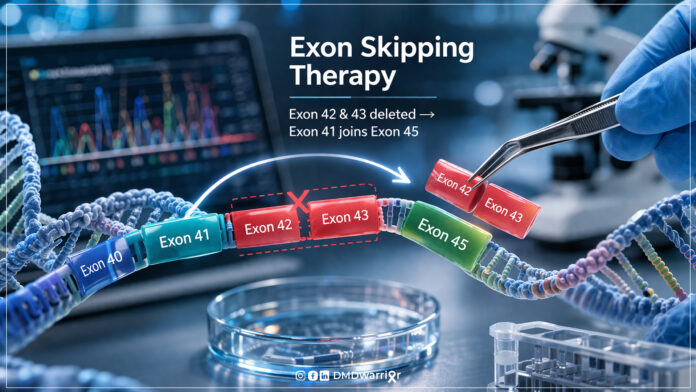
What is exon skipping therapy in DMD, and how does it work in Duchenne muscular dystrophy? This innovative genetic approach targets faulty exons to help restore dystrophin production. Understanding exon skipping therapy in Duchenne muscular dystrophy is key to navigating modern treatment options.
By correcting the reading frame, exon skipping therapy in Duchenne muscular dystrophy offers a personalized strategy for eligible patients. Discover how does it work, who can benefit, and why it is reshaping DMD care.
Table of Contents
The Importance of Dystrophin
As you know, the dystrophin gene in Duchenne muscular dystrophy is the longest gene in the human body and contains 79 exons. These exons are arranged sequentially, like train wagons, reaching the 79th wagon at the end. In this way, the body produces dystrophin, which helps maintain and protect muscle function. Read More: What is dystrophin gene?
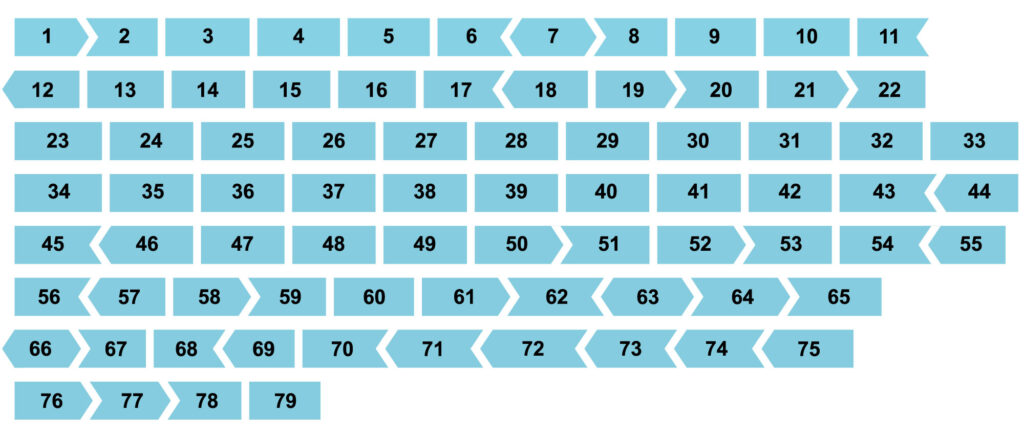
When one or more of these exons are missing, it may not be possible to reach the 79th exon because there is a disruption in the sequence. However, not every exon deletion causes this problem. There is also a milder form of the disease called Becker muscular dystrophy (BMD), which is associated with a longer life expectancy. By understanding the sequence of the dystrophin gene, it becomes clearer how this is possible.
What is Exon Skipping?
Exon skipping is a molecular technique designed to “skip over” faulty sections (exons) of the dystrophin gene during mRNA processing. Duchenne muscular dystrophy is caused by mutations in the DMD gene, one of the largest genes in the human genome. These mutations often disrupt the reading frame, leading to a complete absence of functional dystrophin protein.
Exon skipping uses antisense oligonucleotides (AONs)—short synthetic RNA-like molecules—to bind specific sequences in the pre-mRNA. This binding masks targeted exons from the cellular splicing machinery, effectively removing them from the final mRNA transcript.
Key Concept:
- Out-of-frame mutation → No dystrophin (DMD)
- Restored reading frame via exon skipping → Shortened but functional dystrophin (Becker-like phenotype)
This approach essentially converts a severe Duchenne phenotype into a milder Becker muscular dystrophy-like condition. Read More: Becker vs Duchenne
What happens in Becker muscular dystrophy?
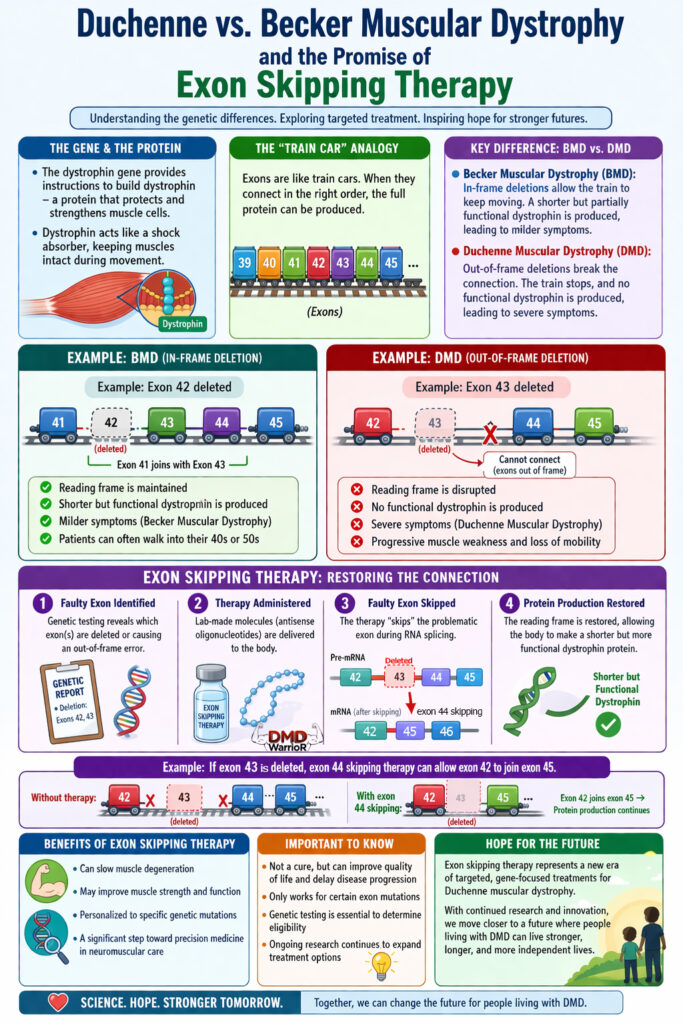
To explain this situation, let’s take a closer look at the region between exons 39 and 44.

In Becker muscular dystrophy, an exon may be deleted; for example, exon 42 may be missing, as in our case. Read More: What is Exon Deletion in DMD?

Even if part of the gene is missing, exon 41 can join exon 43, allowing the sequence to continue to the end of the gene. The key point here is the junction between the two exons. You can think of it like a puzzle.

Exon deletions can cause Duchenne muscular dystrophy (DMD), but which exon is deleted is important. As shown in the example above, exon 42 is deleted, yet exons 41 and 43 can still connect, allowing the sequence to continue. In such cases, the patient is usually diagnosed with Becker muscular dystrophy (BMD). In BMD, the disease typically presents with milder symptoms, and patients can often walk into their 40s or 50s. Learn More: DMD Exon 42-43 Deletion
What happens in Duchenne muscular dystrophy?
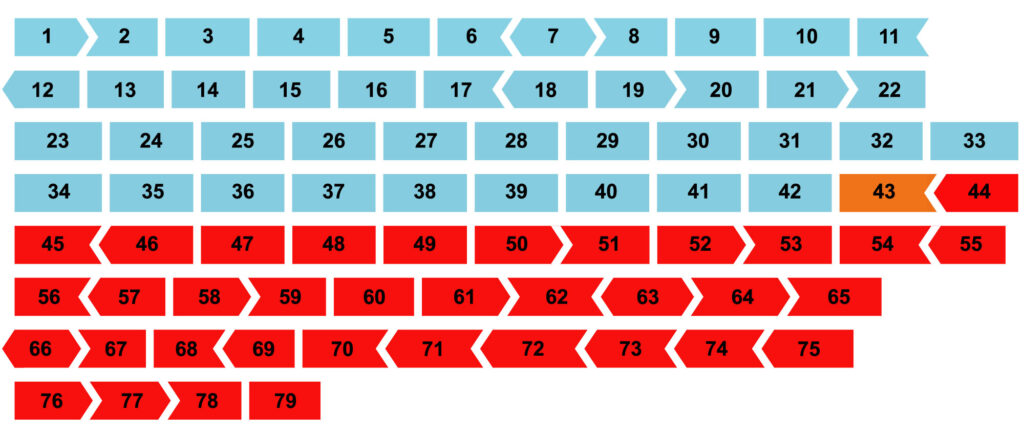
In Duchenne muscular dystrophy (DMD), one or more exons are deleted, preventing the remaining parts of the gene from being properly spliced together. In the example below (using exons 39–44), let’s assume that exon 43 is deleted.

If exon 43 is deleted, as in our example, exons 42 and 44 cannot connect or join properly. This disrupts the continuity of the exon sequence and alters the reading frame. As a result, the dystrophin protein cannot be produced correctly. This genetic disorder impairs muscle function and maintenance.
How Does Exon Skipping Therapy Work in DMD?
Exon skipping therapy is a targeted treatment approach for Duchenne muscular dystrophy (DMD), a genetic condition that causes progressive muscle weakness.
This therapy works by using small, lab-made molecules to “skip over” specific faulty sections (called exons) of the dystrophin gene during protein production. By skipping the damaged exon, the gene’s instructions can be read more accurately, allowing the body to produce a shorter but more functional version of dystrophin.
While exon skipping therapy does not cure Duchenne muscular dystrophy, it can help slow muscle degeneration and may improve muscle function in individuals with certain genetic mutations. Because it targets specific exons, genetic testing is required to determine who may benefit. Overall, exon skipping represents a more personalized, gene-focused approach to treating DMD and is an important step forward in neuromuscular care.

With exon skipping therapy, exon 42 can join exon 45, allowing the rest of the protein to be produced.

Learn More: Development and future prospects of exon-skipping
Variant-Specific Therapies in DMD
| Exon 51 Skip-amenable | Exon 53 Skip-amenable | Exon 45 Skip-amenable | Exon 44 Skip-amenable | Exon 50 Skip-amenable | Exon 52 Skip-amenable | Exon 55 Skip-amenable |
|---|---|---|---|---|---|---|
| 17-50 | 19-52 | 12-44 | 10-43 | 20-49 | 20-51 | 21-54 |
| 19-50 | 21-52 | 18-44 | 11-43 | 22-49 | 22-51 | 23-54 |
| 21-50 | 23-52 | 44 | 13-43 | 51 | 51 | 24-54 |
| 23-50 | 24-52 | 46 | 14-43 | 51-53 | 53 | 25-54 |
| 24-50 | 25-52 | 46-47 | 15-43 | 51-55 | 53-55 | 26-54 |
| 25-50 | 26-52 | 46-48 | 16-43 | 53-57 | 27-54 | |
| 26-50 | 27-52 | 46-49 | 17-43 | 53-59 | 28-54 | |
| 27-50 | 28-52 | 46-51 | 19-43 | 53-60 | 29-54 | |
| 28-50 | 29-52 | 46-53 | 21-43 | 30-54 | ||
| 29-50 | 30-52 | 46-55 | 23-43 | 31-54 | ||
| 30-50 | 31-52 | 46-57 | 24-43 | 32-54 | ||
| 31-50 | 32-52 | 46-59 | 25-43 | 33-54 | ||
| 32-50 | 33-52 | 46-60 | 26-43 | 34-54 | ||
| 33-50 | 34-52 | 27-43 | 35-54 | |||
| 34-50 | 35-52 | 28-43 | 36-54 | |||
| 35-50 | 36-52 | 29-43 | 37-54 | |||
| 36-50 | 37-52 | 30-43 | 38-54 | |||
| 37-50 | 38-52 | 31-43 | 39-54 | |||
| 38-50 | 39-52 | 32-43 | 40-54 | |||
| 39-50 | 40-52 | 33-43 | 41-54 | |||
| 40-50 | 41-52 | 34-43 | 42-54 | |||
| 41-50 | 42-52 | 35-43 | 43-54 | |||
| 42-50 | 43-52 | 36-43 | 45-54 | |||
| 43-50 | 45-52 | 37-43 | 47-54 | |||
| 45-50 | 47-52 | 38-43 | 48-54 | |||
| 47-50 | 48-52 | 39-43 | 49-54 | |||
| 48-50 | 49-52 | 40-43 | 50-54 | |||
| 49-50 | 50-52 | 41-43 | 52-54 | |||
| 50 | 52 | 42-43 | 54 | |||
| 52 | 54-58 | 43 | 56 | |||
| 52-58 | 54-61 | 45 | 56-62 | |||
| 52-61 | 54-63 | 45-54 | ||||
| 52-63 | 45-56 | |||||
| 45-62 |
Potential Duchenne Population Amenable for Exon Skipping
You should carefully review the table above based on your genetic test result. For example, if your report shows a deletion of exons 42 and 43, you should follow studies related to exon 44 skipping therapy. > Read More: Next Generation Exon Skipping Therapies
FAQ: Exon Skipping in Duchenne Muscular Dystrophy
What is exon skipping therapy in DMD?
Exon skipping therapy is a genetic treatment that uses antisense oligonucleotides (AONs) to skip faulty exons in the DMD gene during mRNA processing. This restores the reading frame and enables production of a shorter but partially functional dystrophin protein, helping slow disease progression.
Who can benefit from exon skipping therapy?
Only patients with specific genetic mutations—typically out-of-frame deletions—are eligible. Each drug targets a specific exon (e.g., exon 44, 45, 51 or 53), so eligibility depends entirely on the individual’s genetic report.
Is exon skipping a cure for Duchenne muscular dystrophy?
No, exon skipping is not a cure. It is a disease-modifying therapy that can slow progression by restoring limited dystrophin production, but it does not fully reverse or stop the disease.
How effective is exon skipping therapy?
Effectiveness varies, but studies show it can restore dystrophin levels to about 1–5% of normal. Even small increases may lead to slower muscle degeneration and improved functional outcomes over time.
What drugs are currently approved for exon skipping?
Approved therapies include eteplirsen (exon 51), golodirsen and viltolarsen (exon 53), and casimersen (exon 45). Each is designed for a specific mutation group within DMD patients.
How is exon skipping therapy administered?
These therapies are typically given as weekly intravenous (IV) infusions in a hospital or specialized clinic setting, requiring long-term, ongoing treatment.
At what age can treatment start?
Treatment can begin once a genetic diagnosis is confirmed and eligibility is established. In many cases, earlier initiation—often in early childhood—may provide better outcomes.
What are the side effects of exon skipping therapy?
Common side effects are generally mild and may include headache, fever, or injection site reactions. Some drugs may also affect kidney function, so regular monitoring is required.
How long does the treatment last?
Exon skipping therapy is a lifelong treatment. Since it does not permanently alter DNA, continuous administration is needed to maintain its effect.
Can all DMD patients use exon skipping therapy?
No. Only about 25–30% of DMD patients have mutations that are currently targetable with approved exon skipping therapies.
What is a genetic report in DMD?
A genetic report identifies the exact mutation in the DMD gene, including which exons are deleted, duplicated, or altered. It is essential for determining eligibility for exon skipping therapy.
How do I know if my child is eligible?
Eligibility is determined by a genetic test showing a mutation that can be corrected by skipping a specific exon. A neurologist or genetic specialist will interpret the results.
What is the cost of exon skipping therapy?
The annual cost can range from 300,000 USD to over 1 million USD per patient. Costs vary by country, healthcare system, and insurance coverage.
Is exon skipping available worldwide?
Availability varies significantly. It is approved in countries like the United States, but access is limited in many regions, including parts of Europe and developing countries.
Does insurance cover exon skipping therapy?
In some countries, insurance or national health systems may cover treatment, but approval can be complex and often requires case-by-case evaluation.
What happens if a patient is not eligible?
Patients who are not eligible for current exon skipping therapies may consider clinical trials, gene therapy options, or other supportive treatments to manage DMD.
What is multi-exon skipping?
Multi-exon skipping is an emerging approach that targets multiple exons at once, potentially helping a larger group of patients. It is currently under research and not widely approved yet.
How is exon skipping different from gene therapy?
Exon skipping modifies RNA to restore protein production temporarily, while gene therapy aims to deliver a new functional gene. Gene therapy may offer longer-lasting effects but is still under development.
Does exon skipping improve life expectancy?
While long-term data is still developing, early evidence suggests that slowing disease progression may contribute to improved quality of life and potentially longer survival.
What is the future of exon skipping therapy?
Future developments include improved delivery systems, higher efficacy molecules, and combination therapies. Research is ongoing to expand eligibility and enhance outcomes for more patients.
Final Thoughts
Exon skipping therapy in Duchenne muscular dystrophy marks a major step in precision medicine. It targets the genetic cause rather than symptoms. While not a cure, it offers meaningful functional benefits. Eligibility depends on specific mutations. Early diagnosis improves treatment impact. Access and cost remain global challenges. Research is rapidly advancing new options. Combination approaches may enhance outcomes. Families should seek expert genetic guidance. Overall, exon skipping therapy in Duchenne muscular dystrophy brings realistic hope for better disease management.
Learn More: Duchenne Exon Skipping Treatment Search Tool