
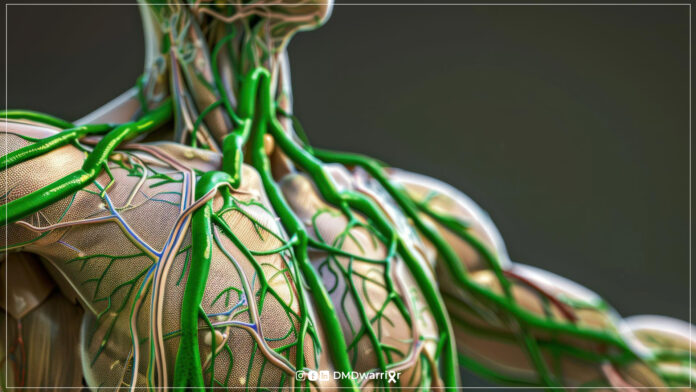
In two recent studies, a team of scientists under the guidance of Mendell Rimer, PhD, and Mariappan Muthuchamy, PhD, at the Texas A&M University Naresh K. Vashisht College of Medicine and Peter Nghiem, DVM, PhD, at the Texas A&M College of Veterinary Medicine and Biomedical Sciences, revealed that problems in the lymphatic network—which helps regulate fluid balance and immune function—may actively contribute to the development of Duchenne muscular dystrophy (DMD) and Amyotrophic lateral sclerosis (ALS).
The groundbreaking studies, published in Proceedings of the National Academy of Sciences (PNAS) and Disease Models and Mechanisms (DMM), show that lymphatic dysfunction may not simply be a side effect of chronic inflammation but a driving force behind disease progression. (DMM and PNAS)
“This is the first time the lymphatic system has been directly implicated in these diseases,” Muthuchamy said. “Our findings open new avenues for research and may eventually lead to novel diagnostic or therapeutic approaches.”
Duchenne muscular dystrophy, or DMD, affects about one in every 5,000 boys worldwide and causes severe muscle degeneration. While research has traditionally focused on muscle tissue itself, the Texas A&M team turned their attention to the lymphatic system, which circulates immune cells and clears waste. (What is Duchenne?)
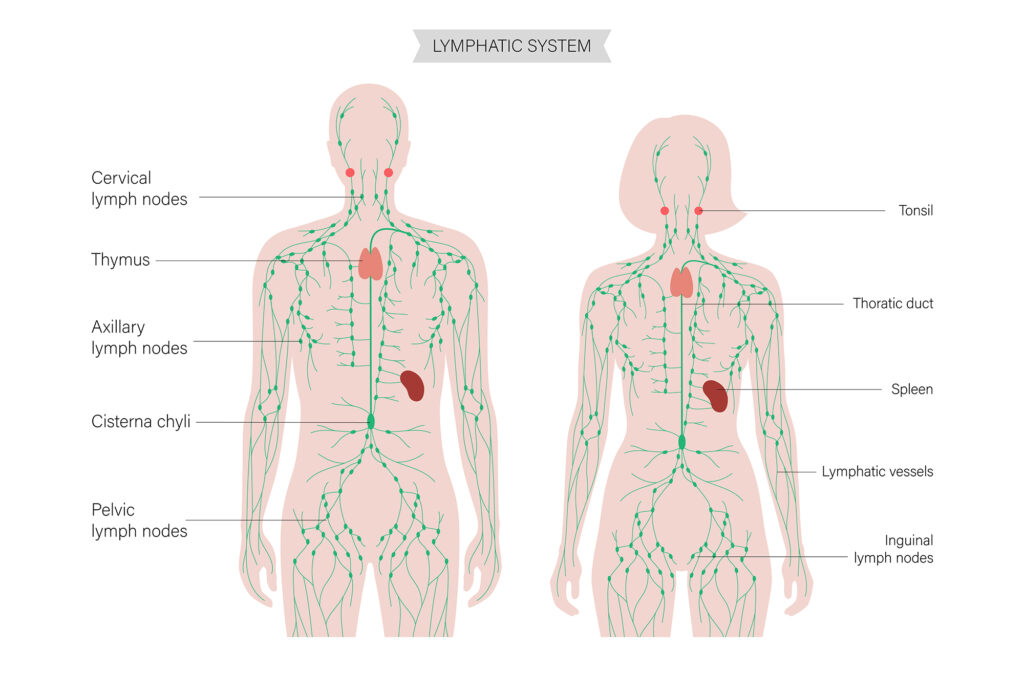
In the DMD study, led by postdoctoral scientist Bhuvaneshwaran Subramanian, PhD, and graduate students Shedreanna Johnson and Akshaya Narayanan, with senior contributions from Muthuchamy, Rimer and Peter P. Nghiem, the team discovered that the loss of dystrophin—the protein missing in DMD—disrupts lymphatic structure and function. These disruptions appear early, even before inflammation begins, suggesting that lymphatic malfunction might trigger the muscle damage seen in DMD.
Microscopy images revealed that lymphatic vessels in diseased animal models lose their normal alignment, showing disorganized fibers in their vessel walls. In some models DMD, treatment with microdystrophin—a smaller version of the dystrophin gene that helps improve muscle function—also reduced harmful inflammation and abnormal growth of lymphatic vessels. This finding shows that the lymphatic and muscle systems are closely linked, opening the door to new treatment possibilities for DMD.
“If we can restore lymphatic function, we may be able to reduce inflammation and slow disease progression,” Muthuchamy said. “It’s a completely new way of thinking about how these diseases develop and how we might treat them.”
Read More: Clinical Trials for Duchenne (List of All Researches)