

Duchenne muscular dystrophy (DMD) is a progressive genetic neuromuscular disorder characterized by muscle degeneration, weakness, and multi-system complications. As the disease advances, nutrition in Duchenne becomes one of the most important supportive therapies to maintain strength, support growth, protect heart and bone health, and prevent complications such as obesity, malnutrition, constipation, and swallowing difficulties. A well-planned diet in Duchenne can significantly influence overall health outcomes at every stage of the condition.
A carefully structured Duchenne Muscular Dystrophy diet recommendations plan can improve quality of life, reduce secondary health risks, and support long-term disease management. This comprehensive guide explores evidence-based principles of nutrition in Duchenne, practical meal planning strategies, and expert-informed approaches to optimizing a balanced and sustainable diet in Duchenne for children, adolescents, and adults living with DMD. Read More: FAQ in Duchenne
Table of Contents
Understanding the Role of Nutrition in Duchenne Muscular Dystrophy
DMD is caused by mutations in the dystrophin gene, leading to progressive muscle fiber breakdown. Although nutrition does not cure DMD, it plays a crucial role in:

- Supporting muscle maintenance
- Managing steroid-related side effects
- Protecting bone density
- Supporting heart health
- Preventing excessive weight gain or unintended weight loss
- Managing digestive complications
- Supporting immune function
Many individuals with DMD are treated with corticosteroids, which may increase appetite, promote weight gain, and reduce bone mineral density. Therefore, balanced nutrition and weight management in Duchenne are central components of care. Learn More: Nutritional Challenges in Duchenne
Duchenne Muscular Dystrophy Diet Recommendations
A well-balanced diet for DMD should focus on:
- Adequate protein intake
- Controlled calorie balance
- Low sodium intake
- Low-glycemic carbohydrates
- Adequate calcium and vitamin D
- Sufficient hydration and fiber
Nutritional needs vary depending on age, mobility level, steroid use, respiratory status, and disease progression.
High-Protein Diet for Duchenne Muscular Dystrophy
Protein is essential for muscle repair, immune function, and tissue maintenance. While DMD involves muscle degeneration, adequate protein helps preserve remaining muscle function.
Recommended Protein Intake
General guidance:
- 1.0–1.5 grams per kilogram of body weight per day (adjusted individually)
- May increase during illness or periods of muscle stress
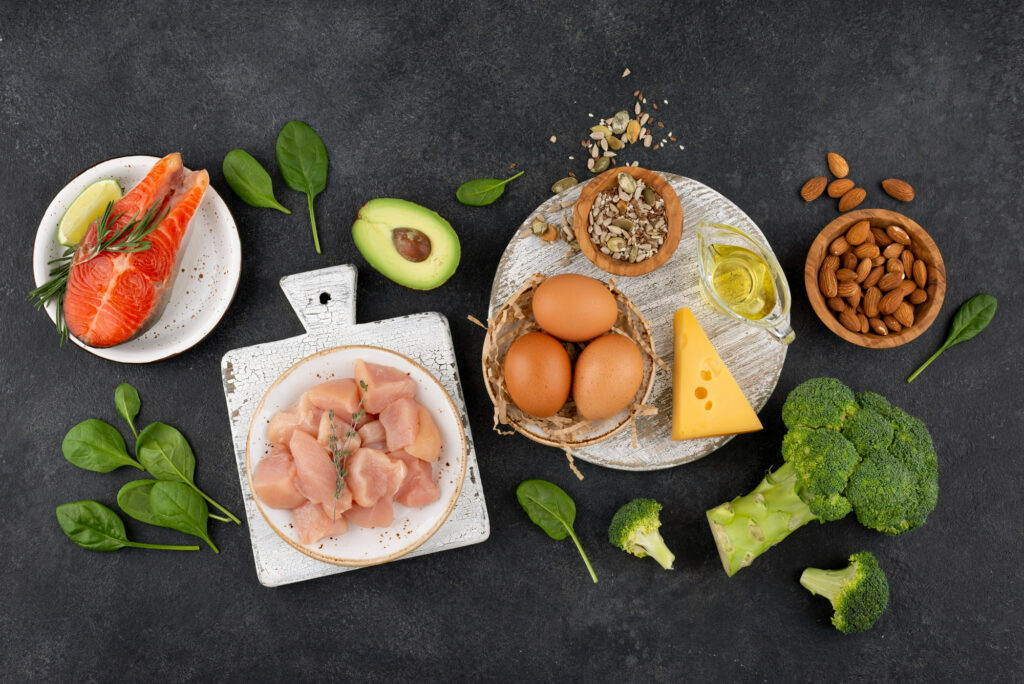
Best Protein Sources (Best Foods for Duchenne Muscular Dystrophy)
- Lean poultry (chicken, turkey)
- Fish (salmon, sardines)
- Eggs
- Turkish yogurt (or Greek)
- Cottage cheese
- Tofu and tempeh
- Lentils and beans
- Quinoa
- Nuts and seeds
A high-protein diet for Duchenne muscular dystrophy should emphasize lean, nutrient-dense sources rather than processed meats high in sodium.
Low-Glycemic Foods for Duchenne Muscular Dystrophy
Steroid therapy increases insulin resistance risk. Choosing low-glycemic foods for Duchenne muscular dystrophy helps maintain stable blood sugar and sustained energy.
Recommended Low-Glycemic Carbohydrates
- Steel-cut oats
- Brown rice
- Quinoa
- Sweet potatoes
- Lentils
- Chickpeas
- Whole grain bread
- Berries
- Apples
- Leafy greens
Low-glycemic foods prevent rapid spikes in blood sugar and reduce fatigue swings.
Low-Sodium Nutrition Plan for DMD
Cardiomyopathy is common in DMD. Reducing sodium supports heart health and blood pressure control.
Sodium Intake Goal
- Ideally below 1,500–2,000 mg per day (or as directed by cardiologist)
Foods to Avoid with DMD (High-Sodium Items)

- Processed meats (sausages, bacon)
- Canned soups (non-low-sodium versions)
- Frozen meals
- Salty snacks
- Fast food
- Packaged sauces
A low-sodium nutrition plan DMD protects cardiovascular function and reduces fluid retention.
Calcium and Vitamin D for DMD Bone Health
Steroids accelerate bone density loss and increase fracture risk.
Why Calcium and Vitamin D Matter
- Support bone mineralization
- Reduce osteoporosis risk
- Prevent fractures
Daily Targets (Consult Healthcare Provider)
- Calcium: 1,000–1,300 mg/day
- Vitamin D: 600–1,000 IU/day (may require supplementation)
Best Sources
- Dairy (milk, yogurt, cheese)
- Fortified plant milk
- Sardines
- Leafy greens
- Fortified cereals
Optimizing calcium and vitamin D for DMD bone health is essential for long-term mobility.
Balanced Nutrition and Weight Management in Duchenne
Weight challenges in DMD include:
- Obesity (common in steroid-treated ambulatory children)
- Malnutrition (common in later stages due to swallowing difficulty)
Preventing Obesity
- Portion control
- Low-glycemic carbohydrate choices
- Reduced sugary beverages
- Increased fiber intake
- Regular monitoring
Preventing Malnutrition
- Nutrient-dense snacks
- High-calorie smoothies
- Oral nutrition supplements (if prescribed)
- Modified texture diets
Balanced nutrition and weight management in Duchenne require continuous monitoring.
Hydration and Digestive Health in Duchenne Muscular Dystrophy
Constipation is extremely common due to:
- Reduced mobility
- Weak abdominal muscles
- Inadequate fiber
- Insufficient fluid intake
Learn More: Constipation in Duchenne
Hydration Guidelines
- Encourage consistent water intake
- Spread fluids throughout the day
- Monitor urine color (light yellow preferred)
Fiber Sources
- Oats
- Beans
- Fruits with skin
- Vegetables
- Chia seeds
- Ground flaxseed
Hydration and digestive health in Duchenne muscular dystrophy prevent discomfort and improve quality of life.
Foods to Avoid with DMD
Certain foods worsen complications:
Limit or Avoid:
- Sugary drinks
- Candy and desserts
- Fried foods
- High-sodium packaged foods
- Excess processed meats
- Refined white flour products
These increase inflammation, weight gain, and cardiovascular risk.
Best Foods for Duchenne Muscular Dystrophy
Nutrient-Dense Options
- Fatty fish (omega-3s for heart health)
- Leafy greens
- Berries
- Nuts and seeds
- Whole grains
- Lean proteins
- Turkish yogurt (or Greek)
- Sweet potatoes
These foods support immune function, bone health, and sustained energy.
Meal Planning Tips for Duchenne Muscular Dystrophy
Effective meal planning tips for Duchenne muscular dystrophy include:
1. Plan Weekly Menus
Reduce reliance on processed foods.
2. Batch Cooking
Prepare lean proteins and whole grains ahead.
3. Balanced Plate Method
- ½ vegetables
- ¼ lean protein
- ¼ whole grains
4. Texture Modifications (If Needed)
- Soft foods
- Pureed meals
- Thickened liquids (if prescribed)
5. Small Frequent Meals
Helpful in advanced DMD.
Sample 1-Day Meal Plan
Breakfast
- Scrambled eggs
- Whole grain toast
- Berries
- Milk or fortified plant milk
Snack
- Turkish yogurt with chia seeds
Lunch
- Grilled salmon
- Quinoa
- Steamed broccoli
Snack
- Apple with almond butter
Dinner
- Lean chicken
- Sweet potato
- Spinach salad
Hydration
- Water throughout the day
Nutrition in Advanced DMD
As swallowing difficulty develops:
- Consult speech therapist
- Modify textures
- Consider feeding tube (if medically advised)
- Monitor calorie intake closely
Preventing unintended weight loss becomes critical.
Frequently Asked Questions (FAQ)
Why is nutrition important for someone with Duchenne muscular dystrophy?
Nutrition supports muscle health, bone strength, heart function, weight management, and digestive health.
Is there a specific diet recommended for people with DMD?
There is no single “DMD diet,” but guidelines emphasize high-quality protein, low-glycemic carbohydrates, reduced sodium, and adequate calcium and vitamin D.
What foods should people with Duchenne muscular dystrophy eat?
Lean proteins, whole grains, leafy greens, berries, fatty fish, nuts, and dairy or fortified alternatives.
What foods should people with DMD avoid or limit?
Sugary beverages, processed foods, excess sodium, fried foods, and refined carbohydrates.
How much protein is needed in a Duchenne diet?
Typically 1.0–1.5 g/kg body weight per day, individualized by a dietitian.
Should people with Duchenne take supplements?
Calcium and vitamin D are commonly recommended, especially with steroid use. Read More: Nutraceuticals for Duchenne
How can I manage weight gain or obesity in DMD?
Control portions, emphasize low-glycemic foods, limit sugar, and consult a dietitian.
Can nutrition help prevent constipation?
Yes. Fiber and hydration are essential.
How should fluid intake be managed?
Encourage regular hydration; monitor urine color and bowel habits.
Does steroid use change nutritional needs?
Yes. It increases risk of weight gain, insulin resistance, and bone loss. Read More: Pros and Cons of Steroids (Cortisone)
What are the best carbohydrate sources?
Whole grains, legumes, vegetables, and fruits with fiber.
Is a high-protein or low-carb diet recommended?
Moderate protein and balanced carbohydrates are preferred over extreme diets.
How do swallowing difficulties affect nutrition?
Texture modification and possible feeding support may be required. Read More: Swallowing Difficulty (Dysphagia)
How can I help a child who struggles to finish meals?
Offer smaller portions more frequently and energy-dense foods.
Should meals be smaller and more frequent?
Yes, especially in advanced stages.
How can I prevent weight loss in advanced DMD?
Add calorie-dense foods and consult specialists.
Are there strategies for bone health?
Ensure adequate calcium, vitamin D, and weight monitoring.
Can diet affect fatigue?
Yes. Low-glycemic foods stabilize energy.
Is there a role for probiotics?
May support digestive health; consult healthcare provider.
How do I work with a dietitian?
Request referral to a neuromuscular clinic dietitian for personalized planning.
Final Thoughts
Proper nutrition in Duchenne is a powerful part of daily care. It supports muscle health and heart function. Smart food choices help manage weight changes. Balanced meals reduce steroid-related risks. Adequate protein protects remaining muscle strength. Calcium and vitamin D defend bone health. Hydration improves digestion and comfort. Low-sodium and low-glycemic foods stabilize energy. Personalized planning ensures long-term success. With expert guidance, nutrition in Duchenne improves quality of life.