
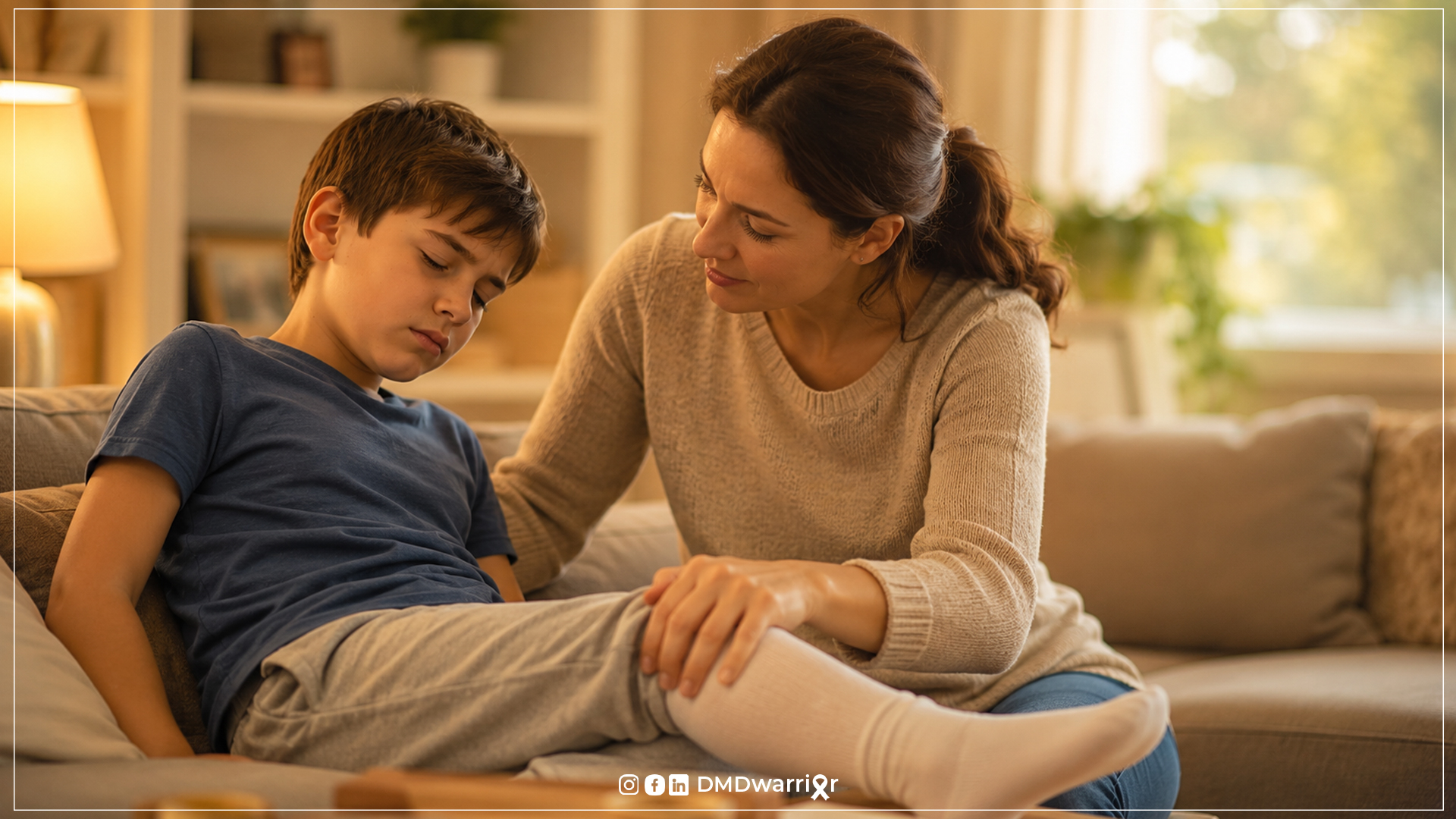
Living with Duchenne muscular dystrophy (DMD) involves far more than progressive muscle weakness. One of the most overlooked yet impactful aspects of the disease is pain. Effective pain management in Duchenne muscular dystrophy is essential for preserving quality of life, maintaining function, supporting mental well-being, and reducing the burden on both patients and caregivers. Although Duchenne muscular dystrophy is often characterized primarily by muscle degeneration and loss of mobility, research increasingly shows that pain is common across all stages of the disease. Therefore, managing pain in Duchenne muscular dystrophy should be considered a core component of comprehensive DMD care rather than an optional intervention.
Pain management in Duchenne muscular dystrophy can arise from multiple causes, including muscle fatigue, joint contractures, scoliosis, prolonged wheelchair use, postural abnormalities, orthopedic complications, respiratory issues, and reduced mobility. As the disease progresses, the location, frequency, and intensity of pain often change, requiring individualized assessment and treatment strategies. Studies have reported that between 54 and 80 percent of individuals with DMD experience persistent or recurrent pain, making it one of the most prevalent non-motor symptoms associated with the condition.
Table of Contents
Why Pain Occurs in Duchenne Muscular Dystrophy
Pain in Duchenne muscular dystrophy is complex and multifactorial. Unlike pain resulting from a single injury, DMD-related pain often develops gradually and may stem from several overlapping factors.

Progressive Muscle Degeneration
The absence of dystrophin causes muscle fibers to become fragile and susceptible to repeated damage. Over time, muscle tissue is replaced by fibrotic and fatty tissue, contributing to stiffness, reduced flexibility, and discomfort.
Contractures and Joint Stiffness
Contractures are among the most common causes of pain in DMD. As muscles weaken and shorten, joints lose their normal range of motion. Ankles, knees, hips, elbows, and wrists may become increasingly restricted, causing chronic musculoskeletal pain.
Scoliosis and Spinal Problems
As trunk muscles weaken, spinal curvature may develop. Scoliosis can lead to back pain, pelvic imbalance, sitting discomfort, and respiratory complications. Pain associated with scoliosis often becomes more prominent during the non-ambulatory stages of Duchenne muscular dystrophy.
Wheelchair-Related Discomfort
Many individuals with advanced DMD spend long periods seated in wheelchairs. Poor positioning, inadequate support, pressure points, and prolonged sitting may contribute to pain in the lower back, hips, pelvis, shoulders, and neck. Read More: Power Wheelchair in DMD
Overuse and Compensatory Movement Patterns
As certain muscle groups weaken, other muscles often compensate. This compensation can lead to muscle fatigue, strain, and repetitive stress injuries that contribute to chronic pain.

How Common Is Pain in Duchenne Muscular Dystrophy?
Historically, pain was considered a relatively minor issue in DMD. However, modern studies have challenged this assumption.
Research published by Kim et al. in 2022 found that approximately 45 percent of participants reported moderate pain during the previous month, regardless of disease stage. The study also demonstrated that pain characteristics change as DMD progresses, with ambulatory individuals more likely to experience calf pain and non-ambulatory individuals more likely to report back, abdominal, and sitting-related pain. Read More: Enlarged Calf Muscles in Duchenne
A systematic review by Silva et al. identified chronic pain as a frequent and underrecognized problem among individuals with Duchenne muscular dystrophy, affecting multiple body regions and significantly impacting daily life.
Additional studies have linked chronic pain with reduced quality of life, increased psychological distress, poorer sleep quality, and decreased participation in social activities.
Types of Pain in Duchenne Muscular Dystrophy
Understanding the type of pain experienced is essential for selecting appropriate interventions.
Acute Pain
Acute pain develops suddenly and is often associated with injury, surgery, infection, fractures, or other specific medical events.
Common Causes of Acute Pain
- Falls and trauma
- Fractures
- Surgical procedures
- Respiratory infections
- Gastrointestinal complications
Chronic Pain
Chronic pain persists for more than three months and often requires long-term management.
Common Sources of Chronic Pain
- Contractures
- Joint stiffness
- Scoliosis
- Postural abnormalities
- Muscle fatigue
- Wheelchair-related pressure discomfort
Neuropathic Pain
Although less common, nerve-related pain may occur due to nerve compression, spinal issues, or secondary complications.
Characteristics of Neuropathic Pain
- Burning sensations
- Tingling
- Numbness
- Electric shock-like sensations
Pain Patterns Across Different Stages of DMD
Early Ambulatory Stage
Children who are still walking often experience pain in the calves, ankles, and lower extremities. Walking, climbing stairs, and physical exertion may aggravate symptoms.
Late Ambulatory Stage
As mobility declines, increasing muscle weakness contributes to fatigue-related discomfort and compensatory movement patterns.
Early Non-Ambulatory Stage
Pain often shifts toward the hips, pelvis, lower back, and spine. Contractures may become more prominent.
Late Non-Ambulatory Stage
Individuals may experience daily pain associated with prolonged sitting, scoliosis, positioning difficulties, and pressure-related discomfort. Research suggests that pain frequency tends to increase during this stage.
Learn More: Age-Specific Care in Duchenne
Assessing Pain in Duchenne Muscular Dystrophy
Accurate assessment is a crucial step in pain management in Duchenne muscular dystrophy.
Healthcare providers often evaluate:
- Pain intensity
- Pain frequency
- Pain duration
- Pain location
- Aggravating factors
- Relieving factors
- Impact on sleep
- Impact on mood
- Impact on daily activities
Pain Assessment Tools
Numeric Rating Scale
Patients rate pain from 0 to 10.
Wong-Baker FACES Scale
Particularly useful for children.
Pain Diaries
Tracking symptoms over time helps identify triggers and evaluate treatment effectiveness.
Physical Therapy and Pain Management
Physical therapy remains one of the most effective non-pharmacological approaches for managing pain in Duchenne muscular dystrophy.
Stretching Programs
Daily stretching can help:
- Maintain joint mobility
- Reduce contracture formation
- Improve comfort
- Support positioning
Range-of-Motion Exercises
Regular range-of-motion exercises help preserve flexibility and minimize stiffness.
Positioning Strategies
Proper positioning in beds, wheelchairs, and seating systems can reduce pressure-related discomfort.
Manual Therapy and Massage
Some individuals benefit from gentle massage techniques that help reduce muscle tension and promote relaxation.
Important Considerations
Massage should always be performed by trained professionals familiar with neuromuscular disorders.
Learn More: Physical Therapy in DMD
Occupational Therapy and Adaptive Equipment
Occupational therapists play a key role in managing pain in Duchenne muscular dystrophy.
Equipment Modifications
Appropriate equipment may include:
- Customized wheelchair seating
- Pressure-relieving cushions
- Adjustable beds
- Standing frames
- Orthotic devices
Environmental Adaptations
Home modifications may reduce strain and improve comfort during daily activities.
Learn More: Occupational Therapy in DMD
Medical Approaches to Pain Management
When non-pharmacological interventions are insufficient, medications may be necessary.
Non-Opioid Analgesics
Healthcare providers may recommend (Consult a neuromuscular specialist before using them):
- Acetaminophen
- Nonsteroidal anti-inflammatory drugs (NSAIDs)
Neuropathic Pain Medications
Certain medications may be prescribed when nerve-related pain is suspected.
Individualized Treatment Planning
Medication selection should always be individualized and supervised by physicians familiar with Duchenne muscular dystrophy.
The Role of Orthopedic Pain Management in Duchenne
Orthopedic complications contribute significantly to DMD-related pain.
Contracture Management
Treatment options may include:
- Stretching programs
- Orthoses
- Night splints
- Surgical interventions when necessary
Scoliosis Monitoring
Regular spinal evaluations are essential.
Benefits of Early Intervention
- Reduced pain
- Improved posture
- Better respiratory function
- Enhanced sitting tolerance
Respiratory Issues and Pain
Respiratory complications may indirectly contribute to pain and discomfort.
Sleep-Disordered Breathing
Poor sleep can worsen pain perception and increase fatigue.
Positioning Challenges
Breathing difficulties may limit comfortable positioning during sleep.
Learn More: Respiratory Health Care in DMD
Sleep and Pain: A Two-Way Relationship
Research consistently demonstrates a strong relationship between pain and sleep disturbances.
Poor sleep may:
- Increase pain sensitivity
- Reduce coping ability
- Worsen fatigue
- Affect emotional well-being
Similarly, chronic pain may make it difficult to fall asleep or remain asleep.
Improving Sleep Quality
Strategies include:
- Consistent sleep schedules
- Comfortable positioning
- Appropriate respiratory support
- Pain management before bedtime
Psychological Aspects of Pain in DMD
Pain is not solely a physical experience.
Anxiety and Pain
Persistent pain can contribute to anxiety and stress. Read More: Stress and Anxiety in DMD
Depression and Chronic Pain
Chronic discomfort may negatively affect mood and social participation.
Social Isolation
Pain-related limitations can reduce opportunities for recreation and social engagement.
Psychological Support
Mental health professionals can help patients develop coping strategies and resilience.
Learn More: Psychological Support in DMD
Dental Pain Management in Duchenne Muscular Dystrophy
Oral health plays an important role in overall well-being, yet dental pain is often overlooked in individuals with Duchenne muscular dystrophy (DMD). As mobility decreases and daily self-care becomes more challenging, maintaining good oral hygiene may require additional support from caregivers and healthcare professionals. Untreated dental problems can lead to significant discomfort, difficulty eating, sleep disturbances, behavioral changes, and reduced quality of life.
Because individuals with DMD may have limited jaw mobility, weakened facial muscles, prolonged corticosteroid use, and difficulties with oral hygiene routines, they may be at increased risk for certain dental complications. Early prevention and prompt treatment are essential components of comprehensive pain management in Duchenne muscular dystrophy.
Common Causes of Dental Pain in Duchenne Muscular Dystrophy
Dental pain in DMD can arise from many of the same conditions that affect the general population, but some factors may increase vulnerability.
Tooth Decay (Dental Caries)
Tooth decay is one of the most common causes of dental pain. Plaque buildup, difficulties with brushing and flossing, and frequent consumption of soft or carbohydrate-rich foods may increase the risk of cavities.
Symptoms may include:
- Tooth sensitivity
- Pain when chewing
- Pain triggered by hot or cold foods
- Persistent toothache
Gum Disease
Inflammation of the gums can cause discomfort, bleeding, and tenderness. If left untreated, gum disease may progress and contribute to tooth loss and chronic oral pain.
Dental Abscesses
Untreated infections can result in abscess formation, causing severe pain, swelling, fever, and difficulty eating. Dental abscesses require prompt medical attention.
Wisdom Teeth Problems
Impacted or partially erupted wisdom teeth may cause pain, swelling, infection, and difficulty opening the mouth.
Temporomandibular Joint (TMJ) Disorders
Changes in muscle strength and jaw function may occasionally contribute to discomfort in the jaw joint, particularly during chewing or speaking.
Challenges of Dental Care in Duchenne Muscular Dystrophy
Individuals with DMD may face unique barriers to maintaining oral health.
Limited Hand and Arm Function
As upper limb weakness progresses, independent brushing and flossing may become difficult. Caregiver assistance may be necessary to maintain effective oral hygiene.
Reduced Mouth Opening
Some individuals develop limited jaw mobility, making dental examinations and treatments more challenging.
Positioning Difficulties
Long dental appointments may be uncomfortable due to scoliosis, contractures, respiratory issues, or prolonged sitting.
Anxiety and Sensory Concerns
Fear of dental procedures may increase stress and make pain management more difficult.
Preventing Dental Pain in Duchenne Muscular Dystrophy
Preventive care remains the most effective strategy for avoiding dental pain.
Daily Oral Hygiene
Families should encourage:
- Brushing teeth twice daily with fluoride toothpaste
- Daily flossing when possible
- Cleaning of all tooth surfaces
- Regular replacement of toothbrushes
Regular Dental Checkups
Routine dental visits can help identify problems before they become painful or require extensive treatment.
Recommended Frequency
Most individuals should undergo dental examinations every six months, although some patients may benefit from more frequent monitoring.
Healthy Dietary Habits
Limiting sugary drinks and snacks can help reduce the risk of cavities and gum disease.
Fluoride Protection
Fluoride treatments and fluoride-containing products may strengthen tooth enamel and reduce the risk of decay.
Managing Dental Pain in Duchenne Muscular Dystrophy
When dental pain occurs, prompt evaluation is important to identify and address the underlying cause.
Professional Dental Treatment
Treatment options may include:
- Dental fillings
- Root canal therapy
- Professional cleanings
- Antibiotics for infection
- Tooth extraction when necessary
Pain Relief Measures
Dentists and physicians may recommend pain-relieving medications that are appropriate for the individual’s age, medical condition, and overall treatment plan.
Important Considerations
Families should always consult healthcare professionals before administering medications, particularly if the individual has cardiac, respiratory, or other medical complications associated with DMD.
Supportive Home Measures
Temporary relief strategies may include:
- Maintaining good oral hygiene
- Avoiding extremely hot or cold foods
- Consuming soft foods when chewing is painful
- Following the dentist’s treatment recommendations
Special Considerations During Dental Procedures
Dental professionals should be informed that the patient has Duchenne muscular dystrophy before any procedure.
Respiratory Considerations
Individuals with advanced DMD may have respiratory muscle weakness that affects positioning and procedural planning.
Cardiac Considerations
Cardiac involvement is common in Duchenne muscular dystrophy and may influence treatment decisions, anesthesia planning, and medication selection.
Sedation and Anesthesia
Any sedation or anesthesia should be carefully planned by healthcare providers experienced in neuromuscular disorders.
When Should Families Seek Immediate Dental Care?
Prompt dental evaluation is recommended if an individual with DMD experiences:
- Severe tooth pain
- Facial swelling
- Fever associated with dental symptoms
- Difficulty swallowing
- Difficulty breathing
- Signs of dental infection
- Persistent bleeding from the gums
Early treatment can prevent complications and significantly improve comfort and quality of life.
Learn More: Dental Health in Duchenne
Multidisciplinary Care: The Gold Standard
Successful pain management in Duchenne muscular dystrophy typically requires collaboration among multiple specialists.
Members of the Care Team
Neurologist
Oversees overall DMD management.
Physical Therapist
Develops mobility and stretching programs.
Occupational Therapist
Addresses functional limitations and adaptive equipment needs.
Orthopedic Specialist
Monitors scoliosis and contractures.
Pulmonologist
Manages respiratory health.
Pain Specialist
Provides advanced pain management strategies.
Psychologist or Counselor
Supports emotional well-being.
Learn More: Multidisciplinary Care in DMD
Daily Strategies for Managing Pain in Duchenne Muscular Dystrophy
Families can implement practical strategies to reduce discomfort.
Stay Hydrated
Adequate hydration may reduce headaches, constipation, and general discomfort.
Maintain Good Nutrition
Balanced nutrition supports overall health and may reduce secondary complications. Read More: Nutrition Plan for Duchenne
Encourage Safe Physical Activity
Appropriate movement helps maintain flexibility and function.
Monitor Equipment Fit
Wheelchairs, braces, and seating systems should be regularly evaluated.
Prioritize Emotional Health
Open communication about pain can improve treatment outcomes.
Track Symptoms
Keeping a pain diary helps identify trends and treatment responses.
Future Directions in DMD Pain Management
Pain management research in Duchenne muscular dystrophy continues to evolve.
Emerging areas of interest include:
- Improved pain assessment tools
- Digital monitoring technologies
- Personalized rehabilitation programs
- Advanced seating and positioning systems
- Integrative pain management approaches
As life expectancy improves for individuals with DMD, long-term pain management will become an increasingly important component of care.
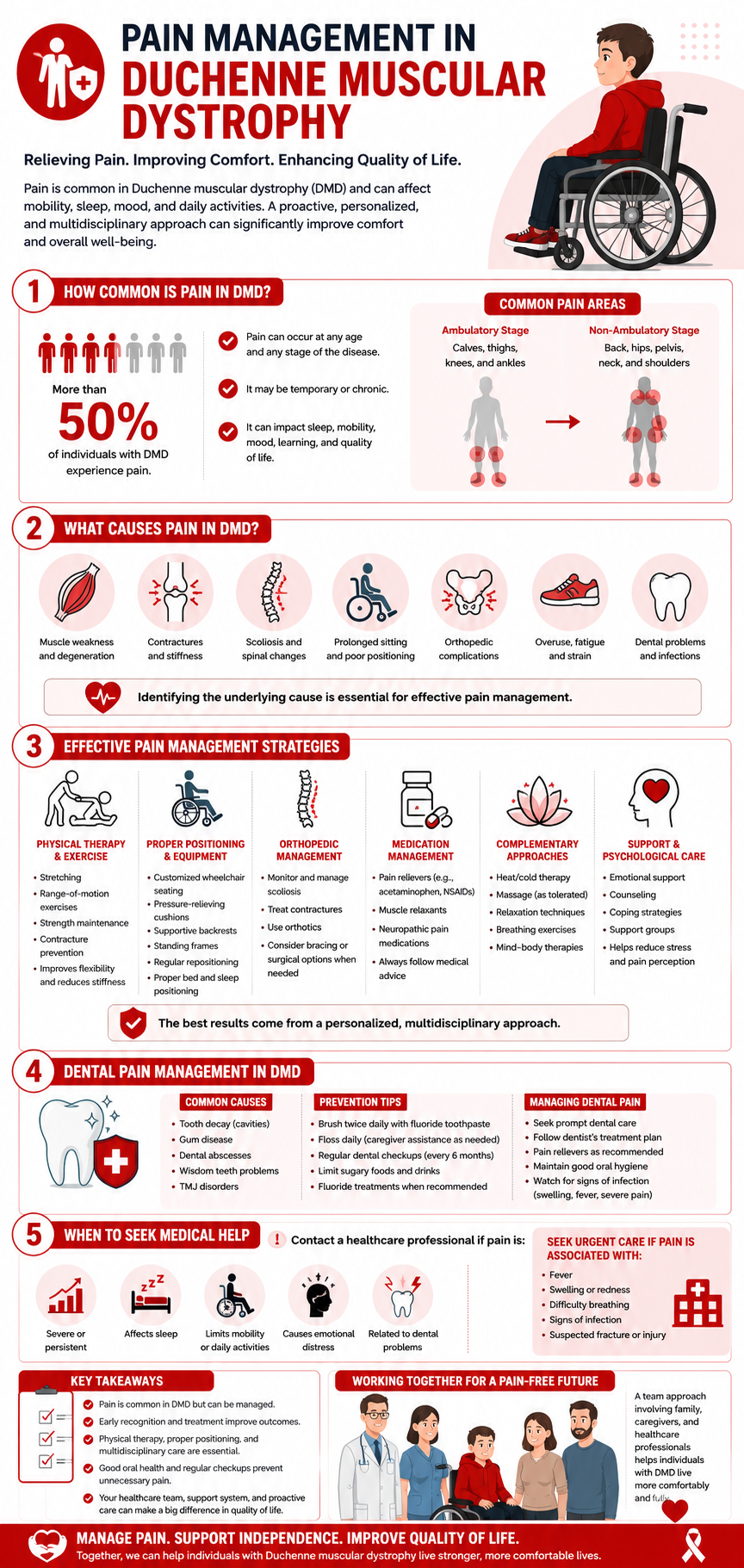
FAQs: Pain Management in Duchenne Muscular Dystrophy
Is pain common in Duchenne muscular dystrophy?
Yes. Pain is one of the most common non-motor symptoms of Duchenne muscular dystrophy (DMD).
Key facts:
• More than half of individuals with DMD experience pain during their lifetime.
• Pain can occur at any stage of the disease.
• Common causes include muscle weakness, contractures, scoliosis, poor positioning, and prolonged sitting.
• Pain may affect sleep, mobility, mood, school participation, and overall quality of life.
• Regular pain assessments should be part of routine DMD care.
What causes pain in Duchenne muscular dystrophy?
Pain in DMD is often caused by multiple factors rather than a single problem.
Common causes include:
• Progressive muscle degeneration
• Joint contractures and stiffness
• Scoliosis and spinal deformities
• Muscle fatigue and overuse
• Prolonged wheelchair use
• Poor posture and positioning
• Pressure-related discomfort
• Orthopedic complications
• Dental problems and oral infections
Why this matters:
• Identifying the cause of pain helps healthcare providers choose the most effective treatment strategy.
How can pain be managed in Duchenne muscular dystrophy?
Pain management usually requires a personalized and multidisciplinary approach.
Effective strategies include:
• Daily stretching programs
• Physical therapy
• Occupational therapy
• Proper wheelchair positioning
• Adaptive seating systems
• Orthotic devices and splints
• Management of scoliosis and contractures
• Appropriate pain medications when needed
• Psychological support and coping strategies
Learn More: Age-Based Assistive Devices for Duchenne
Best results are achieved when:
• Pain is addressed early.
• Treatments are tailored to the individual’s needs.
• Families work closely with the healthcare team.
Does pain get worse as Duchenne muscular dystrophy progresses?
Pain patterns often change as DMD progresses.
During the ambulatory stage:
• Pain commonly affects the calves and lower legs.
• Physical activity may trigger discomfort.
During the non-ambulatory stage:
• Pain more often affects the back, hips, pelvis, neck, and shoulders.
• Sitting-related discomfort becomes more common.
• Scoliosis and contractures may contribute to chronic pain.
Important note:
• Not every individual experiences worsening pain, but ongoing monitoring is essential.
Can physical therapy help reduce pain in DMD?
Yes. Physical therapy is one of the most effective non-drug treatments for DMD-related pain.
Benefits of physical therapy include:
• Improved flexibility
• Reduced muscle stiffness
• Better joint mobility
• Contracture prevention
• Improved posture
• Enhanced comfort during daily activities
• Reduced risk of secondary complications
Common techniques include:
• Stretching exercises
• Range-of-motion exercises
• Positioning programs
• Gentle mobility training
What is the best sleeping position for someone with DMD and pain?
The ideal sleeping position varies depending on mobility, respiratory status, and individual comfort.
Helpful strategies include:
• Using supportive pillows
• Maintaining proper body alignment
• Reducing pressure on painful joints
• Using pressure-relieving mattresses
• Adjusting bed positioning when necessary
• Following recommendations from healthcare professionals
Potential benefits:
• Better sleep quality
• Less nighttime discomfort
• Reduced pressure-related pain
• Improved overall well-being
Can wheelchair positioning reduce pain in Duchenne muscular dystrophy?
Yes. Proper wheelchair positioning is a critical part of pain prevention and management.
Benefits of good positioning include:
• Reduced pressure on the spine and pelvis
• Improved sitting comfort
• Better posture
• Less neck and shoulder strain
• Reduced risk of skin breakdown
• Lower risk of chronic musculoskeletal pain
Helpful equipment may include:
• Customized seating systems
• Pressure-relieving cushions
• Adjustable back supports
• Headrests and positioning accessories
Does scoliosis cause pain in Duchenne muscular dystrophy?
Yes. Scoliosis can contribute significantly to pain and discomfort.
Common symptoms include:
• Back pain
• Pelvic discomfort
• Uneven sitting posture
• Muscle fatigue
• Difficulty maintaining comfortable positioning
Management options may include:
• Regular orthopedic monitoring
• Customized seating support
• Physical therapy
• Surgical intervention when appropriate
Early detection can help:
• Reduce pain
• Improve posture
• Support respiratory function
• Enhance quality of life
Can dental problems cause pain in Duchenne muscular dystrophy?
Absolutely. Oral health issues can be an important source of pain in individuals with DMD.
Common dental causes of pain include:
• Tooth decay
• Gum disease
• Dental abscesses
• Wisdom tooth complications
• Jaw and TMJ disorders
Prevention strategies include:
• Brushing twice daily
• Regular dental examinations
• Fluoride use
• Caregiver assistance when needed
• Early treatment of oral health problems
Benefits of good oral health:
• Less pain and discomfort
• Better nutrition
• Improved sleep
• Enhanced quality of life
When should families seek medical help for pain in DMD?
Medical advice should be sought whenever pain becomes severe, persistent, or interferes with daily life.
Contact a healthcare professional if pain:
• Is severe or worsening
• Lasts for an extended period
• Affects sleep
• Limits mobility
• Interferes with eating or daily activities
• Causes emotional distress
Seek urgent medical attention if pain is associated with:
• Fever
• Swelling
• Breathing difficulties
• Suspected fracture
• Signs of infection
• Sudden unexplained symptoms
Early intervention can:
• Improve comfort
• Prevent complications
• Enhance treatment outcomes
• Support long-term quality of life
Conclusion
Pain is one of the most common yet underrecognized challenges faced by individuals with Duchenne muscular dystrophy. Effective pain management in Duchenne muscular dystrophy requires early recognition, ongoing assessment, multidisciplinary care, and individualized treatment plans. Whether addressing contractures, scoliosis, wheelchair-related discomfort, sleep disturbances, or emotional health, managing pain in Duchenne muscular dystrophy is essential for improving comfort, preserving independence, and enhancing overall quality of life. As awareness grows and research advances, healthcare providers and families can work together to ensure that pain receives the attention it deserves as a critical component of comprehensive Duchenne care.
Academic Sources and References
- Birnkrant DJ, Bushby K, Bann CM, et al. Diagnosis and Management of Duchenne Muscular Dystrophy. The Lancet Neurology.
- Kim A, Park M, Shin HI. Pain Characteristics Among Individuals With Duchenne Muscular Dystrophy According to Their Clinical Stage. BMC Musculoskeletal Disorders. 2022;23:104.
- Silva TD, Massetti T, Crocetta TB, et al. Pain Characterization in Duchenne Muscular Dystrophy. Arquivos de Neuro-Psiquiatria. 2016;74(9):767-774.
- Lager C, Kroksmark AK. Pain in Adolescents With Duchenne Muscular Dystrophy and Its Impact on Physical Function and Quality of Life. European Journal of Paediatric Neurology. 2015;19(6):705-713.
- Pangalila RF, van den Bos GA, Stam HJ, et al. Subjective Quality of Life in Adults With Duchenne Muscular Dystrophy. Disability and Rehabilitation. 2015;37(17):1576-1583.
- Hendriksen JGM, Vles JSH. Neuropsychiatric Disorders in Males With Duchenne Muscular Dystrophy: Frequency Rate of Attention-Deficit Hyperactivity Disorder (ADHD), Autism Spectrum Disorder, and Obsessive-Compulsive Disorder. Journal of Child Neurology. 2008;23(5):477-481.
- Matsumoto H, Nagura M, Saito T, et al. Pain and Quality of Life in Patients With Duchenne Muscular Dystrophy. Brain and Development. 2017;39(7):589-595.
- Apkon SD, Alman BA, Birnkrant DJ, et al. Orthopedic and Surgical Management of the Patient With Duchenne Muscular Dystrophy. Pediatrics. 2018;142(Suppl 2):S82-S89.
- Allen HD, Thrush PT, Hoffman TM, et al. Cardiac Management in Duchenne Muscular Dystrophy: Contemporary Recommendations. Pediatrics. 2018;142(Suppl 2):S72-S81.
- Birnkrant DJ, Panitch HB, Benditt JO, et al. Respiratory Management of the Patient With Duchenne Muscular Dystrophy. Pediatrics. 2018;142(Suppl 2):S62-S71.
- Eagle M, Baudouin SV, Chandler C, et al. Survival in Duchenne Muscular Dystrophy: Improvements in Life Expectancy Since 1967 and the Impact of Home Nocturnal Ventilation. Neuromuscular Disorders. 2002;12(10):926-929.
- Bushby K, Finkel R, Birnkrant DJ, et al. Diagnosis and Management of Duchenne Muscular Dystrophy: A Multidisciplinary Approach. The Lancet Neurology. 2010;9(1):77-93.
- Mercuri E, Bonnemann CG, Muntoni F. Muscular Dystrophies. The Lancet. 2019;394(10213):2025-2038.