
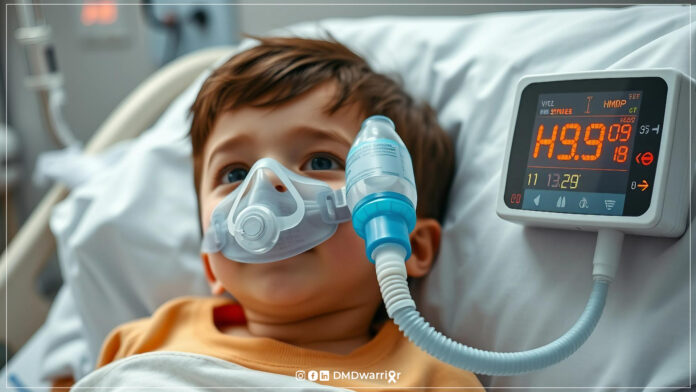
Living with Duchenne muscular dystrophy (DMD) comes with many daily challenges, and breathing difficulties during sleep are among the most significant. As respiratory muscles weaken over time, nighttime breathing support becomes essential. One of the most effective and commonly prescribed treatments is a BiPAP machine.
If you or a loved one has recently been prescribed a BiPAP device, adjusting to it may feel overwhelming at first. This detailed guide explains what a BiPAP machine is, why it’s used for DMD, and practical tips to help you adapt comfortably for better sleep and improved quality of life.
Table of Contents
What Is a BiPAP Machine?
A BiPAP (Bilevel Positive Airway Pressure) machine is a non-invasive ventilation device that helps individuals breathe more easily, especially during sleep.

Unlike a CPAP machine (Continuous Positive Airway Pressure), a BiPAP provides two levels of air pressure:
- Higher pressure when you inhale (IPAP) – to assist weakened breathing muscles
- Lower pressure when you exhale (EPAP) – to make breathing out more comfortable
The machine delivers pressurized air through a mask that fits over the nose or nose and mouth. For people with DMD, this support reduces the strain on respiratory muscles that have become too weak to function effectively on their own.
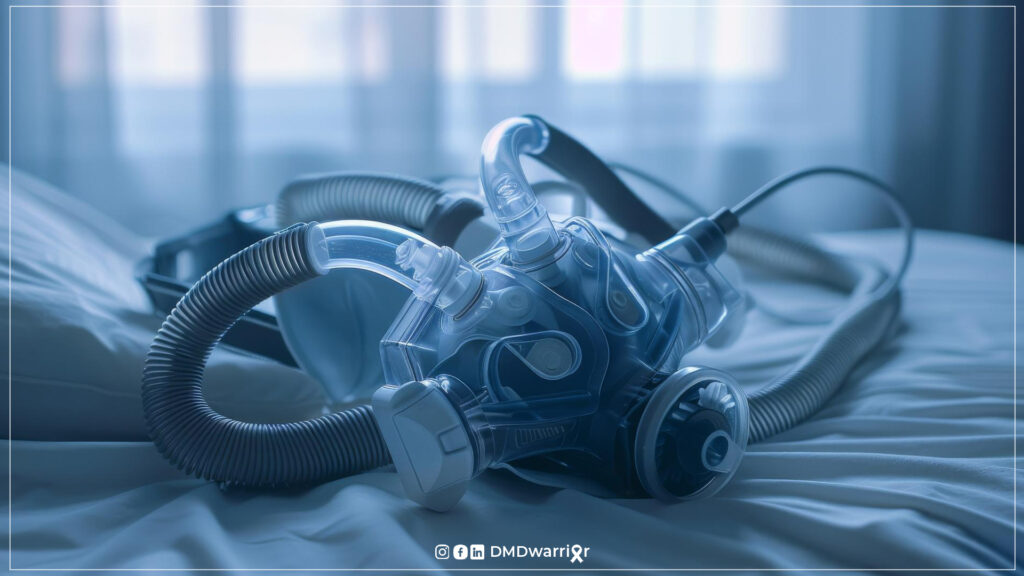
What is the Difference Between CPAP and BiPAP?
A CPAP (Continuous Positive Airway Pressure) machine delivers one constant level of air pressure throughout both inhalation and exhalation, while a BiPAP (Bilevel Positive Airway Pressure) machine provides two different pressure levels—higher during inhalation and lower during exhalation—making BiPAP more comfortable for people with weakened breathing muscles or certain respiratory conditions, whereas CPAP is most commonly used for obstructive sleep apnea.
Why Use BiPAP for Duchenne Muscular Dystrophy?
In Duchenne muscular dystrophy, progressive muscle weakness eventually affects the diaphragm and other breathing muscles. This can lead to:
- Shallow breathing during sleep
- Nighttime oxygen drops
- Carbon dioxide buildup (hypercapnia)
- Frequent awakenings
- Morning headaches
- Daytime fatigue
BiPAP therapy helps by:
Improving Oxygen Levels
It ensures enough air reaches the lungs, reducing nighttime oxygen desaturation.
Removing Carbon Dioxide
By supporting ventilation, BiPAP prevents dangerous CO₂ retention.
Enhancing Sleep Quality
Fewer breathing interruptions mean deeper, more restorative sleep.
Reducing Daytime Fatigue
Better sleep leads to improved alertness and energy.
Supporting Long-Term Health
Consistent use can reduce respiratory complications and hospitalizations.
For many individuals with DMD, starting BiPAP at night significantly improves overall well-being and longevity.
Tips for Getting Used to a BiPAP Machine
Adjusting to a BiPAP machine takes patience, but most users adapt successfully with time and the right strategies.
Start Slowly
If wearing the mask all night feels uncomfortable at first:
- Wear it for short periods during the day while watching TV or reading.
- Practice breathing with the machine on before bedtime.
Gradual exposure reduces anxiety and builds comfort.
Ensure Proper Mask Fit
Mask discomfort is one of the most common complaints.
- Make sure the mask is snug but not overly tight.
- Try different mask styles (nasal mask, full-face mask, nasal pillows).
- Check for air leaks.
A respiratory therapist can help find the best fit.
Use the Ramp Feature
Most BiPAP machines have a “ramp” setting that:
- Starts with lower pressure
- Gradually increases to prescribed levels
This makes falling asleep easier and less overwhelming.
Prevent Dryness and Irritation
Pressurized air can dry out the nose and throat.
- Use a heated humidifier attachment.
- Consider saline nasal spray if dryness persists.
- Keep the mask clean to prevent skin irritation.
Establish a Relaxing Bedtime Routine
Creating a calming nighttime environment helps your body associate BiPAP use with rest.
- Dim lights before bed
- Avoid screens 30–60 minutes before sleep
- Maintain a consistent sleep schedule
Routine improves adaptation.
Address Anxiety Early
Feeling claustrophobic or anxious is normal in the beginning.
- Practice slow, controlled breathing.
- Wear the mask while awake to desensitize yourself.
- Talk to your healthcare provider if anxiety persists.
In some cases, pressure settings may need adjustment.
Monitor for Signs of Improvement
Many users notice positive changes within weeks:
- Fewer morning headaches
- Less daytime sleepiness
- Improved concentration
- Better mood
Tracking these improvements can boost motivation to continue therapy.
Maintain Regular Equipment Care
Clean equipment works better and feels more comfortable.
- Wash the mask daily.
- Replace filters as recommended.
- Inspect tubing for wear and tear.
Proper maintenance prevents infections and improves airflow quality.
Common Challenges and How to Overcome Them
| Challenge | Solution |
|---|---|
| Air leaks | Refit mask or adjust straps |
| Skin irritation | Use mask liners or adjust fit |
| Difficulty exhaling | Consult provider about pressure settings |
| Feeling bloated (aerophagia) | Pressure adjustments may help |
| Noise concerns | Place machine on stable surface and check filters |
Never adjust medical settings without consulting your healthcare team.
The Importance of Early Intervention in DMD
Respiratory monitoring is a crucial part of managing Duchenne muscular dystrophy. Pulmonary function tests and sleep studies often guide the timing of BiPAP initiation.
Starting non-invasive ventilation early—before severe symptoms develop—can:
- Preserve lung function longer
- Reduce emergency respiratory events
- Improve overall quality of life
Close collaboration with neurologists and pulmonologists ensures optimal outcomes.
Emotional and Caregiver Support
For families and caregivers, introducing BiPAP therapy can feel intimidating. Open communication, education, and patience make the transition smoother.
Encouragement and reassurance play a powerful role in long-term adherence. Many families report that once the adjustment period passes, BiPAP becomes a normal and manageable part of nightly routine.
Learn More: Lifetime Care of Duchenne Muscular Dystrophy
Frequently Asked Questions (FAQ)
Is BiPAP therapy painful?
No. BiPAP therapy is non-invasive and should not be painful. Some initial discomfort is normal, but proper mask fitting and pressure adjustments resolve most issues.
How long does it take to get used to a BiPAP machine?
Most people adapt within a few weeks. Gradual exposure and consistent nightly use speed up the adjustment process.
Can someone with DMD use BiPAP during the day?
Yes. As respiratory weakness progresses, some individuals may use BiPAP during daytime naps or extended periods. A physician will determine the appropriate schedule.
What happens if BiPAP is not used in DMD?
Without adequate ventilation support, carbon dioxide can build up, leading to headaches, fatigue, sleep disturbances, and potentially serious respiratory complications.
Does BiPAP cure breathing problems in Duchenne muscular dystrophy?
No, BiPAP does not cure DMD. However, it significantly manages respiratory symptoms and improves quality of life.
Is BiPAP better than CPAP for DMD?
Yes. BiPAP is typically preferred because it provides two pressure levels, making it more suitable for muscle weakness-related breathing problems rather than obstructive sleep apnea alone.
How often should BiPAP equipment be replaced?
Masks, tubing, and filters should be replaced according to manufacturer and provider recommendations—usually every few months for optimal hygiene and performance.
Final Thoughts
If you or your loved one has recently started BiPAP therapy for DMD, remember: adjustment takes time, but the long-term benefits for sleep, energy, and respiratory health are significant. With proper support and consistent use, better nights—and brighter days—are absolutely possible.
Read More: Best Respiratory Devices for Duchenne Muscular Dystrophy Patients