
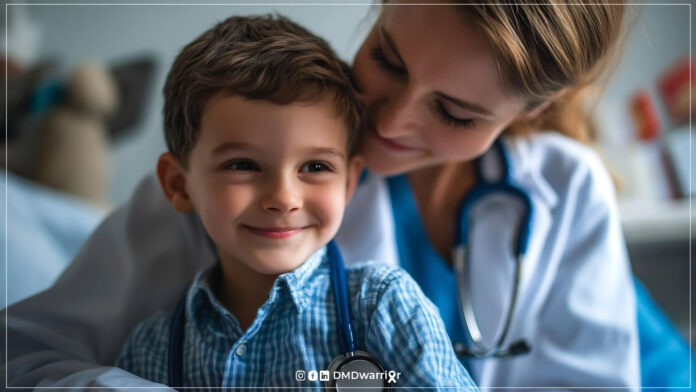
Duchenne muscular dystrophy is a progressive genetic condition that affects muscle strength and function over time. As the condition advances, families often begin exploring Palliative Care in Duchenne muscular dystrophy (DMD) to improve comfort, manage symptoms, and support quality of life.
This comprehensive guide explains:
- What palliative care means for DMD
- Symptom management in palliative care for Duchenne muscular dystrophy
- What hospice care is and when it is appropriate
- Whether palliative care extends the lifespan of DMD patients
- Key benefits of palliative care for DMD patients and their families
Table of Contents
Understanding Duchenne Muscular Dystrophy (DMD)
Duchenne muscular dystrophy is a rare X-linked genetic disorder caused by mutations in the dystrophin gene. It primarily affects boys and leads to progressive muscle weakness beginning in early childhood.

Over time, DMD affects:
- Skeletal muscles
- Respiratory muscles
- Cardiac muscle
- Swallowing and mobility
- Emotional and psychological well-being
Modern treatments, including corticosteroids, cardiac medications, assisted ventilation, and multidisciplinary care, have significantly improved life expectancy into adulthood. However, DMD remains a life-limiting condition — which is where palliative care becomes essential.
What Is Palliative Care in Duchenne Muscular Dystrophy?
Palliative care is specialized medical care focused on relief from symptoms, pain, and stress of serious illness. It can be provided at any stage of DMD, not only at end of life.
Important:
Palliative care is not the same as hospice care and does not mean stopping treatment.
For DMD patients, palliative care works alongside:
- Neurology teams
- Cardiology specialists
- Pulmonologists
- Physical therapy providers
- Mental health professionals
The primary goal is quality of life optimization for both the patient and the family.
Symptom Management in Palliative Care for Duchenne Muscular Dystrophy
Symptom management is one of the core pillars of Palliative Care.
As DMD progresses, patients may experience:
Pain and Musculoskeletal Discomfort
- Joint contractures
- Back pain from scoliosis
- Muscle stiffness
Palliative care teams use:
- Medication management
- Positioning techniques
- Orthopedic support
- Gentle physical therapy
Respiratory Symptoms
As respiratory muscles weaken:
- Shortness of breath
- Sleep-disordered breathing
- Increased infections
Management may include:
- Non-invasive ventilation (BiPAP)
- Cough assist devices
- Oxygen support (when appropriate)
- Advanced care planning discussions
Learn More: Respiratory Health Care
Cardiac Complications
Cardiomyopathy is common in DMD. Palliative specialists help coordinate:
- Symptom control
- Fatigue management
- Medication optimization
Swallowing & Nutrition Issues
- Difficulty swallowing
- Risk of aspiration
- Weight loss
Support may include:
- Dietary modifications
- Speech therapy
- Feeding tube discussions when needed
Emotional & Psychological Support
Living with DMD affects the entire family. Palliative care includes:
- Counseling
- Anxiety and depression management
- Sibling support
- Caregiver burnout prevention
Does Palliative Care Extend the Lifespan of DMD Patients?
This is one of the most frequently asked questions.
Research across serious illnesses suggests that early integration of palliative care:
- Improves symptom control
- Reduces hospitalizations
- Enhances treatment adherence
- Improves overall health stability
While palliative care itself is not a cure, better symptom control and coordinated care can indirectly support longer survival by preventing complications and crises.
For DMD specifically:
- Early respiratory management extends life expectancy
- Cardiac monitoring reduces sudden complications
- Proactive symptom control prevents decline from avoidable causes
So while palliative care does not “cure” DMD, it can contribute to both improved quality of life and potentially extended survival when integrated early.
What Is Hospice Care?
Hospice care is a type of care focused on comfort rather than curative treatment when a patient is believed to be in the final phase of life (often with a life expectancy of six months or less if the illness follows its natural course).
Key Differences Between Palliative Care and Hospice Care
| Palliative Care | Hospice Care |
|---|---|
| Available at any stage of DMD | Typically end-of-life |
| Can be given with active treatment | Focuses on comfort, not curative therapy |
| Improves quality of life | Prioritizes comfort and dignity |
Families often transition to hospice when:
- Respiratory failure advances significantly
- Cardiac function declines severely
- The focus shifts entirely to comfort
Hospice care provides:
- Home support
- 24/7 on-call services
- Pain and symptom control
- Emotional and spiritual care
Key Benefits of Palliative Care for DMD Patients and Their Families
Improved Symptom Control
Pain, breathlessness, fatigue, and anxiety are actively managed.
Better Care Coordination
Palliative teams bridge communication between multiple specialists.
Reduced Emergency Hospital Visits
Proactive planning prevents avoidable crises.
Emotional and Family Support
Counseling and anticipatory guidance reduce uncertainty and fear.
Advanced Care Planning
Families gain clarity on:
- Ventilation decisions
- Feeding tube considerations
- Resuscitation preferences
- Long-term goals of care
Support for Caregivers
Caregiver stress in DMD is significant. Palliative care provides:
- Respite resources
- Mental health referrals
- Practical guidance
Read More: Palliative Care in Duchenne Muscular Dystrophy: A Study on Parents’ Understanding
Frequently Asked Questions (FAQ)
When should palliative care begin in DMD?
Palliative care can begin at diagnosis and should ideally be integrated early — not just in advanced stages.
Does starting palliative care mean we are giving up?
No. It means adding an extra layer of support alongside ongoing medical treatment.
Can my child still receive steroids and cardiac treatment with palliative care?
Yes. Palliative care works together with disease-directed treatment.
Is hospice the same as palliative care?
No. Hospice is a form of palliative care used when life expectancy is limited and curative treatment is no longer pursued.
Does palliative care help with breathing machines?
Yes. Palliative teams assist with decision-making, comfort optimization, and long-term ventilation planning.
Is palliative care only for adults with DMD?
No. Pediatric palliative care is available and specifically designed for children with serious illnesses.
Will insurance cover palliative care?
In many regions, palliative care is covered similarly to other specialist services. Coverage varies by country and provider.
How does palliative care support siblings?
Teams often provide counseling referrals, communication guidance, and emotional coping tools for siblings.
Final Thoughts
Palliative Care in Duchenne muscular dystrophy is not about giving up — it is about living better, longer, and with dignity. Through expert symptom management, coordinated care, and emotional support, palliative services provide a crucial layer of support for families navigating this complex condition.
When integrated early, palliative care can transform the DMD journey from crisis-driven care to compassionate, proactive support focused on quality of life.
Discover More: Multidisciplinary Neuromuscular Team in Duchenne