

Understanding Life Expectancy life expectancy in duchenne muscular dystrophy is one of the most critical concerns for patients, families, and caregivers. Duchenne muscular dystrophy (DMD) is a progressive genetic disorder that affects muscle strength, respiratory function, and cardiac health over time. While life expectancy was once significantly limited, modern medical advancements have improved survival rates and quality of life. Today, outcomes vary widely depending on early diagnosis, access to care, and treatment strategies. This guide explains how life expectancy changes across different ages and how treatment impacts long-term survival. FAQ: What is Duchenne?
Table of Contents
What Is Life Expectancy in Duchenne Muscular Dystrophy?
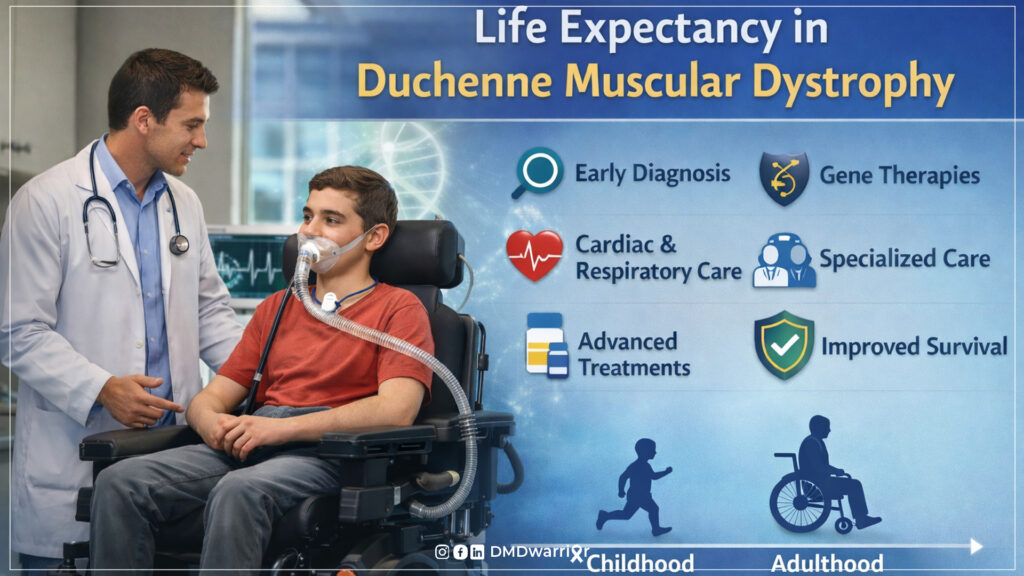
Life Expectancy life expectancy in duchenne muscular dystrophy has improved substantially over the past two decades. Historically, individuals with DMD often lived into their late teens or early twenties. With current standards of care, many patients now live into their late 20s or 30s, and some reach their 40s.
Why Life Expectancy Has Improved
- Early diagnosis and genetic testing
- Multidisciplinary care approaches
- Advances in respiratory | cardiac management
- Widespread use of corticosteroids
- Emerging gene therapies | exon-skipping treatments
Life Expectancy by Age and Disease Progression
Early Childhood (Ages 2–10)
Symptoms such as delayed walking, muscle weakness, and frequent falls typically appear. At this stage, early intervention does not directly extend lifespan immediately but plays a crucial role in long-term outcomes.
Adolescence (Ages 10–18)
Loss of ambulation usually occurs during this period. Monitoring respiratory function and cardiac health becomes essential. Proper care during adolescence significantly influences Life Expectancy life expectancy in duchenne muscular dystrophy.
Early Adulthood (18–30)
Respiratory insufficiency and cardiomyopathy become more prominent. Non-invasive ventilation and cardiac medications can significantly extend survival.
Adulthood (30+)
With advanced care, more individuals are living beyond 30. Long-term survival depends on consistent monitoring and access to specialized treatment.
How Treatment Impacts Life Expectancy in Duchenne Muscular Dystrophy
Corticosteroid Therapy
Steroids such as prednisone and deflazacort help slow muscle degeneration, prolong ambulation, and delay complications.
Cardiac Management
Cardiomyopathy is a leading cause of mortality in DMD. ACE inhibitors, beta-blockers, and regular cardiac imaging improve survival outcomes.
Respiratory Support
Non-invasive ventilation (BiPAP) and cough assist devices significantly increase Life Expectancy life expectancy in duchenne muscular dystrophy by reducing respiratory complications.
Gene Therapy and Emerging Treatments
New therapies targeting the dystrophin gene are reshaping the future of DMD care.
Early Intervention Advantage
Early initiation of treatment leads to better long-term outcomes and improved survival rates.
Why Nutrition Matters in DMD
Nutrition is a core modifier of outcomes in Duchenne muscular dystrophy and plays a measurable role in life expectancy in Duchenne muscular dystrophy. While it does not halt the genetic cause of DMD, it directly influences muscle preservation, immune resilience, bone integrity, and cardiopulmonary function—key determinants of survival. Learn More: Nutrition in DMD
DMD is characterized by progressive muscle degeneration and increased metabolic stress. Inadequate nutrition accelerates muscle wasting, weakens respiratory muscles, and increases susceptibility to infections. Conversely, targeted nutritional strategies help stabilize weight, reduce complications, and support overall function. Learn More: Nutraceuticals for DMD
Key Factors That Influence Life Expectancy
- Timing of diagnosis
- Access to specialized neuromuscular care
- Adherence to treatment plans
- Genetic mutation type
- Socioeconomic and healthcare access factors
Future Outlook for Duchenne Muscular Dystrophy Life Expectancy
Ongoing research and clinical trials continue to improve outcomes. Advances in gene therapy, personalized medicine, and improved standards of care are expected to further extend life expectancy in duchenne muscular dystrophy in the coming years.
FAQ: Life Expectancy in DMD
What is the life expectancy of a person with Duchenne muscular dystrophy?
The Life Expectancy life expectancy in duchenne muscular dystrophy has improved significantly. Many individuals now live into their late 20s or 30s, and with advanced care, some reach their 40s.
Can people with Duchenne muscular dystrophy live into adulthood?
Yes. With modern medical care, including respiratory support and cardiac management, most individuals with DMD now survive into adulthood, improving overall life expectancy.
What factors affect life expectancy in Duchenne muscular dystrophy?
Key factors include early diagnosis, access to multidisciplinary care, cardiac and respiratory management, treatment adherence, and genetic mutation type.
Does treatment improve life expectancy in Duchenne muscular dystrophy?
Yes. Treatments such as corticosteroids, ventilatory support, and cardiac medications significantly improve survival and quality of life.
What is the main cause of death in Duchenne muscular dystrophy?
The most common causes are respiratory failure and cardiomyopathy, both of which can be managed more effectively with early intervention.
Does gene therapy increase life expectancy in Duchenne muscular dystrophy?
Gene therapy is still evolving, but early evidence suggests it may slow disease progression and potentially improve long-term outcomes.
How long can someone live with Duchenne muscular dystrophy today?
With modern standards of care, many individuals live into their 30s, and some into their 40s, especially with early and consistent treatment.
At what age do Duchenne symptoms begin?
Symptoms typically begin between ages 2 and 5, including muscle weakness, delayed walking, and frequent falls.
Can Duchenne muscular dystrophy be cured?
Currently, there is no complete cure, but treatments and emerging gene therapies are improving outcomes and slowing progression.
How does ventilation affect life expectancy in DMD?
Non-invasive ventilation significantly extends life expectancy by supporting breathing and preventing respiratory complications. Learn More: Bipap
Is Duchenne muscular dystrophy always fatal?
DMD remains a serious condition, but life expectancy continues to improve, and many patients now live longer with proper care.
Learn More: PubMED
Final Thoughts
Life Expectancy life expectancy in duchenne muscular dystrophy has improved significantly in recent years. Early diagnosis plays a critical role in long-term outcomes. Access to specialized care can extend survival. Cardiac and respiratory management are essential. Modern treatments are changing the disease course. Gene therapies offer new hope for the future. Multidisciplinary care improves quality of life. Families should stay informed about new developments. Consistent monitoring helps prevent complications. With ongoing advances, life expectancy continues to improve.
Follow This Page >>> All Clinical Trials for Duchenne