

Duchenne muscular dystrophy (DMD) is a progressive genetic disorder that primarily affects muscle strength and function. While much of the focus is placed on mobility, respiratory, and cardiac health, oral health is an important too — yet often overlooked — aspect of comprehensive care.
This article explores how Duchenne affects dental health, why children with DMD face unique oral challenges, and how dental care and check-ups should be adapted to ensure safety, comfort, and long-term oral health.
Table of Contents
Understanding Duchenne Muscular Dystrophy and Its Impact on the Body
DMD is characterized by progressive muscle degeneration due to the absence of dystrophin, a protein essential for muscle stability. Over time, muscle weakness affects the limbs, trunk, respiratory system, and heart.

However, facial muscles, chewing muscles, and swallowing muscles are also affected. These changes can significantly influence dental development, oral hygiene ability, and overall oral health.
How Does Duchenne Affect Dental Health?
Children with DMD may experience several dental and oral health complications. These are primarily related to muscle weakness, delayed motor function, and structural changes in the jaw and face.
Weakness of Facial and Oral Muscles
As DMD progresses, weakness affects:
- Lips
- Cheeks
- Tongue
- Jaw muscles
This can result in:
- Difficulty chewing food thoroughly
- Food retention in the cheeks
- Difficulty clearing food debris
- Increased plaque accumulation
When food and plaque are not effectively removed, the risk of tooth decay and gum disease increases significantly.
Malocclusion and Jaw Development Issues
Children with Duchenne often develop:
- Open bite
- Crossbite
- Enlarged tongue (macroglossia appearance)
- High-arched palate
Muscle imbalance can alter the growth pattern of the upper and lower jaws. Over time, this may cause:
- Crowding of teeth
- Misaligned bite
- Difficulty chewing
Orthodontic issues are common and may require early evaluation.
Increased Risk of Dental Caries (Tooth Decay)
Several factors contribute to higher cavity risk:
- Prolonged mealtimes
- Soft or high-calorie diets
- Difficulty brushing effectively (Once the arms start to become weak, thorough brushing and flossing becomes harder.)
- Dependence on caregivers for oral hygiene
Some children may also take medications that reduce saliva flow, which further increases cavity risk.
Periodontal (Gum) Disease
Muscle weakness makes thorough brushing and flossing difficult. As a result:
- Plaque buildup increases
- Gums may become inflamed
- Bleeding during brushing may occur
Without proper care, this can progress to gum disease.
Swallowing Difficulties (Dysphagia)
As DMD advances, swallowing may become less efficient. This can lead to:
- Food pooling in the mouth
- Increased bacterial growth
- Risk of aspiration during dental procedures
Dental professionals must be aware of this risk.
Enamel and Tooth Wear Concerns
Bruxism (teeth grinding) may occur in some children with DMD, contributing to enamel wear. Additionally, weak chewing patterns can affect how teeth wear over time.
How Should Dental Care and Check-Ups Be Performed for a Child with DMD?
Children with Duchenne require a preventive, coordinated, and individualized dental care plan. The approach should focus on prevention, comfort, and safety.
Early and Preventive Dental Visits
Dental visits should begin:
- By age 1 or within 6 months of the first tooth erupting
- With regular check-ups every 3–6 months
Frequent visits allow:
- Early cavity detection
- Monitoring of jaw development
- Preventive fluoride treatments
- Sealant placement
Prevention is far easier than complex treatment later.
Choosing the Right Dental Setting
As mobility decreases, accessibility becomes crucial. Look for:
- Wheelchair-accessible dental offices
- Adjustable dental chairs
- Dentists experienced with special healthcare needs
Some children may eventually require hospital-based dentistry for complex procedures.
Safe Positioning During Dental Treatment
Children with DMD may have:
- Limited neck strength
- Scoliosis
- Respiratory compromise
The dental team should:
- Avoid fully supine positioning if breathing is affected
- Use supportive cushions
- Allow breaks during treatment
- Monitor oxygen levels if necessary
Positioning must always prioritize airway safety.
Anesthesia and Sedation Considerations
This is a critical issue.
Children with Duchenne are at increased risk of complications with:
- General anesthesia
- Certain sedatives
- Muscle relaxants
Important precautions:
- The dentist must consult the child’s neurologist and cardiologist
- Cardiac status should be evaluated before sedation
- Hospital-based anesthesia may be safer for major procedures
Never assume routine sedation is safe without medical clearance.
Modified At-Home Oral Hygiene Routine
Daily care is essential.
Toothbrushing Tips
- Use an electric toothbrush for better plaque removal
- Caregiver assistance is often necessary
- Brush twice daily with fluoride toothpaste
- Consider a small-headed brush for comfort
Flossing Alternatives
If traditional flossing is difficult:
- Use floss holders
- Try water flossers (if tolerated)
Fluoride and Preventive Measures
Children with DMD benefit from:
- Professional fluoride applications
- Prescription-strength fluoride toothpaste (if recommended)
- Dental sealants on molars
These significantly reduce cavity risk.
Dietary Counseling
Because many children with DMD consume:
- Soft foods
- Calorie-dense foods
- Frequent snacks
Dental professionals should provide tailored dietary advice to minimize sugar exposure while supporting nutritional needs.
Orthodontic Monitoring
Early orthodontic assessment can help:
- Manage developing malocclusion
- Prevent severe bite problems
- Improve chewing efficiency
However, treatment must be carefully weighed against comfort and medical complexity.
Building a Collaborative Care Team
Optimal dental care for a child with DMD involves coordination between:
- Dentist
- Pediatrician
- Neurologist
- Cardiologist
- Caregivers
Communication ensures that dental treatment aligns with the child’s overall medical condition.
Frequently Asked Questions (FAQ)
Are children with Duchenne more prone to cavities?
Yes. Muscle weakness, difficulty brushing, soft diets, and prolonged mealtimes all increase the risk of tooth decay.
Can a child with DMD safely receive general anesthesia for dental work?
It depends. Children with DMD have increased anesthesia risks, especially related to cardiac and respiratory function. A thorough medical evaluation and specialist consultation are required before any sedation or general anesthesia. Read More: Surgery Under Anesthesia in Duchenne
Is it safe to use local anesthesia during dental treatment for DMD patients?
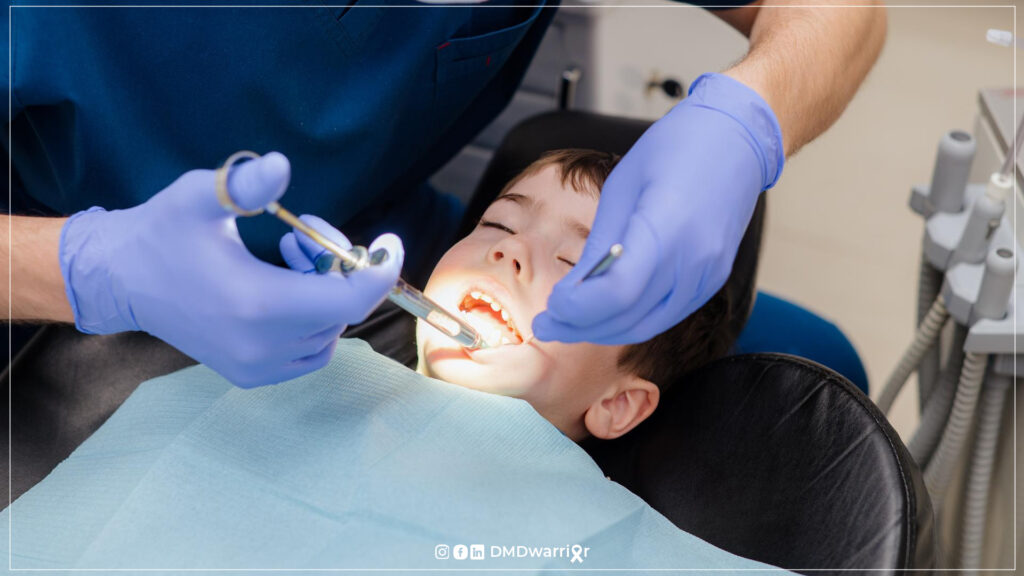
In many dental procedures, local anesthetics are often given via injection. Commonly used anesthetics include Novocaine or Lidocaine. Local anesthetics are considered safe for use in Duchenne.
How often should a child with Duchenne see a dentist?
Typically every 3–6 months. More frequent visits may be recommended if cavity risk is high.
Is orthodontic treatment recommended for children with DMD?
In some cases, yes — especially to improve function or comfort. However, treatment decisions must consider disease progression and overall health status.
What is the best toothbrush for a child with Duchenne?
An electric toothbrush with a small head is often ideal. It improves plaque removal and requires less manual dexterity.
Can swallowing problems affect dental care?
Yes. Dysphagia increases the risk of aspiration during procedures and allows food debris to remain in the mouth longer. Dentists must adapt positioning and suction techniques accordingly.
Should dental treatment be avoided in advanced DMD?
No — but it should be modified. Preventive care becomes even more important as mobility decreases. Complex procedures may need hospital settings.
Final Thoughts
Duchenne muscular dystrophy affects far more than skeletal muscle — it significantly impacts oral health, dental development, and daily hygiene routines. With early preventive care, tailored dental strategies, and strong collaboration between healthcare providers, children with DMD can maintain healthy teeth and gums throughout their lives.
Proactive, compassionate, and medically informed dental care makes all the difference.