
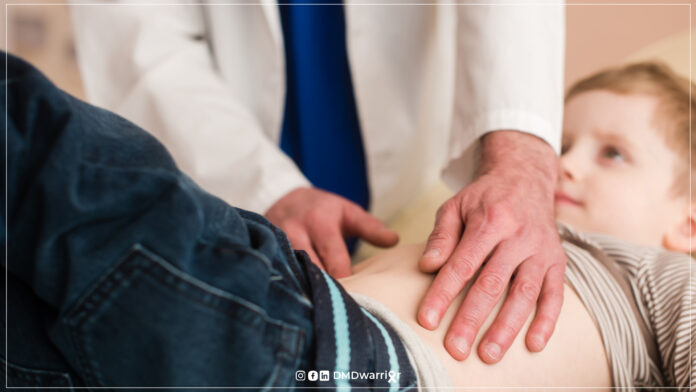
Constipation in Duchenne muscular dystrophy (DMD) is a common but often under-recognized complication that significantly affects quality of life. Gastrointestinal dysfunction, including chronic constipation (Sluggish Bowel), bowel motility issues, and abdominal discomfort, frequently develops as the disease progresses. Understanding constipation in Duchenne muscular dystrophy, its causes, symptoms, and management strategies is essential for caregivers, clinicians, and patients aiming to optimize long-term care outcomes.
Table of Contents
Understanding Duchenne Muscular Dystrophy and Gastrointestinal Involvement
What is Duchenne Muscular Dystrophy?
Duchenne muscular dystrophy (DMD) is an X-linked recessive disorder caused by mutations in the dystrophin gene. It leads to progressive muscle degeneration, affecting skeletal, cardiac, and smooth muscles. Read More: What is Duchenne?
Why Constipation Occurs in DMD
Constipation in Duchenne muscular dystrophy is multifactorial:

- Smooth muscle dysfunction: Lack of dystrophin affects intestinal motility
- Reduced mobility: Physical inactivity slows bowel movement
- Respiratory muscle weakness: Impairs abdominal pressure needed for defecation
- Medication side effects: Corticosteroids and opioids may worsen constipation
- Dietary limitations: Low fiber and inadequate hydration
Several studies have shown that gastrointestinal complications are prevalent in DMD patients, with constipation being one of the most frequently reported symptoms (Pane et al., 2018; Martigne et al., 2010).
Symptoms of Constipation in Duchenne Muscular Dystrophy
Common Clinical Signs
Constipation in Duchenne muscular dystrophy may present with:
- Infrequent bowel movements (less than 3 per week)
- Hard, dry stools
- Abdominal bloating or pain
- Straining during defecation
- Sensation of incomplete evacuation
Severe Complications
If untreated, constipation can lead to:
- Fecal impaction
- Intestinal obstruction
- Megacolon
- Increased discomfort affecting respiratory function
A study published in Neuromuscular Disorders Journal highlights that delayed gastrointestinal transit time is common in advanced DMD cases.
Pathophysiology: Why Constipation is Common in DMD
Smooth Muscle Degeneration
Although DMD primarily affects skeletal muscles, dystrophin is also present in smooth muscles of the gastrointestinal tract. Its absence leads to:
- Reduced peristalsis
- Delayed colonic transit
- Impaired coordination of bowel movements
Neurological Factors
Enteric nervous system involvement may further disrupt gut motility, contributing to chronic constipation in Duchenne muscular dystrophy.
Impact of Wheelchair Dependence
Loss of ambulation significantly reduces mechanical stimulation of the intestines, worsening bowel function. Learn More: Power Wheelchair in DMD
Risk Factors for Constipation in Duchenne Muscular Dystrophy
Patient-Related Factors
- Advanced disease stage
- Reduced physical activity
- Poor dietary intake
- Dehydration
Treatment-Related Factors
- Long-term corticosteroid use
- Analgesics (especially opioids)
- Anticholinergic medications
Environmental and Behavioral Factors
- Irregular toileting schedules
- Psychological stress
- Limited access to adapted bathroom facilities
Diagnosis and Clinical Evaluation
Medical History and Symptom Tracking
Accurate diagnosis of constipation in Duchenne muscular dystrophy requires:
- Detailed bowel history
- Stool frequency and consistency tracking (e.g., Bristol Stool Chart)
- Medication review
Diagnostic Tests
- Abdominal X-ray (for fecal impaction)
- Colonic transit studies
- Anorectal manometry (in complex cases)
Clinical guidelines emphasize early recognition and proactive management to prevent complications.
Management of Constipation in Duchenne Muscular Dystrophy
Lifestyle and Dietary Interventions
Increasing Fiber Intake
- Fruits: apples, pears, berries
- Vegetables: broccoli, spinach
- Whole grains
Hydration
Adequate fluid intake is essential to soften stools and promote bowel movement.
Scheduled Toileting
Establishing a routine improves bowel regularity.
Pharmacological Treatments
Osmotic Laxatives
- Polyethylene glycol (PEG) (Miralax)
- Lactulose
These increase water content in stool.
Stool Softeners
- Docusate Sodium (Senokot)
Often used as adjunct therapy.
Advanced Therapies
- Rectal suppositories or enemas (for acute management)
- Prokinetic agents (in selected cases)
Clinical studies suggest that PEG-based regimens are highly effective and safe for long-term use in neuromuscular disorders (Candy et al., 2006).
Role of Multidisciplinary Care
Effective management of constipation in Duchenne muscular dystrophy requires a team approach:
- Neurologists
- Gastroenterologists
- Dietitians
- Physiotherapists
This ensures comprehensive care addressing both neuromuscular and gastrointestinal aspects.
Learn More: Multidisciplinary Care in DMD
Prevention Strategies
Early Intervention
Starting preventive measures early in the disease course can significantly reduce complications.
Regular Monitoring
Routine assessment of bowel habits should be integrated into DMD care protocols.
Caregiver Education
Training caregivers to recognize early signs of constipation is critical.
Impact on Quality of Life
Constipation in Duchenne muscular dystrophy is not just a physical issue—it affects:
- Emotional well-being
- Sleep quality
- Social participation
Addressing it proactively improves overall patient outcomes.
Future Directions in Treatment
- Microbiome-targeted therapies
- Personalized nutrition plans
- Novel prokinetic drugs
These innovations may transform how constipation in Duchenne muscular dystrophy is managed.
Frequently Asked Questions (FAQ)
What causes constipation in Duchenne muscular dystrophy?
Constipation in Duchenne muscular dystrophy is mainly caused by reduced intestinal motility due to lack of dystrophin in smooth muscles. Limited mobility, weak abdominal muscles, dehydration, and medications such as corticosteroids also contribute. These factors slow stool movement through the colon, leading to chronic constipation.
How common is constipation in Duchenne patients?
Constipation in Duchenne muscular dystrophy is very common, especially as the disease progresses. Studies show that a significant percentage of patients develop gastrointestinal complications, with constipation being one of the most frequently reported issues due to declining muscle function and reduced physical activity.
What are the early signs of constipation in DMD?
Early signs include fewer than three bowel movements per week, hard or dry stools, straining during defecation, and abdominal discomfort. Recognizing these symptoms early allows for timely intervention and helps prevent complications such as fecal impaction.
How can constipation in Duchenne muscular dystrophy be treated?
Treatment typically includes increasing fluid intake, adding fiber-rich foods, and establishing regular toileting routines. If needed, doctors may recommend osmotic laxatives like polyethylene glycol or stool softeners. Treatment plans should always be individualized and supervised by healthcare professionals.
What foods help relieve constipation in DMD?
High-fiber foods such as fruits (apples, pears), vegetables (broccoli, spinach), legumes, and whole grains help improve bowel movements. Adequate hydration is equally important, as fiber works best when combined with sufficient fluid intake to soften stools.
Can medications worsen constipation in Duchenne patients?
Yes, certain medications can worsen constipation in Duchenne muscular dystrophy. Corticosteroids, opioids, and anticholinergic drugs may slow bowel motility or harden stools. Regular monitoring and medication review with a physician can help minimize these effects.
When should families seek medical help for constipation?
Medical attention is necessary if constipation persists despite treatment, or if symptoms such as severe abdominal pain, vomiting, or no bowel movement for several days occur. These may indicate serious complications like bowel obstruction or fecal impaction.
Can constipation in Duchenne muscular dystrophy be prevented?
While it may not always be fully preventable, constipation in Duchenne muscular dystrophy can often be reduced with proactive care. Maintaining hydration, a balanced diet, regular bowel routines, and early use of supportive treatments significantly lowers the risk and severity.
Final Thoughts
Constipation in Duchenne muscular dystrophy is common but manageable with early care. Understanding gut motility issues helps guide better treatment decisions. Consistent hydration, fiber intake, and routine support bowel health. Medications can be effective when tailored to individual needs. Monitoring symptoms prevents serious complications over time. Multidisciplinary care improves outcomes and patient comfort. Caregivers play a key role in daily management strategies. Evidence-based approaches ensure safer, more reliable results. Ongoing research may offer new solutions for DMD-related constipation. Proactive management significantly enhances quality of life.
Academic Sources and References
Key Studies
- Pane et al., 2018: Identified gastrointestinal dysfunction as a major non-motor complication in DMD
- Martigne et al., 2010: Reported delayed gastric emptying and colonic transit
- Lo Cascio et al., 2019: Highlighted smooth muscle involvement in DMD pathology
Emerging research is exploring gut microbiota alterations in DMD and their role in constipation.