

Prenatal testing for Duchenne Muscular Dystrophy (DMD) helps expectant parents understand whether their unborn baby has inherited this serious genetic condition. Duchenne muscular dystrophy is a rare, progressive muscle disorder that primarily affects boys and leads to muscle weakness beginning in early childhood.
If you have a family history of DMD or are known to be a carrier of the DMD gene mutation, prenatal testing can provide important information early in pregnancy. This article explains what prenatal DMD testing involves, including chorionic villus sampling (CVS) and amniocentesis, how these procedures are performed, and their potential risks.
Table of Contents
Understanding Duchenne Muscular Dystrophy (DMD)
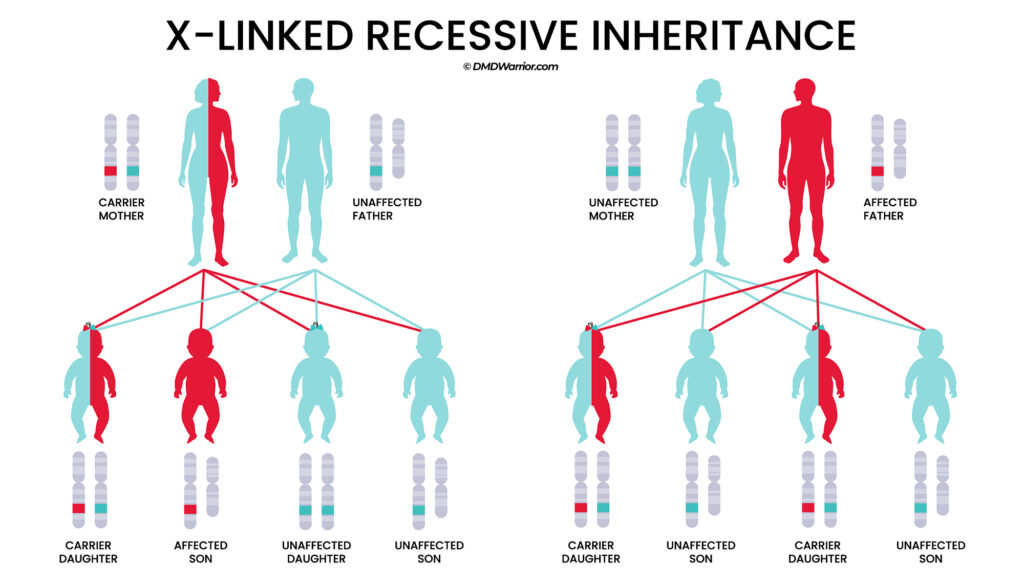
DMD is caused by mutations in the dystrophin gene located on the X chromosome. Because it is inherited in an X-linked recessive pattern:
- Boys (who have one X chromosome) are more commonly affected.
- Girls (who have two X chromosomes) may be carriers and usually have milder or no symptoms.
Symptoms typically begin between ages 2 and 5 and may include:
- Delayed walking
- Frequent falls
- Difficulty climbing stairs
- Progressive muscle weakness
Since DMD is genetic, prenatal testing focuses on detecting mutations in the dystrophin gene before birth.
Who Should Consider Prenatal DMD Testing?
Prenatal testing may be recommended if:
- The mother is a confirmed carrier of a DMD mutation.
- There is a family history of DMD.
- A previous child has been diagnosed with DMD.
- Carrier screening during pregnancy indicates increased risk.
A genetic counselor can help assess your risk and guide you through testing options.
Chorionic Villus Sampling (CVS)
What Is CVS?
Chorionic villus sampling (CVS) is a prenatal diagnostic procedure performed typically between 10 and 13 weeks of pregnancy. It involves collecting a small sample of placental tissue (chorionic villi) to analyze the baby’s genetic material.
How Is CVS Performed?
There are two methods:
- Transcervical CVS – A thin catheter is inserted through the cervix to reach the placenta.
- Transabdominal CVS – A thin needle is inserted through the abdominal wall into the placenta.
Both methods are guided by ultrasound to ensure accuracy and safety. The collected tissue is tested for specific genetic mutations, including mutations in the dystrophin gene linked to DMD.
Risks of CVS
Although CVS is generally safe, it carries some risks:
- Miscarriage risk: Approximately 0.2%–0.3% above baseline risk (varies by provider and center).
- Cramping or spotting
- Infection (rare)
- Rh sensitization (preventable with medication if needed)
CVS provides earlier results than amniocentesis, which may allow for earlier decision-making.
Amniocentesis
What Is Amniocentesis?
Amniocentesis is another prenatal diagnostic test typically performed between 15 and 20 weeks of pregnancy. It involves collecting a sample of amniotic fluid, which contains fetal cells that can be tested for genetic conditions such as DMD.
How Is Amniocentesis Performed?
- A thin needle is inserted through the abdominal wall into the uterus.
- Ultrasound guidance is used to avoid the baby and placenta.
- A small amount of amniotic fluid is withdrawn for laboratory analysis.
The fetal DNA in the fluid is tested for mutations in the dystrophin gene.
Risks of Amniocentesis
Amniocentesis also carries some risks:
- Miscarriage risk: Approximately 0.1%–0.3% above baseline risk.
- Mild cramping
- Leakage of amniotic fluid (rare)
- Infection (rare)
While performed later than CVS, amniocentesis has a long history of use and is widely considered safe when performed by experienced providers.
CVS vs. Amniocentesis for DMD Testing
| Feature | CVS | Amniocentesis |
|---|---|---|
| Timing | 10–13 weeks | 15–20 weeks |
| Sample Type | Placental tissue | Amniotic fluid |
| Results Available | Earlier | Later |
| Miscarriage Risk | Slightly higher | Slightly lower |
Both tests are diagnostic, meaning they can provide a definitive answer about whether the fetus has inherited the DMD mutation (if the familial mutation is known).
The Role of Genetic Counseling
Before undergoing prenatal DMD testing, genetic counseling is strongly recommended. A genetic counselor can:
- Confirm carrier status
- Explain inheritance patterns
- Discuss testing options and timing
- Review potential risks and outcomes
- Provide emotional support
This helps families make informed, confident decisions.
Faculty of Questions and Answers (FAQ) About Prenatal DMD Testing
Which pregnant women should get prenatal testing for Duchenne (DMD)?
Routine DMD testing is not recommended for all pregnancies. It is typically offered to women with known carrier status or family history.
Is prenatal testing for DMD mandatory?
No. Prenatal testing is entirely optional. It is a personal decision based on medical history, beliefs, and individual preferences.
Who should get tested for DMD genes before birth?
If you have a relative in your family who carries the DMD gene, meaning their child has been diagnosed with DMD, it would be beneficial to get prenatal testing.
How accurate are CVS and amniocentesis for detecting DMD?
When the specific DMD mutation in the family is known, both tests are highly accurate (over 99%) for detecting that mutation.
Can prenatal testing determine how severe DMD will be?
Not usually. While genetic testing confirms the presence of a mutation, predicting exact disease severity can be difficult.
What happens if the test shows the baby has DMD?
Parents may choose to:
• Continue the pregnancy with early medical planning.
• Prepare for specialized care after birth.
• Discuss additional options with healthcare providers.
Is non-invasive prenatal testing (NIPT) available for DMD?
Research is ongoing, and in some specialized centers, non-invasive prenatal testing may screen for certain single-gene disorders. However, CVS and amniocentesis remain the gold standard for definitive DMD diagnosis.
Does prenatal testing pose a risk to the baby?
There is a small miscarriage risk associated with both CVS and amniocentesis. Your healthcare provider can explain your specific risk based on their experience and your pregnancy.
Final Thoughts
Prenatal testing for Duchenne Muscular Dystrophy (DMD) provides families with critical information early in pregnancy. Procedures such as chorionic villus sampling (CVS) and amniocentesis can accurately detect DMD when a known mutation exists in the family.
Because these tests carry small risks, the decision to proceed should be made carefully with guidance from a healthcare provider and genetic counselor. For families at risk, prenatal DMD testing can offer clarity, preparation, and informed choice during pregnancy.
Learn More: How do I Know if My Child has Muscular Dystrophy?