
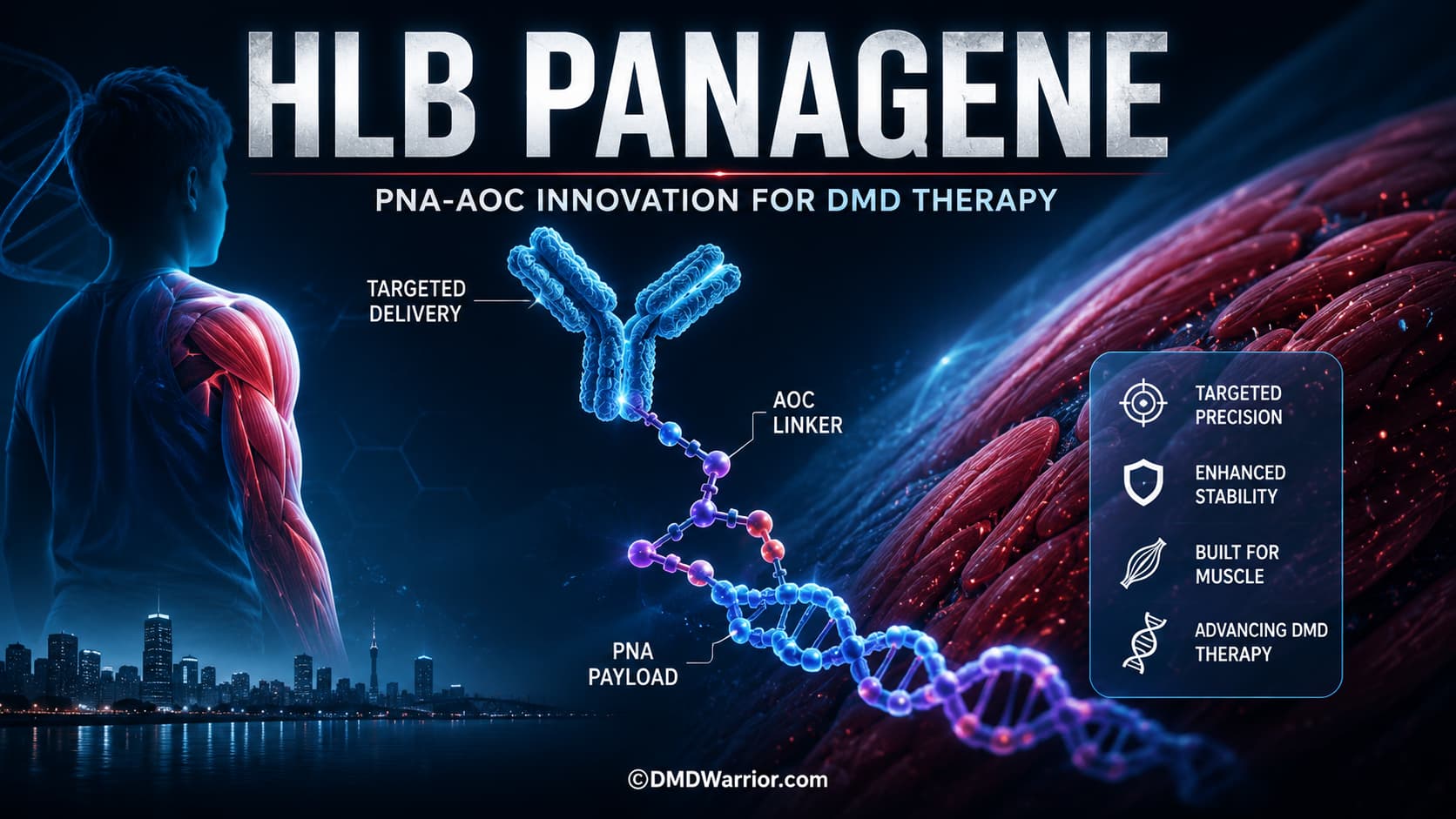
Мышечная дистрофия Дюшенна (МДД) остается серьезной проблемой для разработчиков лекарств, поскольку многие терапевтические подходы не обеспечивают доставку достаточного количества препарата в скелетные и сердечные мышцы при сохранении приемлемого профиля безопасности. На этом фоне южнокорейская биотехнологическая компания HLB Panagene изучает другую стратегию, основанную на платформе конъюгатов антитело-олигонуклеотид (AOC) на основе пептидной нуклеиновой кислоты (PNA).
AOC — это новый терапевтический метод, основанный на концепции конъюгатов антител с лекарственными препаратами (ADC). Вместо переноса обычного цитотоксического препарата, AOC использует антитело для доставки терапевтического груза на основе нуклеиновых кислот в определенные клетки. Цель состоит в том, чтобы объединить способность антител к таргетной терапии со способностью нуклеиновых кислот регулировать экспрессию генов.
Одной из главных проблем при разработке терапевтических препаратов на основе нуклеиновых кислот является их доставка. Эти молекулы, как правило, обладают ограниченной способностью проникать через клеточные мембраны. Даже при проникновении в клетки с помощью антител, они могут задерживаться в эндосомах или разрушаться, не достигнув своей целевой внутриклеточной цели. Компания HLB Panagene считает, что PNA может помочь преодолеть некоторые из этих ограничений благодаря своей структурной стабильности и сильным характеристикам связывания с целевым белком.
Компания выбрала мышечную дистрофию Дюшенна (МДД) в качестве первого показания для проверки своей платформы PNA-AOC. Этот подход особенно актуален для терапии с пропуском экзонов, где олигонуклеотид предназначен для модификации обработки пре-мРНК дистрофина и позволяет клеткам производить более короткий, но потенциально функциональный белок дистрофин. Компания HLB Panagene разрабатывает архитектуру AOC, предназначенную для улучшения доставки PNA с пропуском экзонов в мышечную ткань. Согласно сообщениям экспертов отрасли, в рамках стратегии доставки препарата изучается возможность использования антитела к рецептору трансферрина 1 (TfR1), а доклинические исследования, подтверждающие концепцию, запланированы на 2026 год.
Данная стратегия разработана в связи с тем, что ряд существующих терапевтических подходов к лечению мышечной дистрофии Дюшенна столкнулись с ограничениями, связанными с эффективностью, способом применения или безопасностью. Другие компании также разрабатывают технологии адресной доставки олигонуклеотидов, включая программы на основе AOC, что свидетельствует о том, что эффективность доставки стала одним из главных направлений в разработке лекарств от мышечной дистрофии Дюшенна следующего поколения.
| Подход | Полезная нагрузка | Стратегия доставки | Цель DMD | Этап разработки |
|---|---|---|---|---|
| Традиционный пропуск экзонов | ОУП | Системный | Специфические экзоны | Одобренный |
| подход AOC | Олигонуклеотид | опосредованный антителами | Мышца | Клиническая разработка |
| ПНА-АОК | ПНА | опосредованный антителами | Мышца | Ранние/доклинические исследования |
| Генная терапия | Микродистрофин | ААВ | Широкая мышца | Клинически одобрено/проверено в зависимости от продукта |
Однако программа PNA-AOC для HLB Panagene находится на ранней стадии разработки. В настоящее время не существует одобренной терапии PNA-AOC для лечения мышечной дистрофии Дюшенна, и подход компании еще должен продемонстрировать эффективную доставку препарата в мышцы, активность пропуска экзонов, восстановление дистрофина, безопасность и, в конечном итоге, клиническую пользу в исследованиях на людях.
Поэтому для семей, столкнувшихся с мышечной дистрофией Дюшенна, PNA-AOC следует рассматривать не как доступное лечение, а как экспериментальную терапевтическую платформу, заслуживающую внимания. Его потенциальная значимость заключается в попытке решить одну из фундаментальных проблем, стоящих перед терапией нуклеиновыми кислотами: доставку нужной терапевтической молекулы в нужные мышечные клетки на эффективном и устойчивом уровне.
Узнайте сейчас: Клинические испытания DMD